

UA
EN
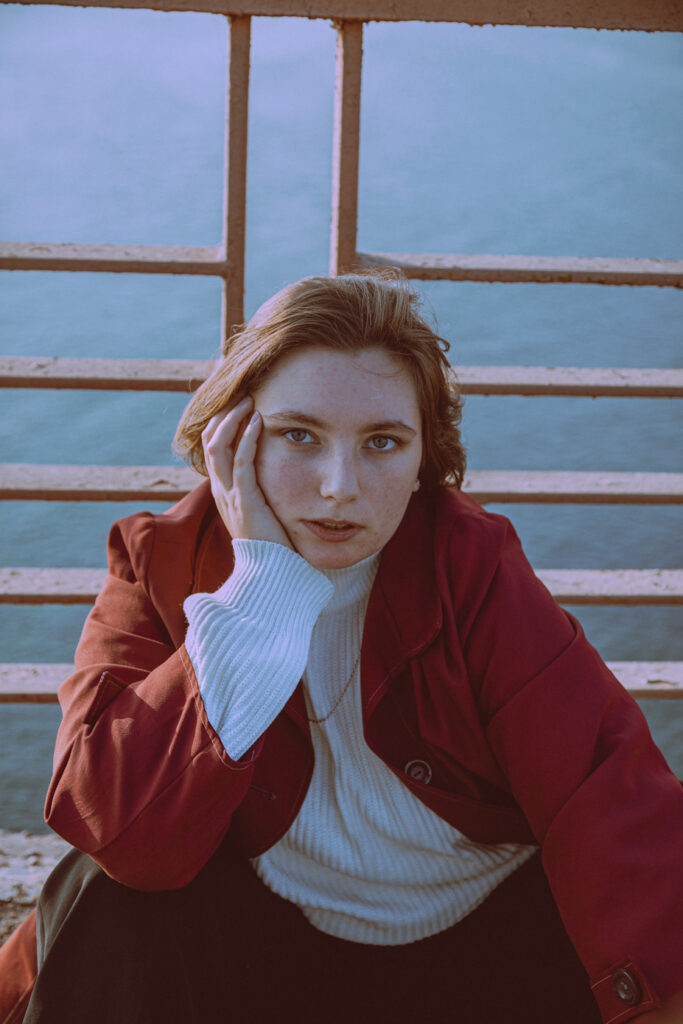
Маріє, познайомте читачів із собою.
Мені 26 років. Я народилася і жила в місті Херсоні. Навчалася на філологиню німецької та англійської мов в Херсонському національному технічному університеті. З 2021 року працюю фотографинею.
Як обирали першу професію?
У мене завжди був хист до мов, вони легко давалися, і я хотіла перекладати фільми, книги, серіали, тобто займатися творчим перекладом. Але не склалося. Після закінчення університету стикнулася з тим, що ринок творчого перекладу в Україні був замалий, і я не знайшла можливості в нього втиснутися.
Спробувала себе в якихось максимально звичайних роботах. Буквально за три місяці вигоріла у п’ятиденному графіку і поставила собі питання: а що робити далі? Дійшла думки, що треба спробувати фотографію. Вона мені завжди подобалася, але я ніколи не розглядала їй як спосіб заробітку або основну професію. І в якийсь момент вирішила, чому б не спробувати саме зараз.
Хоч нині спостерігаємо сплеск попиту на українській книжки, не впевнена, що повернулася б до перекладу. Бо навичка втратилася: мова, якою активно не користуєшся, швидко забувається. Стараюся підтримувати хоча б розмовний рівень англійської: у мене майже весь побутовий, розважальний, а також навчальний контент з фотографії у більшості англомовний. Спочатку так робила свідомо, тепер зрозуміла, що не так багато професійного контенту перекладено, тож читання англійською відкриває для мене набагато більший простір знань. Німецька, на жаль, доволі сильно забулася. Фотографія закрила потреби у самовираженні та в заробітку. І тому зараз складно уявити, щоб я повернулася знову в переклад.
Опановували мистецтво фотографії з нуля?
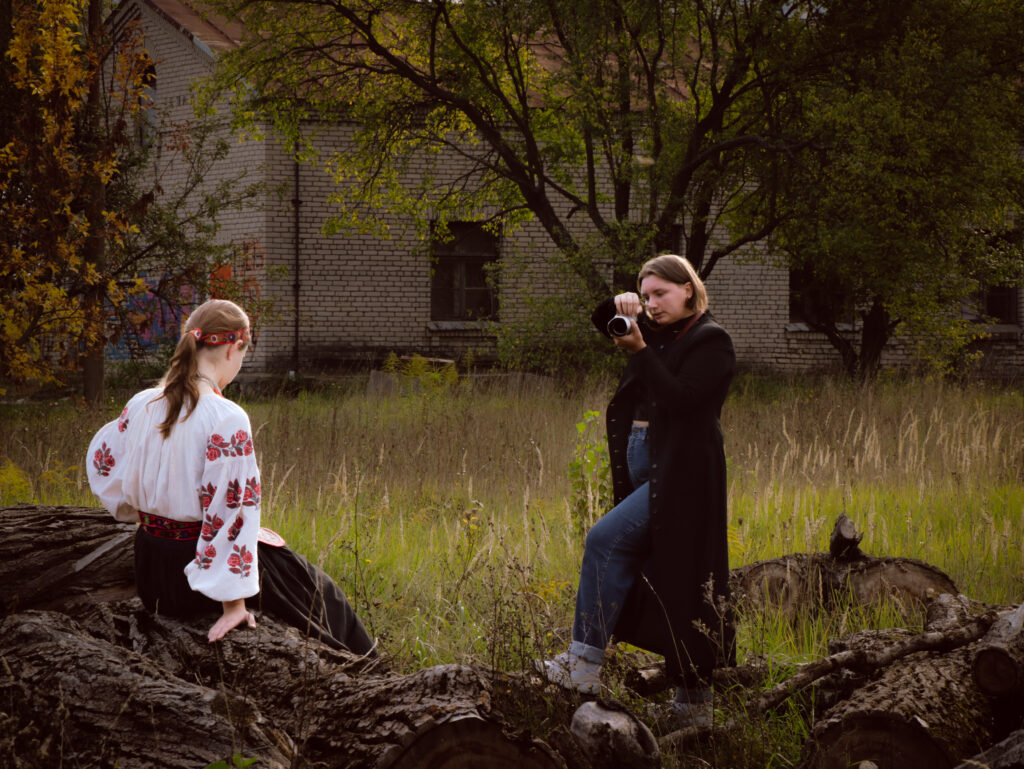
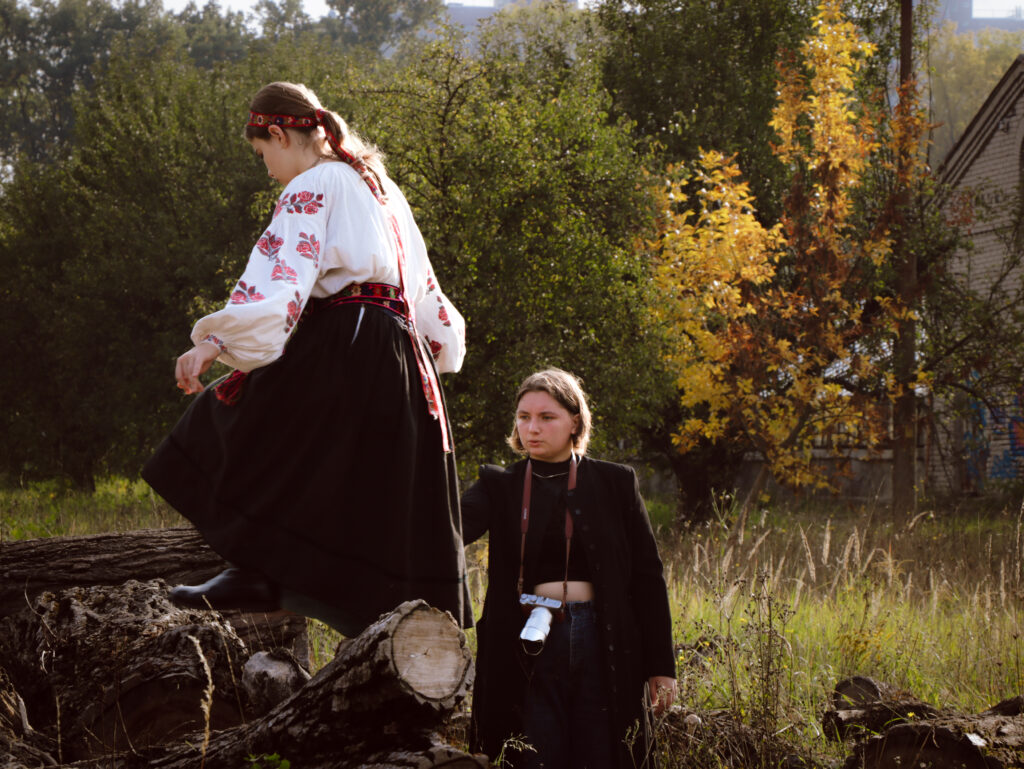
З фотографією я була пов’язана доволі давно. Це завжди було знімання на телефон. Ніколи ніякої фототехніки не мала аж до того часу, коли почала займатися цим на професійній основі.
У підлітковому віці і юності доволі багато знімала сама себе. Я була повнішою за своїх однолітків, тому мала проблеми з самооцінкою. Саме фотографія допомагала мені побачити себе красивою і нарешті сприйняти своє тіло. Це знання надалі допомогло з розумінням фотографувати інших жінок, які мали такі самі проблеми, як і я колись, бо я чітко розуміла, що вони відчувають і що фотографія може їм дати. Мені цікаво фотографувати жінку, розкривати тему любові до свого тіла, а також робити парні зйомки — фотографувати любов.
Перед зйомкою максимально проговорюю кожний аспект процесу, направляю людину в глибину своїх бажань і залюбки допомагаю визначитися, що саме вона хоче отримати. Під час зйомки намагаюся створити максимально комфортну і безпечну атмосферу, щоб людина не побоялася здатися смішною, неловкою, а навпаки розкрилася. Бо тільки коли відпускаєш контроль і довіряєшся — з’являються найкращі фотографії. Доволі часто ми з клієнтами розуміємо, що нам приємно спілкуватися і продовжуємо це робити й надалі.
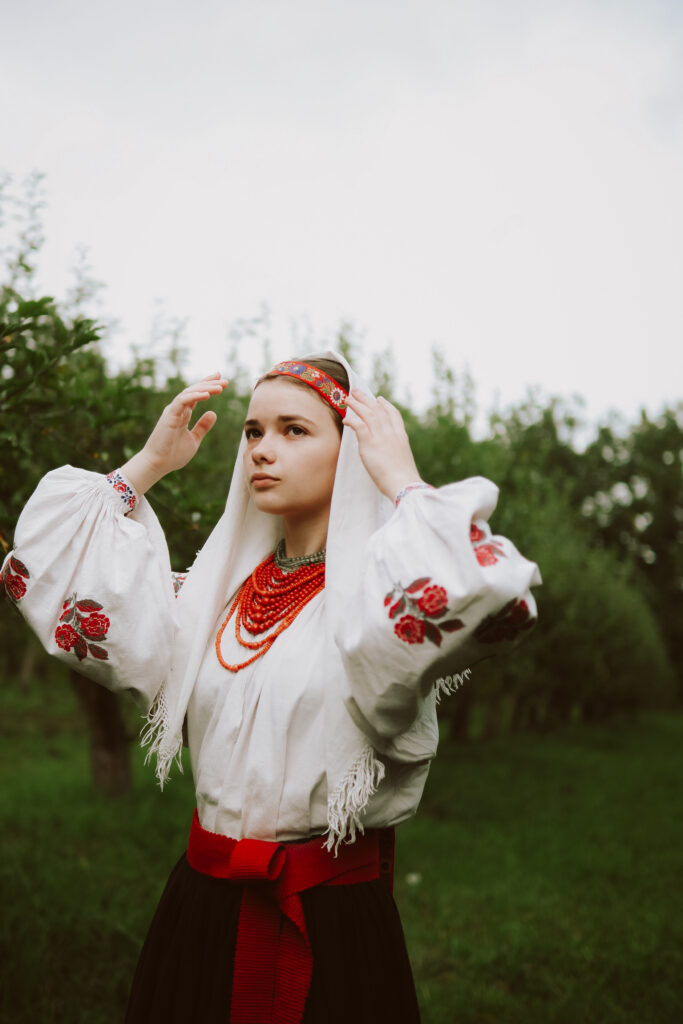
У вашому профілі написано, що ви — фотографиня. Це свідоме використання фемінітивів?
П’ять років тому, коли я закінчувала університет, моя дипломна робота називалася «Вживання фемінітивів в публіцистичних текстах української та німецької мов». Тож тему я досліджувала і вивчала ґрунтовно. Тоді вона тільки підіймалась на пік обговорення, викликала багато дискусій. Минуло декілька років — і я бачу, наскільки українцям легше вживати фемінітиви, наскільки вони стали комфортнішими для сприйняття.
Українська мова просто створена для фемінітивів: вони доволі легко утворюються, звучать просто прекрасно. Німецька мова ще більш позитивно налаштована до цієї категорії слів, які там вкорінені вже давно і вживаються у 100% випадків, принаймні в публіцистичних текстах. Вважаю, їх повсякденне вживання у мовленні — найкраще просування і цього мовного явища, і ролі та видимості жінки в суспільстві, в науці та в інших сферах життя.
У вас чудова українська. Ви говорили нею в Херсоні до 2022 року?
На жаль, ні. До повномасштабного вторгнення у Херсоні переважала кількість російськомовних людей, що було наслідком роботи російської пропаганди. Пам’ятаю, яким великим був спротив серед моїх знайомих, коли за законодавством українська мала звучати у сфері обслуговування. Зараз це більш ніж дивує, але тоді й мій погляд був замиленим, я теж була повністю російськомовна. Це зафіксувала моя сторінка в інстаграмі.
В окупації я продовжувала розмовляти російською, але листування та соцмережі вже свідомо вела українською. Почала говорити українською, вже коли ми виїхали з Херсона до Києва.
Ви починали свою діяльність до повномасштабного вторгнення і понад два роки працюєте в умовах широкомасштабної війни. Чи помітили зміни в людях?
Так, вони є. Раніше більшість жінок просили зробити їх на фото красивими, сексуальними. Зараз більшість запитів на те, щоб побачити себе такою, як є, природною. А також просто закарбувати себе на пам’ять, просто щоб залишилися фото, бо не знаєш, що буде завтра.


