

UA
EN
Мене звати Артем Комісарчук. Я ветеран Збройних сил України, важко поранений. Зараз перебуваю на реабілітації й адаптації до суспільства.
Почнімо з вашої особистої історії. Розкажіть, як давно ви у війську? Що трапилось? Як ви отримали поранення?
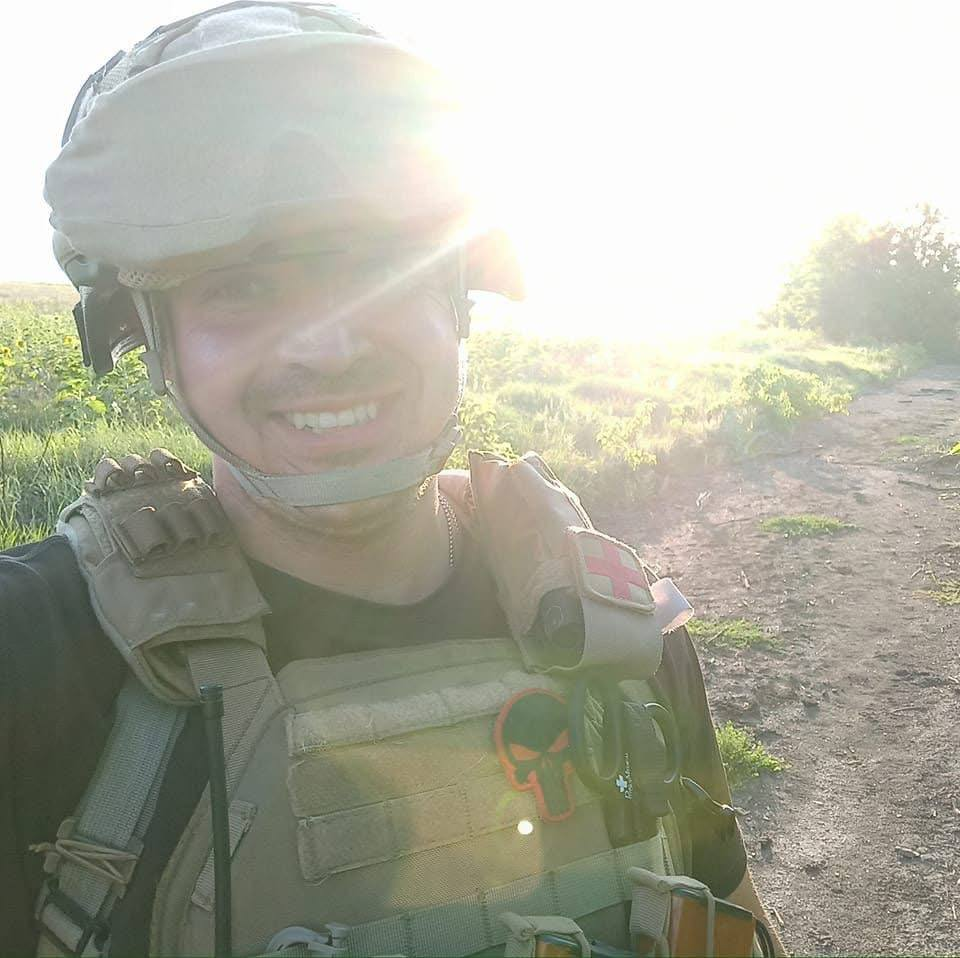
Трапилося 14 жовтня 2022 року. Це був харківський напрямок. Якраз йшов контрнаступ. Було відведено зону відповідальності – так званий ліс (ми його називали), лісосмуга, перед якою проходила залізна дорога. Також там, за залізною дорогою, розташовувалися російські війська. Спочатку спостерігали, не вступали в контакт. Потім командування прийшло, поставило задачу провести розвідку і, за можливості, вибити супротивника.
Мені була поставлена задача. Я проконсультувався із заступником командира роти, отримав додаткове озброєння, повернувся, довів особовий склад до наказу, відібрав людей і сам очолив вилазку. Побачив, що перед нами є мінування, почав досліджувати. Один із бійців також проводив дорозвідку і, відійшовши в сторону, наступив на підземну міну.
Після вибуху я підбіг, хотів йому допомогти з першою медичною. У той момент знову ж боєць зачіпає розтяжку, яка йшла паралельно з підземним мінуванням. Там був заряд ОЗМ-72 – дуже серйозна система. Вибухом мене відкинуло, відбулося ураження верхніх і нижніх кінцівок та тулуба, тобто все тіло було уражене. Завдяки професійним діям особового складу і злагодженості нас забрали з поля бою якраз двох. У момент евакуації ще троє були поранені, але хлопці всі живі, деякі продовжують службу.
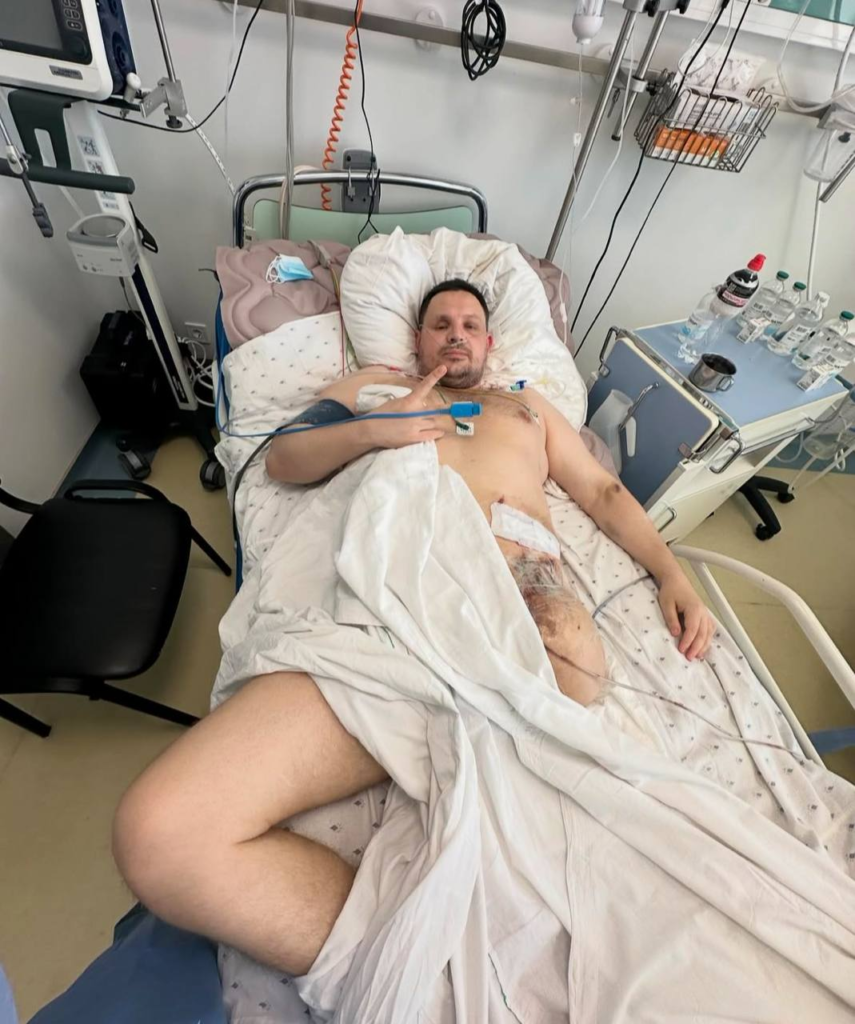
Далі вже розпочалася довга історія евакуації, яку ми поступово дізнавалися, через роки, як нам уже розповідали. Спочатку Харківський госпіталь, потім Суми, Львів. Там був проведений консиліум лікарів і прийнято рішення боротися за ногу, за те, щоб її зберегти. Мене відправили за міжнародною програмою в Гданськ (Польща) для лікування і можливості врятувати ногу.
За півтора року великої кількості операцій та антибіотикотерапії врятувати ногу не вдалося. Лікарі сказали: або ми роки боремося і, можливо, врятуємо, але з ліжка ти вже не встанеш, або забираємо ногу, вичищаємо рану, долаємо інфекцію і за півроку ти стаєш на протез та повертаєшся додому.
Я мав цілу ніч, щоб подумати, потім поспілкувався з дружиною, і ми прийняли рішення. Повернулися у Львів, пройшли ВЛК, адже у нас, як то кажуть, те, що загрожує життю і здоров’ю – другорядне питання, а основне – бюрократичне. І провели ампутацію. Як у нашому стилі, все серйозно: реанімація, межа життя і смерті. Потім, успішно подолавши інфекцію, ми вже готувалися до протезування й повернення в соціум.
Чи можете розповісти про ваш емоційний стан протягом цього шляху, адже він такий довгий, такий складний? Як ви почувалися? Про що думали?
Це, можна сказати, повністю веселка. Якщо спілкуватися з психологами, вони кажуть, що у пацієнта можливі варіанти: депресивний, суїцидальний, оптимістичний, песимістичний. Усі ці етапи я відчув на власній шкурі – продумав, пережив.
Коли я прокинувся в Харківському госпіталі, у мене були флешбеки до 2015 року, що я знову в полоні. Медперсонал говорив російською, я не міг зрозуміти. Після коми прокидаюся – російська мова, і думаю: «Ми, напевно, знову в полоні». Я не міг усвідомити масштаб поранення. Думав, що мої люди лишилися на полі бою, і мені треба швидко повернутися.
Потім потрапив у Суми, бо не могли довезти до Львова. Там лікар при мені розпакував рану, і я зрозумів, що швидко не відлежуся. Зіграли роль і сильні знеболювальні, опіати – пам’ятаю все уривками. Дружина потім сказала, що цей період тривав півтора тижня. У мене були марення, сни, я не міг розрізнити, де реальність, а де фантазія.
Коли ми потрапили у Львів, нас почали активно готувати, я чув розмови хірургів: «Нога під ампутацію». Тоді в мене було відторгнення цього факту. Я вважав, що без ноги життя немає. У мене з’явилися суїцидальні думки, я повідомив лікарів. Медперсонал попередили, вони відреагували професійно.
Потім переведення у Гданськ, складна дорога. Там з часом я зрозумів, що проблема – не саме поранення, а інфекція. Почався складний етап мого лікування: мене перевели в ізолятор – палата на одне місце, я лежав постійно, нога на витяжці, лікар тричі на день заходив, медсестра три-чотири рази (приносила ліки, їжу, мила). Я сам у палаті, міг переглядати телебачення, але це все одно постійна ізоляція. Розладився ритм життя: день помінявся з ніччю, я постійно переварював думки, боровся з цією проблемою сам.
Дружина приїжджала, вона була поруч досить довго зі мною, але вдома мала дитина, тому мусила повертатися. Тиждень з нею – я живу, будую плани; вона їде – я гасну на три-чотири тижні. Були затяжні депресії. Чужій людині ти поганого не скажеш, не фикрнеш, не крикнеш, не заблокуєш. А під удар потрапляла дружина, бо їй можна було виговоритися. Усвідомлював це, але емоції ламали мене.
Я не бачив кінця лікуванню. Орієнтували на півроку, потім на рік, потім: «Може два, може чотири». Моє життя обмежувалося палатою. Я знав усе про медперсонал, вони мене підтримували, але це було не моє життя. Я жив у бульбашці, дивився по відеозв’язку, як донька росте, як вона йшла в садочок. Моє життя було вирване з самої течії життя.
Коли ухвалили рішення про ампутацію, я повернувся в Україну. Я був як не захищена дитина. За півтора року вперше побачив небо – для мене це був шок: просто сидіти на вулиці й дивитися на небо. Потім почав адаптовуватися, будувати плани, проходити тренування, реабілітацію, протезування. Після ампутації проводили операції, щоб удосконалити зовнішній вигляд. Це стало рутиною, яка витягувала мене з замкнутості.
Багато працював із психологами й зіштовхнувся з такою проблемою: коли вони просили розповісти про себе, я починав із 2014 року: добровільно звернувся у військкомат, мобілізація, Іловайськ, полон, розстріли, побиття, повернення, поранення, ізоляція, повернення додому, реабілітація. Психолог казав: «Я не знаю, що з вами робити. Ви настільки унікальний випадок, так багато факторів у собі поєднали, що незрозуміло, звідти що тягнути».
Інші психологи відзначали, що я добре впорався з полоном і йду успішно до оздоровлення після ампутації й протезування. У мене є план і мегасильна підтримка вдома. Коли характеризують військового – широка спина, велика грудна клітка з орденами й медалями, але ззаду його тримає дружина. От так само й моя тримала мене.
Я розумів, що маю час зосередитися на собі, розібратися, як себе побудувати. Це були емоційні гойдалки. І як усі чоловіки, я міг казати: «Все нормально», хоча насправді це брехня. Бо чоловік, який себе поважає, ніколи не зізнається, що в нього проблеми.
Коли згадую ті періоди, іноді сумніваюся в правдивості спогадів, чи я справді це прожив і пережив. Але, повертаючись додому, беру дитину на руки, поруч дружина, і я розумію: я на своєму місці, я там, де хочу бути. Такі в мене гойдалки були, але пережив, адаптувався, і намагаюся зараз ділитися досвідом з хлопцями, підтримати. Але інколи розумію, що не треба лізти з допомогою. От коли вже попросять чітко – тоді так. А нав’язувати не ціниться зараз це.
Як ви, власне, повернулись до життя? Як вам вдається зберігати такий позитив?
Ми [з дружиною] покладаємося один на одного. Я розумію, що в цьому світі я потрібен тільки їй, а вона потрібна тільки мені. І все. Сказати якийсь універсальний лайфхак для всіх – не є доцільно, бо кожний випадок індивідуальний, кожний характер сформований по-своєму.
Нам допомагало те, що коли мені було складно, я дивився, чи вона не на межі ще більшого зриву. Коли я розумів, що вже дуже нелегко, говорив:
— Тань, ну, я не витягую, мені потрібна допомога.
Вона включалася. Бувало, що просто сідала біля мене, у палаті засинала поруч з ліжком. А я тихенько сидів, чекав, щоб вона хоч трошки відновилася.
Розкажіть про вашу соціалізацію. Чи вам було складно на початку виходити в люди? Чи була якась не така реакція, яка вам була некомфортна?
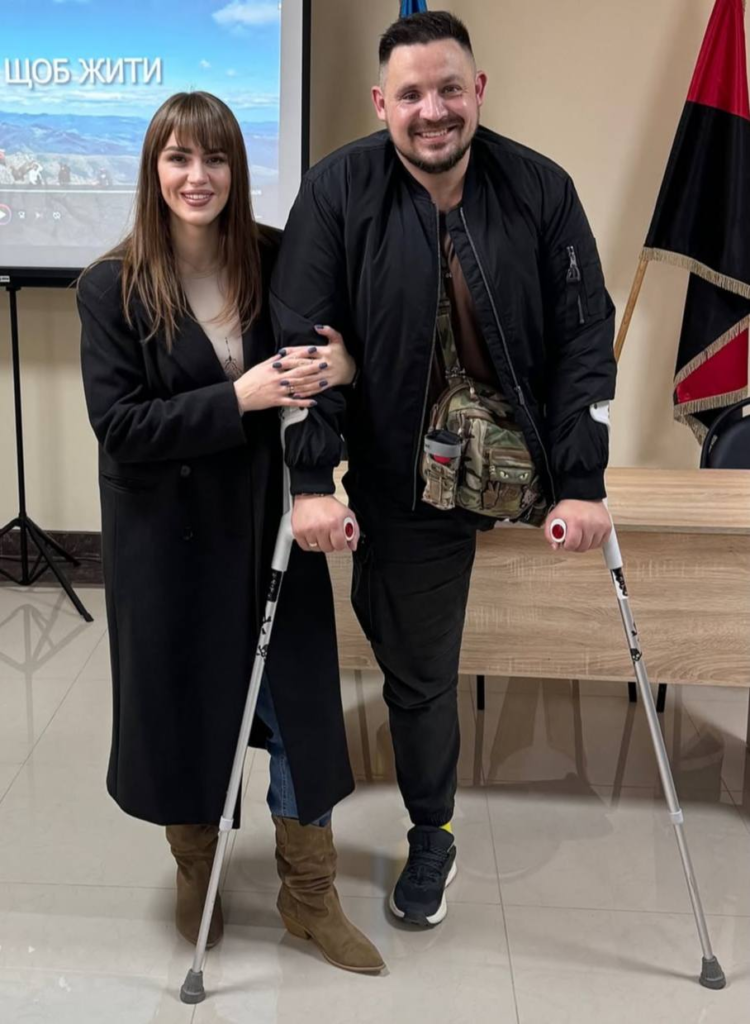
Взагалі, це досить цікава тема. Полежав у лікарні, де за тобою доглядають, ти на постійному контролі, тебе годують, одягають. Але потім ти з цієї бульбашки виходиш у реальне життя, і ти починаєш розуміти, що ти – біла ворона.
І коли ти потрапляєш уже додому – оце найбільша, напевно, проблема реабілітаційних центрів. Гіперопіка призводить до того, що людина розслабляється. Вона розуміє, що так і має бути: що ти повернешся – будуть іти люди, класти руку на серце, казати: «Дякую за службу, я вам двері відчиню». І ти до цього звикаєш.
А потім повертаєшся – а людям байдуже. Зазвичай у людей свої клопоти, свої проблеми. Ти не знаєш, у цієї людини чоловік військовий, чи, наприклад, брат військовий, чи дитина хвора, не дай Боже. І людина зайнята своїм. Вона може тебе навіть штовхнути, коли ти йдеш на милицях, просто повернутись – і піти далі.
Коли люди вже цілеспрямовано наступають на мою зону комфорту, то ми з дружиною, наприклад, відпрацювали певний алгоритм конкретного зауваження. Я не знаю, як зараз у Львові, але в нас у Тернополі це дуже проблематично. Щоб мені вийти з транспортного засобу, з автомобіля – треба під’їхати, зупинитися, відкрити двері, нормально вийти. І ці місця є облаштовані. Але вони в нас завжди зайняті.
Як ви дізналися про «Неопалимі»? І про очікування/реальність: чи йшли туди з якимись очікуваннями, і як вам результат того, що є зараз?
Узагалі сам проєкт «Неопалимі» – він дуже унікальний для України. Я вважаю, з того, що я досліджував, бачив – узагалі унікальний і для світу. Тому що поранення кардинально відрізняються від побутових травм.
Тобто, якщо до війни люди отримували опіки чи, наприклад, якісь пошкодження шкіри – це були, скажімо, звичайні наслідки. Лікарі на них дивилися за ступенем важкості. Коли приходить військовий – це часто дуже важкі, дуже комбіновані поранення. І складно зрозуміти, що можна відновити, що можна повернути, що можна покращити.
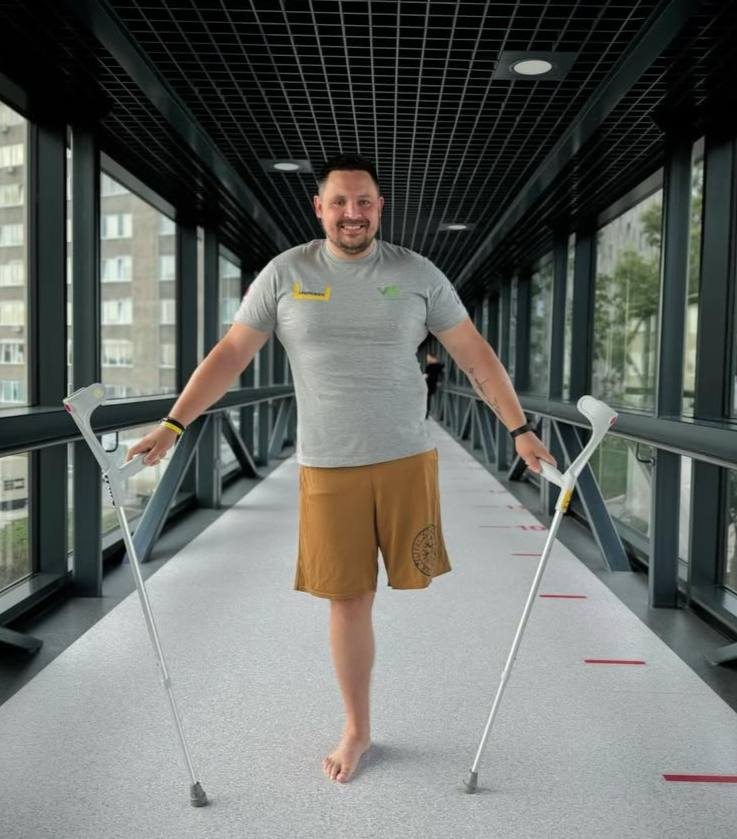
Коли в мене закінчився процес – уже, так звана, ампутація, реабілітація, протезування – і вже потім у мене пішла «підгонка» протезу, я вже почав думати: можна це покращити, можна там дефект виправити. Я почав цікавитися, як привести себе до певного стану, коли я почну сам себе сприймати. Бо проблема ветерана – це сприйняти самого себе, а потім – сприймати світ.
І в мене виникла проблема з тим, що я почав досліджувати – не міг знайти клінік, які були готові допомогти військовим із їхніми травмами. Почав шукати, і ми випадково з моїм дуже хорошим товаришем спілкувалися. У нас схожі ампутації: тільки в нього права нога, у мене – ліва. І він каже: «Звернися. Це дуже класна клініка. Вони допомагають». От вони реально йому допомогли, і він мені порекомендував. І я знайшов їх у соцмережах.
І коли я вже спілкувався з самою клінікою, зі спеціалістами, з лікарями – я усвідомив, що коли я повернувся з полону, травма була всередині. Суспільство її не бачило. Тобто я її замаскував: одягнувся, прийшов на роботу, і там тільки, знаєте, поза спиною люди могли сказати: «Він був у полоні».
А коли я вже отримав важке поранення, мені пошкодило дуже велику частину тіла, і я хотів це замаскувати – стати таким, як я був. Оце от – «Неопалимі». Вони допомагають це зробити. Вони допомагають сприйняти себе в дзеркалі й сприйняти себе нового. Тобто, коли в мене було, наприклад, запале око, великий рубець тут на животі, і проблема з протезуванням – це проблема з адаптацією, з тим, як самому себе доглядати.
І коли тобі кажуть: «Це можна виправити. Це можна покращити. Це можна зробити досконалішим, кращим» – люди приходять, цікавляться, рекомендують. Вони кажуть: «Оцей варіант хороший, але краще зробимо так. Це буде набагато перспективніше в майбутньому». Тобто, вони допомагають людині повернутися повноцінно в життя.
У «Superhumans» наш хірург, який здійснив ампутацію – Данило Туркевич – він також навів нас на «Неопалимих» і сказав, що, напевно, з цим шрамом ми спробуємо косметично справитися отак. Тобто, було дуже багато різних моментів. У кінцевому результаті ми дійшли до цієї клініки – і саме тут з тим шрамом і пробували щось зробити.
Редакторка – Гарець Катерина


