

UA
EN
Я – Богдан. Отримав поранення в руку.
Вовчанськ. Ми були в будівлі. Був артобстріл, начебто з міномета. Вистрілювався з вікна, і як повертався назад, то мені здається, що це десь з рикошету попало мені в руку – переламало дві кістки. Перед тим, як нас завозили, я загубив свою аптечку. Кричу хлопцям: «Я 300!», – вони розгубилися. Кажу: «Киньте мені або цілу аптечку, або киньте турнікет». Згадав, що в мене турнікет один був у сумці, скидав я, поки до нього доліз, то руку вже не міг підняти. Хлопці мені кинули турнікет, я там ледве його затягнув.
Кажу: «Я перебіжу». Вони кажуть: «Не біжи, бо хтось стріляє в двері». Я ще почекав, чую – перестали лунати постріли. Побіг у ту кімнату, де сиділи хлопці. Вони тоді мені надали першу допомогу.
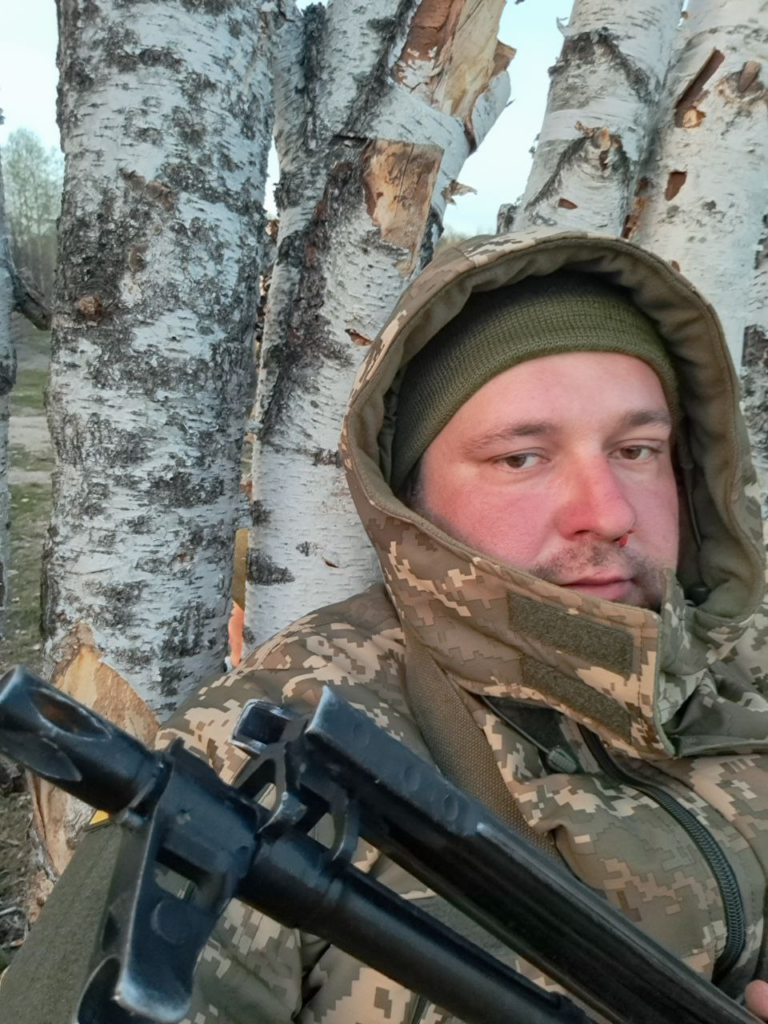
Трохи настрашився спочатку, але це, знаєте, такий шок. Воно навіть не боліло. Думав, як перетягнути, щоб руку врятувати, і як перебігти туди до хлопців, щоб вони мені надали першу медичну допомогу.
Другий, здається, теж був поранений. А об 11-й ми виходили ще з одним хлопцем, у якого було легке поранення. У нього таке враження, що просто так наче врізався по руці. Але йому сказали, щоб хтось зі мною виходив.
Я пролежав від 12-ї до 11-ї. Один мене вколов, перев’язав ще раз і сказав: «Почекаємо, подивимося, як рука буде поводитися. Якщо щось – турнікет трохи попустимо». Десь за півгодини він підійшов, подивився: «Ну, все нормально».
Виходив я: встав, на мені був шолом, можна сказати така маска. Чую – мені все пливе. Ще хлопці зайшли. І все. Ми пішли.
Страшно. Це ніч. Там – трупи. Але слава Богу, якось ми вперед йшли. Це був обстріл. Ми не йшли – нас повезли. А назад ми вже нормально скоренько добігли, туди, де мала приїхати евакуація.
Все погрузилися на машину – і на стабілізаційний пункт. Я дуже радий, що живий. Вони мене швидко все позрізали те, що на мені було.
Лікар глянув, каже: «У тебе тільки в руку приліт». Кажу: «Так». Вони мене все одно промацали, подивилися, який там час. Кажуть: «Спускайся вниз, зараз буде операція». Вони мені витягнули уламок. Я кажу: «Вколіть мені таке, щоб я нічого не бачив, щоб я заснув». Вони там щось посміялися собі і вкололи мені щось. Потемніло, навіть посіріло. Чув легенько, як вони щось витягнули – досить таки велике. І все. Перемотали – і далі по етапу ще якась одна лікарня, і начебто вже третя – харківська.
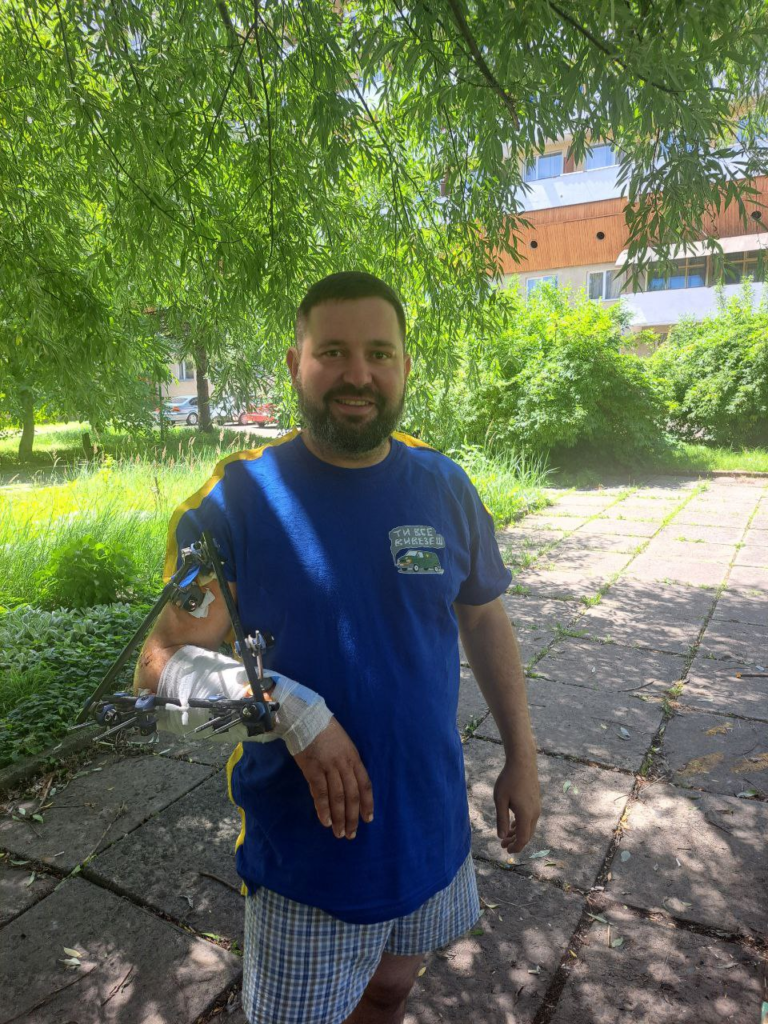
Я спочатку, як ішов туди, то не хотів мамі говорити, щоб не переживала. Бо вона мені там видзвонювала, виписувала. Я думаю, щоб її не засмучувати, я їй нічого не говорив. Я написав брату рідному, що йду туди, і дав телефони старших і тих солдатів, які були зі мною. Як тільки з’явився інтернет, написав: «Степан, я 300. Рука. Вже все витягнули. Почуваю себе нормально».
Потім – найближчим колегам. Потім вже мамі й татові.
Реакція? Я був щасливий, сміявся, жартував із лікарями. Просто був веселий, що вже звідти вернувся. А рука – то таке. Давали знеболювальне, то не пам’ятаю, щоб щось боліло. Просто радий, що вже звідти їду далі.
Спочатку, навіть коли лежав з АЗФом [ред. апарат зовнішньої фіксації], то був у Трускавці, у військовому госпіталі. Ходив на моторику – пробував збирати, брати речі. Потім – реабілітація. Десь у червні поступив, у липні трохи ходив, у серпні зробили операцію: поставили ці дві пластини. Десь місяці два просто проходив з пластинами в гіпсі. Потім кажу – треба реабілітація, бо рука ніяка. Направили знову в той самий санаторій. Ходив десь з кінця листопада півтора місяця інтенсивно.
Почалися свята – трохи переривав. Потім подавався на групу, знову не було часу, потім знову почав ходити. Загалом – десь до трьох місяців, щоб розігнути й розвинути хватальні рефлекси.
Про «Неопалимі» дізнався з вайбер-групи – «Ми Україна», чи якось так. Велика група, я там читаю новини. Побачив, що «Неопалимі» займаються людьми, які постраждали від війни. Зайшов на їхній сайт, заповнив анкету. Досить швидко передзвонили – і я потрапив на цей курс.
Очікувань якихось не було. Але результат подобається – і це ще не кінець. Думаю, буде ще краще.
Єдине – складно було в душ сходити, в туалет. Це був дискомфорт. Взутися, вдягнутися – складнувато. З мене, коли все зрізали, то дали спеціальну інклюзивну футболку з наліпками. Пам’ятаю, йшов по вулиці, вона відвалилася. Я назад – знову наліпив. Було дискомфортно, але я розумів: рука відновиться хоча б якось. І вона є на місці.
Наприклад, картоплю чистити – мені складно. Грубо гарненько так обдираю. Але вже більше нічого не пригадую, що мені заважало б жити. Почав більше робити лівою рукою, але жити не заважає.
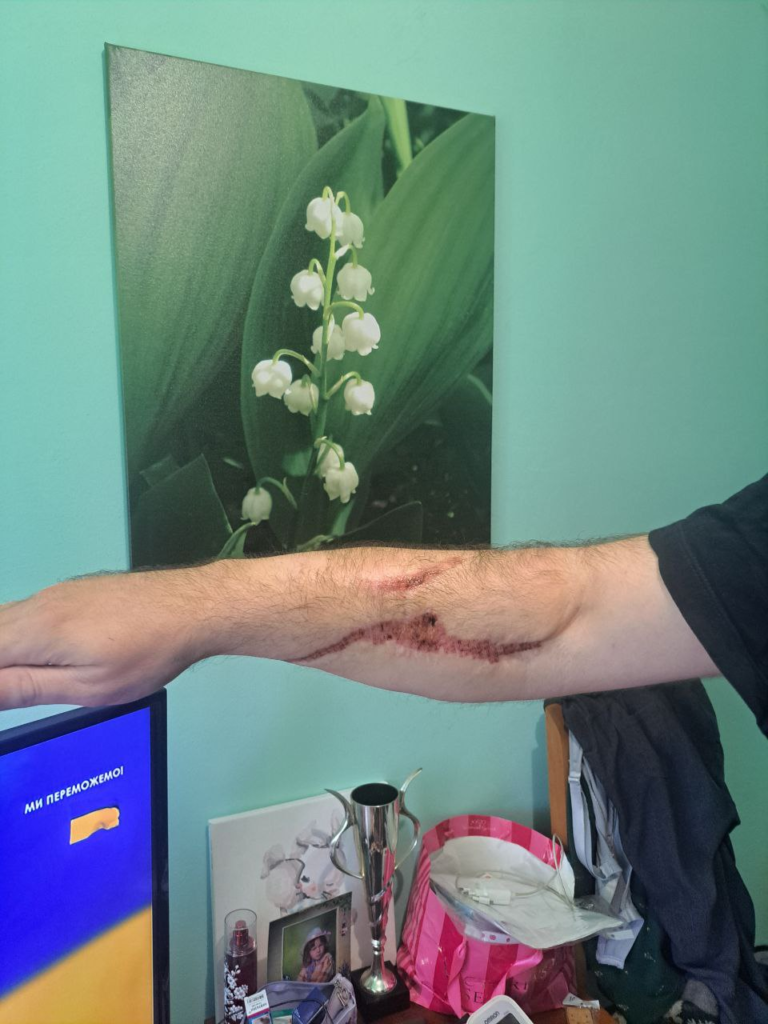
Як реагували люди? Питали: «Де ти так впав?» Кажу: «Не впав – русняві помогли». Одна бабуся в автобусі коло мене сиділа й дала шоколадку. Я кажу: «Не треба». Вона: «Ні, тобі болить». — «Та не болить». — «Тримай».
Жалість – це навпаки дискомфортно. Я жалості не хотів. Один колега теж постійно переживав, жалів, хотів допомогти. Кажу: «Та, Ігор, не болить, бо я на знеболювальному. На, хоч доторкнися до руки». Це мені заважало – надмірна жалість. А я залишився таким, яким був.
Якщо мені якісь дурнуваті питання ставили – міг трохи агресивно відреагувати. А загалом – нормально. Ніхто нічого не зауважував. Зі всіма добре спілкуюся.
До реабілітації рука взагалі не розгиналася. А після – значно краще.
До війська я працював на заводі «Fujikura», коло Львова, Рясне-2. Оператор автоматичних і напівавтоматичних ліній. Мені кажуть: «Можеш вертатися». Я кажу: «Не можу – треба реабілітацію». Мені трохи розробили руку, пальці відновили, щоб я міг щось хапати. Потім сказав, що можу вертатися.
Кажуть: «Може, щось легше дамо?» — «Ні, я хочу виконувати те саме, що виконував». І мене повернули на тестерний стіл, що перевіряє мережу. Працюю. Звичайно, трохи складно. Але колеги допомагають. Справляємося.
Дитина молодша – не дуже розуміла. Я нічого такого не говорив. Казав: «Дивися, яка в тата буба — і все». І вона, певно, розуміла: якщо я посміхаюся – значить, зі мною усе добре.
Старший син – підлітковий вік, але сприйняв нормально. Я розказав: на війні було таке. Він начебто сприйняв нормально. Бо я посміхався – значить, все нормально. А це таке тимчасове.
Я себе сприймаю таким, яким є. Я ж не винен, що так сталося, і що я такий зараз маю вигляд. Сприймаю себе нормально. То чому хтось має інакше мене сприймати? А якщо хтось і сприймає інакше – це їхні проблеми.
На зло ворогам – треба жити. Живіть, яким би життя не було. Навіть якщо отримана інвалідність, завжди можна знайти вихід, пристосуватися. Дивіться на Ніка Вуйчича – людина народилася без ніг, без рук, а скільки досягла! Беріть з таких людей приклад.
Редакторка – Гарець Катерина


