UA
EN

У вашому офіційному каналі вказано, що центр створювався як ініціатива кількох небайдужих до проблем українців, яка поступово сформувала навколо себе спільноту. Чи можете детально розповісти про етапи формування вашого центру? Як зібрали команду цих небайдужих?
Перший етап був пов’язаний з фактичною потребою, яка на той момент була, а саме: допомога з побудовою маршрутів для людей, більшість з яких жодного разу за кордон не виїжджали на власному авто, допомога з пошуком проживання, зокрема, для транзиту, оскільки через Румунію дуже багато хто їхав для, щоб далі потрапити в Європу. А потім почали виникати питання щодо оформлення документів, отримання тимчасового захисту в цій країні, що робити з дітьми або як отримати якусь додаткову допомогу. Пізніше стало зрозуміло, що є немало румунських міжнародних організацій, які хотіли б допомогти та допомагають, але щось дублювалось, а щось взагалі не робилось в іншому напрямку. Через це виникла ідея розказати більше про потреби українців, що були вкрай актуальні тоді. Таким чином, сформувалась група людей: я, біженець, котрий щойно приїхав, і ще одна українка, ми з нею разом вчилися в університеті на одному курсі. Вона жила у Румунії на той момент і була одружена. Вона теж разом зі своїм чоловіком долучилася до створення центру. На першому етапі це була приватна ініціатива всіх небайдужих, а далі з волонтерства ця справа переросла у повноцінну роботу.
Одна з румунських некомерційних організацій Asociatia Sus Inima запропонувала мені зарплату за те, щоб я продовжував волонтерство, аби я не шукав роботу тут, а міг працювати в тому ж напрямку для інших українців. Через це я став їхнім співробітником й досі залишаюсь. Вже в рамках цієї організації триває вся подальша розробка програм для українців. Що стосується саме українського центру, то він дійсно на перші півтора року став в Сібіу центром, навколо якого консолідувалися небайдужі українці. Допомагали як могли. Хтось своїми знаннями. Хтось руками. Хтось міг приділити дві години на тиждень. Хтось з ранку до вечора. Як у кого виходило.
Чи були волонтери серед румунського населення?
Так, і дуже багато. На початку, взагалі були лише румунські волонтери. Також волонтерили й англійці, італійці, угорці, французи та німці. Було видно, що багато українців відчували розгубленість.
З якими складнощами зіткнулися?
Досить трудомістко було працювати. Чимало людей одночасно займалися пошуком житла для українців. Були румуни, які хотіли надати своє житло, та українці, які його шукали. Як їх між собою зв’язати? Через це довелося зробити цілу мережу.
Перше житло, яке використовувалося, відрізнялося один від одного. Хтось передавав контакти, що хтось там здає квартиру. Потім ми сформували постійно оновлену базу житла та які родини потребують цього. Якщо квартира розрахована на трьох людей, то туди родина з восьмими дітьми не влізе. Водночас дім, де 6 кімнат, не варто віддавати одній парі без дітей. Це все складно було організувати.
Також, виходячи з вашого посту, приміщення для вашого Центру безоплатно надано DWS (Німецьким бізнес-клубом).
Як ви дізналися про цей бізнес-центр? Чи можете детально розповісти, як вам надали приміщення без оплати?
Тут насправді велика подяка румунській місцевій владі. У них не було ресурсу та налагодженої схеми, що робити з біженцями, як в деяких інших країнах. Однак був високий ступінь небайдужості. Через це на самому початку вони зібрали основні організації, що допомагають, в єдину групу. На той момент я був присутній на першому засіданні цієї групи, де, зокрема, знаходивсь також й цей німецький бізнес-клуб. Там й виникла ця ідея, що для українців було б непогано мати фізичний центр, де можна фізично прийти та запитати, отримати безпосередньо консультацію.
Ваша організація не є державною. Чи зареєстрована ваша діяльність? У яких ви стосунках з місцевою владою? Чи намагалися вони перешкоджати або допомагати формуванню центру?
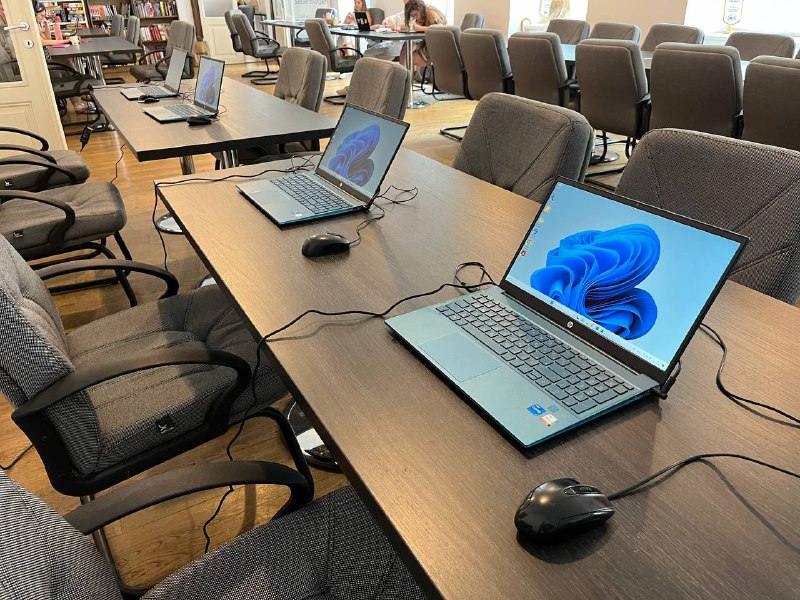
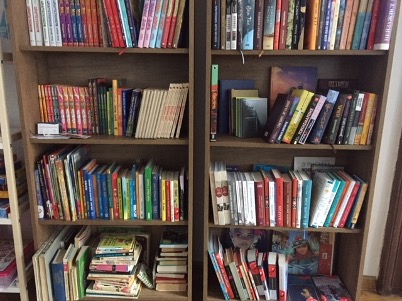
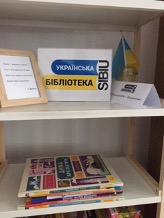
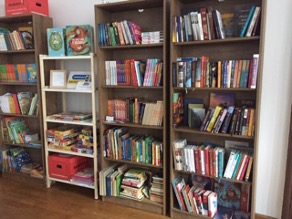
Ми не реєстрували український центр як українську організацію, але він діє в рамках румунської некомерційної організації як один з напрямків діяльності. Наразі український центр Сібіу є інформаційним, де українці можуть фізично з кимось поспілкуватись або використовувати місце як коворкінг. В нас є безоплатні ноутбуки, українська бібліотека.
З владою дуже добрі стосунки. Досить багато українців очікують від влади чогось казкового, але насправді, найкраще, що може зробити влада, — це дати певну автономію та не заважати там, де ми виступаємо зі своєю ініціативою. Влада прислухалась до того, щоб українці висунули свої пропозиції, та надавала нам дозволи за всіма запитами, що були добре підготовлені та обґрунтовані. Влада не змушувала українських дітей ходити до румунських шкіл, коли ми запропонували створення власної української школи.
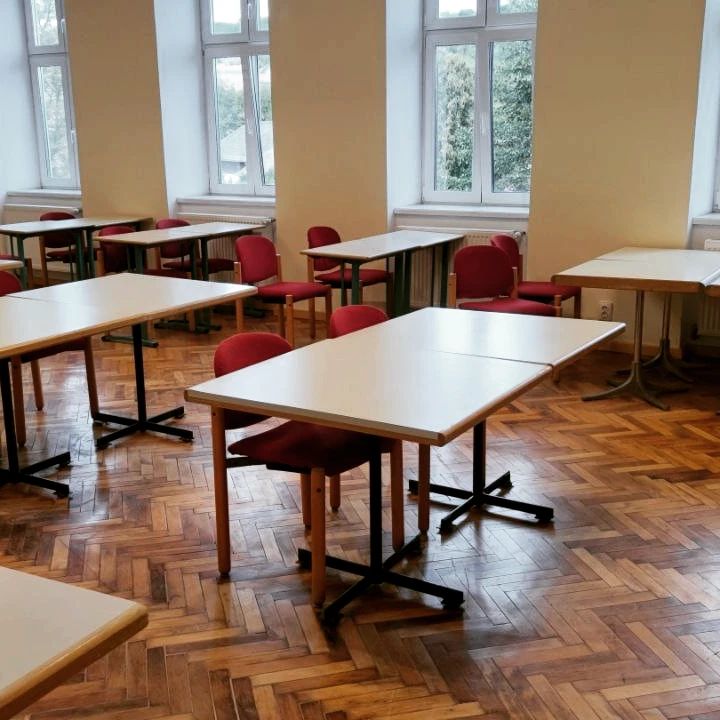
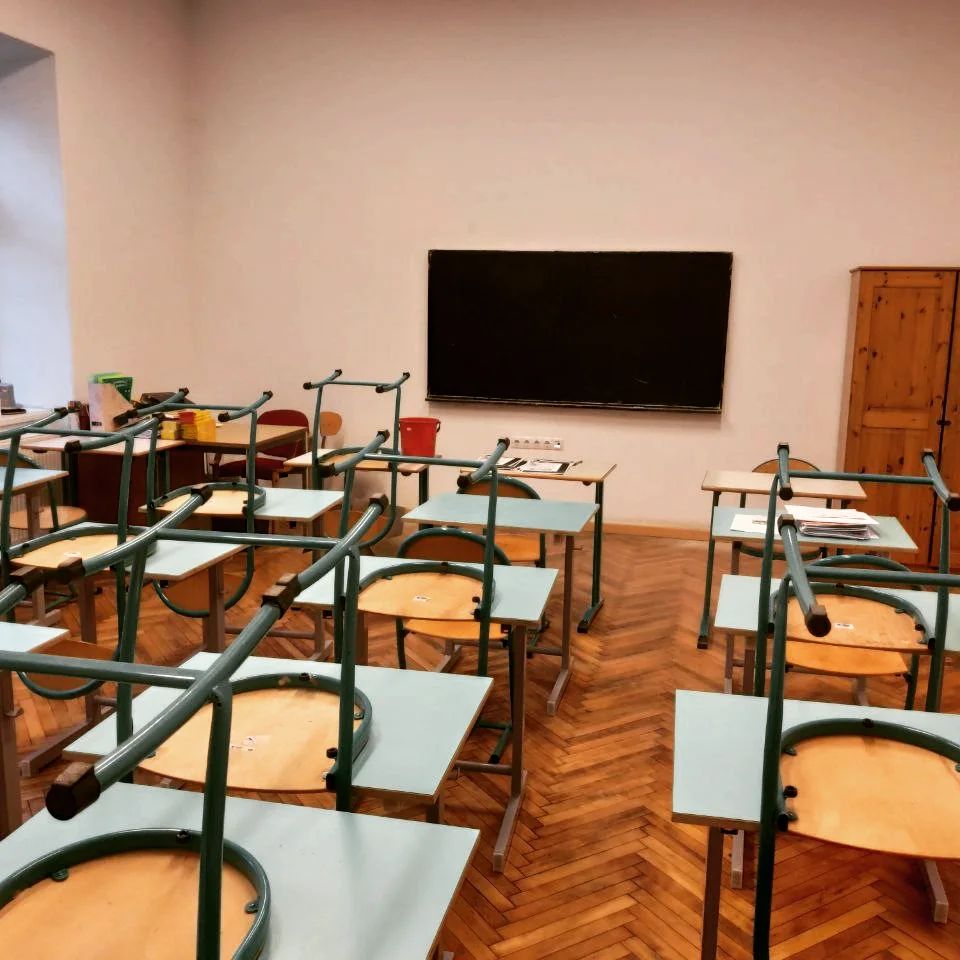
Фото: “Centrul Ucrainean din Sibiu/Sibiu Ukrainian Center“
Перший період комунальні послуги виплачував німецький бізнес-клуб, а потім потеплішало, опалення вже не було. Через це там лишились тільки інтернет, вода, електроенергія. Тож ми, волонтери, своїми силами це закривали. Коли час дійшов до минулої зими, то знову постало питання опалення. Знову ж таки, Asociatia Sus Inima під ‘єдналося до фінансування великої частини витрат. Ноутбуки ми отримали від рамки освітніх проєктів UNICEF.
Розкажіть, хто допомагав формувати ваш асортимент, чи користується він успіхом?
Книжки нам поступово передавали з різних фондів. На першому етапі відкрили бібліотеку, де було 80 книжок. Наразі їх вже понад 1000. Жодної з цих книжок ми не купували. Це все є внеском від різних організацій, людей. Хтось з дому приносив. Деякі видання з України нам передавали по декілька десятків примірників.
Користуються чтивом дуже активно. На річницю підбивали підсумки, то порахували, що за минулий рік книжки брали близько 800 разів.
Тут немає жорсткого контролю. По-перше, бібліотека абсолютно безкоштовна для всіх. Ми просимо повертати через два тижні, але розуміємо, що хтось залишить книжку у себе й потім може повернутись до України з нею. Або банально забути її віддати. Ми не будемо вішати якусь дошку сорому у жодному разі через це. Не повернули, значить так воно і має бути.
У додатковий час центр надає терапевтичну допомогу. З чим пов’язана ця терапія? Які методи терапії використовуєте?
Більшість майстер-класів проводиться організацією Association for Liberty and Equality of Gender. Основна ініціатива організації — захист гендерної рівності. Але вони сфокусовані не лише на цьому. Загалом вони займаються просвітницькою діяльністю, так, в них є штатні психологи, зокрема, спеціалісти, які вміють працювати з травмами. Їхній підхід до терапії відбувається через майстер класи. Це робота не з психологом або психотерапевтом на зустрічі. Натомість це обговорення певних тем або щось подібне до арт-терапії. Вони щось роблять разом, паралельно обговорюючи якусь тематику. І це відбувається регулярно, мінімум раз на тиждень. Дуже ретельно стежать за станом всіх учасників, й так само дуже ретельно підбирають групи за віком, статтю. Навіть якщо одна тематика для різних груп, то ці психологи адаптують конкретне заняття під вікову групу.
Окрім того, зараз в штаті Sus Inima є 3 психологи, що працюють на постійній основі (2 з них з України). Більшість часу вони проводять з дітьми у нашій школі та їхніми батьками. Решту часу приділяють персональній та груповій терапії з іншими дорослими та підлітками.
Це все відбувається суто для українців, чи румуни теж беруть участь?
Їхня діяльність має місце для румунів теж, але ті заходи, що проводяться у нашому центрі, сфокусовані лише на українцях.
Крім допомоги нашим біженцям у Румунії, ви також не забуваєте про Україну в цілому. Чи можете докладніше розповісти про те, як допомагаєте нашій державі у цій війні? Як ви обираєте, кому допомогти або ж, можливо, з вами зв’язуються якісь підрозділи?
Ми працюємо за таким же принципом, як й раніше. Ми збирали конкретику. Що і скільки потрібно, та в якій формі.
Чому почалася ідея саме з сітками? Тому що це про це запитували. Потрібні були маскувальні сітки. Чому були потрібні банки та віск для окопних свічок? Тому що нам звідти прислали відповідні запити.
Що стосується України, то це суто волонтерська діяльність. Більшість румунських організацій, які допомагають українцям на території Румунії, не мають дозволу щось відправляти власне до України.
Нещодавно один з готелів змінював комплекти білизни, й оскільки вона їм вже не потрібна, тому нам її передали, загалом майже сотню комплектів. Вона досить непогана, не пошкоджена. Потім ми все організували та передали до України в госпіталь. Все так відбувається поступово, хтось автобусами, хтось самостійно їздив в Україну та передавав ці речі.
У вашому інформаційному телеграм порталі зазначено, що ви допомагаєте у вирішенні складних і нестандартних ситуацій. Чи можете навести приклад такої нестандартної ситуації, з якою мали змогу працювали, та як ви допомогли розв’язати цю проблему?
Одним з найскладніших завдань було вирішити, як розселити людей з домашніми тваринами: трьома величезними собаками або з двома конями. Звісно, виникала якась проблема з медичної сфери, чи ось, наприклад, є дитина з ДЦП та їй потрібна коляска. Загалом стикалися з такими речами, з якими працюєш далеко не кожен день.
Уявімо, що я молодий фахівець, який би хотів розвивати продовольчу галузь у Сибіу. Чи може ваш центр забезпечити мені допомогу у відкритті малого бізнесу?
Це можна віднести до нестандартної ситуації, оскільки тут досі не працює нормальний юридичний супровід. Це одне з тих питань, яким саме займаємося зараз: щоб в штаті був хоча б частково зайнятий юрист, який би допомагав займатися саме реєстрацією ФОПів. В першу чергу, для тих людей, які хочуть бути самозайняті, є багато таких спеціалістів: дизайнери, перукарі, манікюр.
Те, що ми можемо надати зараз, — це консультація, як це робиться, але от зробити всі переклади й лише потім передати реєстраційний сертифікат, — це поки не в наших силах.
Як волонтерство впливає на ваше життя, чи змінилося життя після утворення центру? Можете надати поради про те, як запобігти вигоранню?
Я бачу, що різні люди справляються з вигоранням по-різному. У кожного свій підхід, і в мене немає єдиного рецепту. Мене мотивувало те, що у кожного має бути сьогодні свій фронт, і якщо я не в окопі, то хіба справедливо мені жалітися, що зараз може бути складно у житті?
Коли вже багато кому допомагаєш, то на певному етапі виникає очікування з їхнього боку, що ти будеш й надалі допомагати ще більше. Ключовим є той момент, що ти повинен, ти мусиш допомогти. Мене врятувало усвідомлення того, що часом треба трішки охолонути. Не приймати усе на свій рахунок. Звісно, що коли хтось розповідає якусь дуже емоційну історію, то я можу виглядати немов повністю байдужа людина. Але це той бар’єр, який кожен волонтер має будувати, бо інакше його вистачить на одну-три такі історії. Це не означає, що емпатії немає, ні, вона є. Але певна холодність тут все ж допомагає.
Контакти: