

UA
EN
Однією з перших подій, які спадають на думку, є 2014 рік. Цей рік став визначальним у моєму житті. Мені пощастило, оскільки я не протрималася під окупацією довгий час. Дружківка та Славʼянськ були тимчасово окуповані, але завдяки нашим українським військовим вони були звільнені. Мені було 10 років, і саме тоді я усвідомила свою приналежність до української нації, свою українську ідентичність.
Спочатку був страх. Тоді я була залежною від своїх батьків, серед яких були лише мама й бабуся.
Однією з найяскравіших подій, яку я запам’ятала, було 10 лютого 2015 року. Після школи я прийшла на день народження до бабусі, яка повідомила мені про обстріл Краматорська, де працювала моя мати. Страх охопив мене, і я відчувала, що можу втратити маму, а моє життя назавжди зміниться.
Я навчалася на першому курсі Чернівецького національного університету імені Юрія Федьковича на факультеті міжнародних відносин та проживала в гуртожитку. Зранку прокинулась і побачила новини в телеграмі, які мене шокували. У мене виникли дві емоції: по-перше, ненависть, оскільки цей шрам залишився ще з 2014 року, і усвідомлення того, що це знову почалося, але в більших масштабах.
По-друге, це було почуття безпомічності. Мені зателефонував прихований номер, і через поганий зв’язок тільки за декілька хвилин я зрозуміла, що це моя мама. Тоді вона була в Донецькій області, і стало ще гірше. Мама повідомила, що Краматорськ під обстрілом і що почалася війна.
Через деякий час ми вирішили виїхати, оскільки офіс, де працювала мама, був зруйнований, і вона понад 24 години добиралася евакуаційним потягом з Харкова до мене. Вона три дні жила зі мною в гуртожитку в Чернівцях. Ми ухвалили рішення про виїзд з України за один вечір. У нас були друзі в Литві, які вмовили разом зі мною маму евакуюватися. Ми виїжджали з України в Європу через румунський кордон. Волонтери піклувалися про нас, і один з них запропонував залишитися в домі з його родиною. Наступного дня наші друзі забрали нас в Литву.
В Литві ми жили три місяці, але вирішили, що нам потрібно рухатися далі, і ми подали заяву на візу в Шотландію. У липні 2022 року я полетіла туди.
Коли я тільки прилетіла в Шотландію, мене зустріла родина, у якої я жила деякий час. Моя мама прилетіла до мене у листопаді 2022 року, чому я була дуже рада.Як знає історія, війни швидко не закінчуються. На жаль, це наш випадок, і це була одна з причин, чому я пішла здобувати освіту. Завдяки допомозі мого спонсора я змогла вступити в Університет Геріот-Ватта. У жовтні 2022 року я розпочала навчання за спеціальністю “Сучасні мови та комунікація культури з Іспанської мови”. Це була моя дитяча мрія. Наступного року я планую поїхати за обміном в Іспанію або іншу країну. Для мене важливо, що я маю змогу здобути цінний досвід, бути спроможною допомогти Україні та стати корисною в міжнародному секторі.

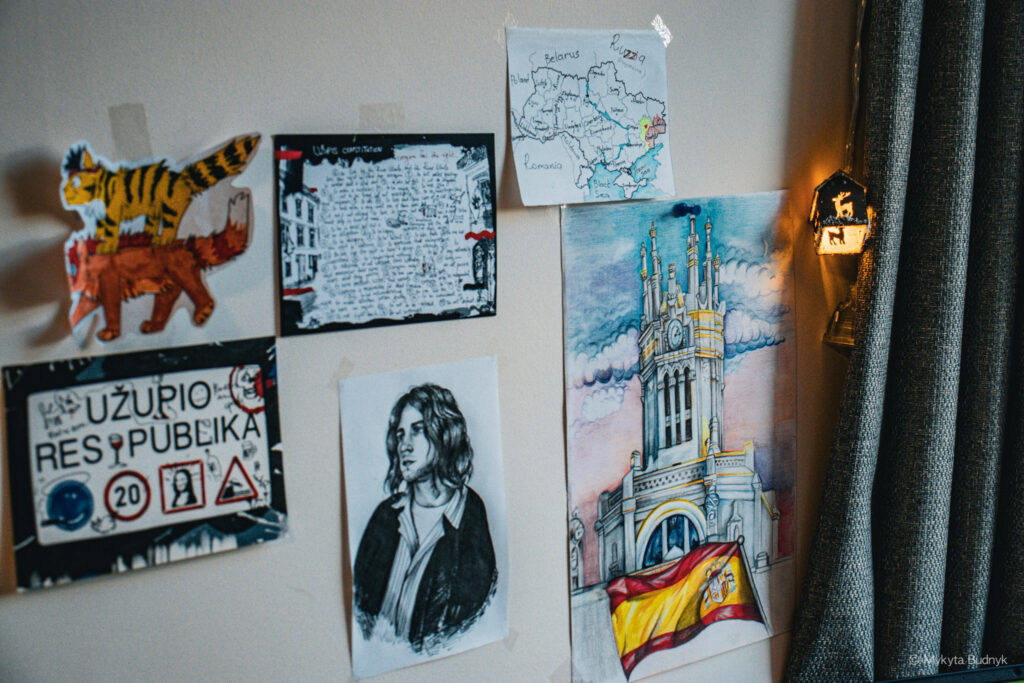
Я познайомилась з українською діаспорою в Українському клубі в Единбурзі. Одна з шотландок була заміжня за українцем, який служив в УПА. Тоді я відчула, як шотландці поважають нашу культуру й допомагають максимально, так як це має бути. Щодо мого нового життя в Шотландії, я захоплена культурою цієї країни. Я вдячна шотландцям за їх відкритість та щирість.
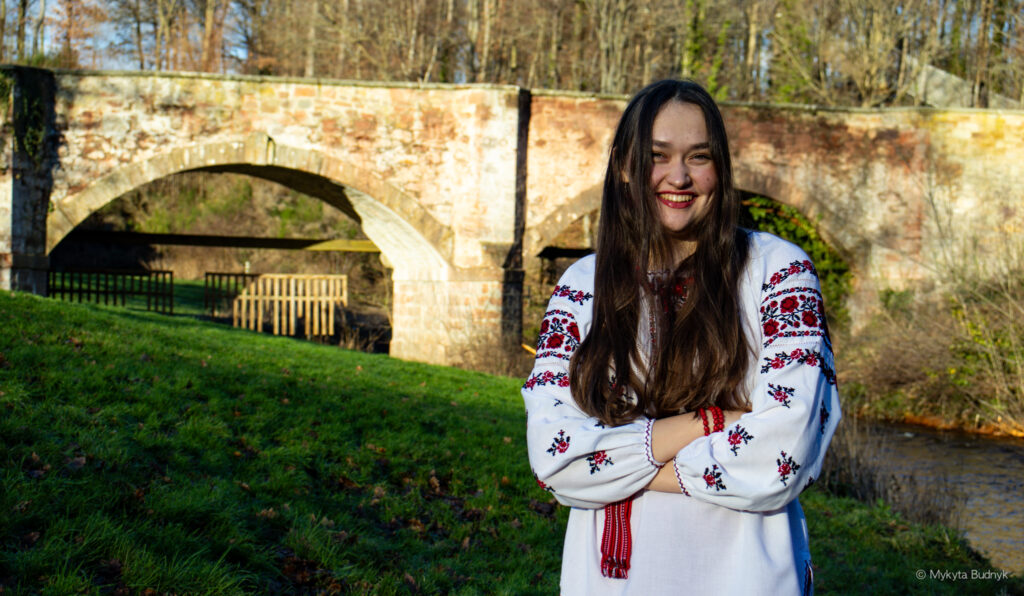
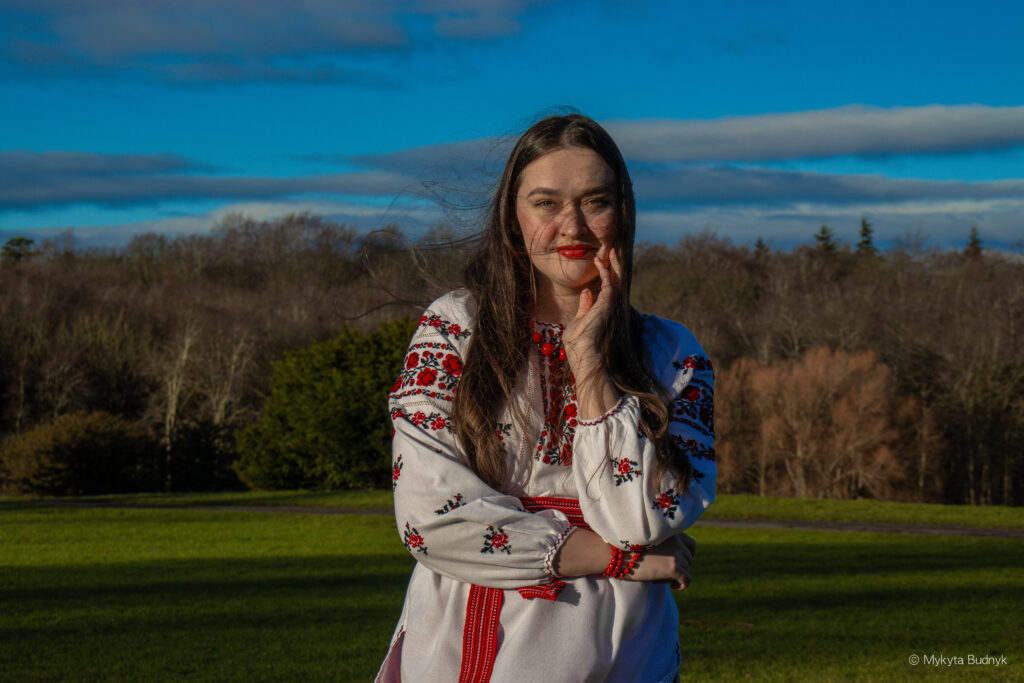
Я намагалась допомагати Україні різними способами, наприклад, плела разом з волонтерами маскувальні сітки для ЗСУ як у Литві, так і в Шотландії. Також я намагаюсь популяризувати нашу українську культуру та відвідувати масові заходи на підтримку України, такі як проукраїнські протести в Единбурзі. Я люблю вдягати українську символіку та вишиванку, і коли місцеві запитують про це, я розповідаю про історію нашого національного вбрання. Я не боюся говорити про це.


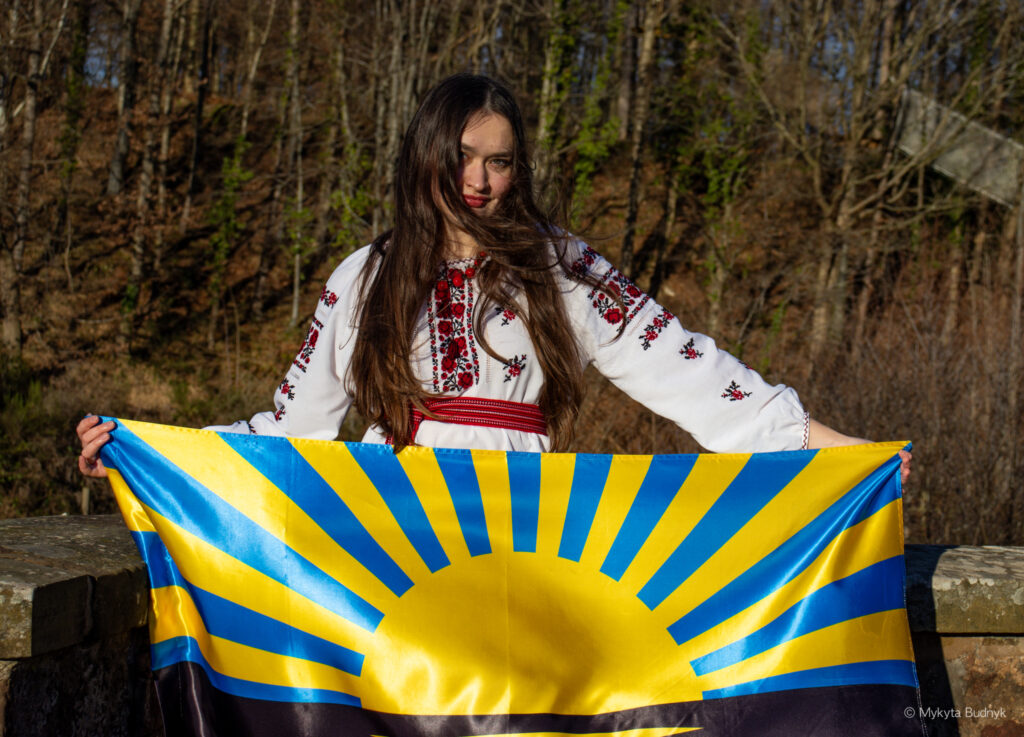
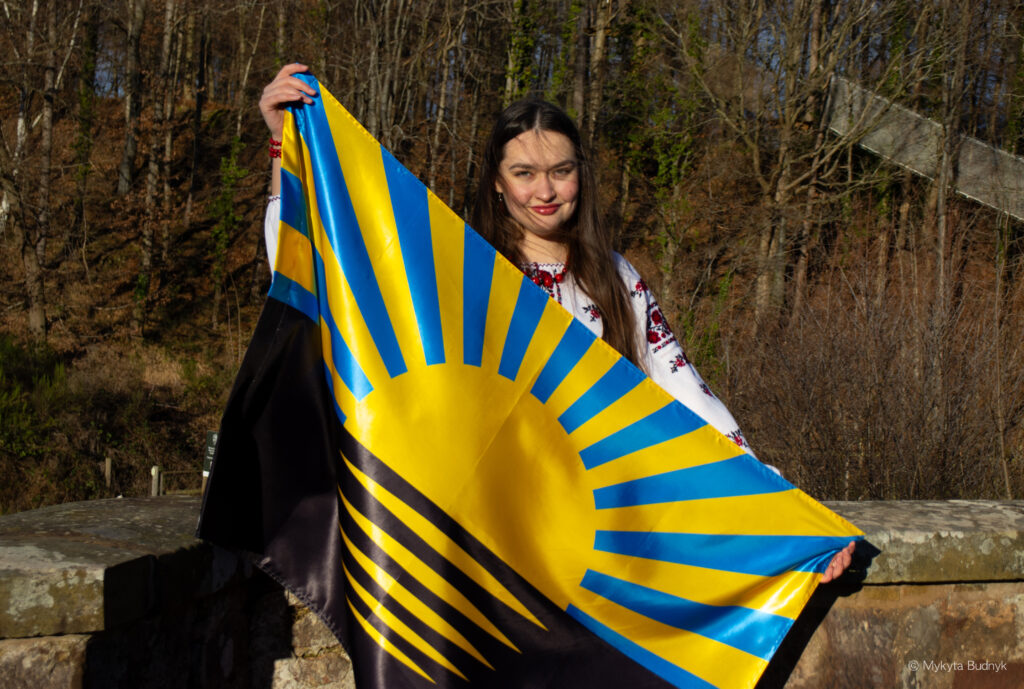
Це прапор Донецької області, звідки я родом. По-перше, чорний колір символізує Азовське море, звідки сходить сонце ввечері, по друге, вугілля – один з символів регіону. Цей прапор нагадує мені слова Дудаєва, що “росія зникне, коли зійде Українське сонце!”. Це має особливе значення для мене, особливо коли почалися події 2014 року в Донецьку та Луганську. Також це сонце дає мені надію.
В нашому регіоні дуже щирі люди з почуттям гумору. Стосовно культурної ідентифікації ми такі ж самі українці. З історичного погляду ми так само проходили через радянські репресії, голодомор, і попри всі спроби нав’язати нам чужу культуру, ми залишилися українцями.
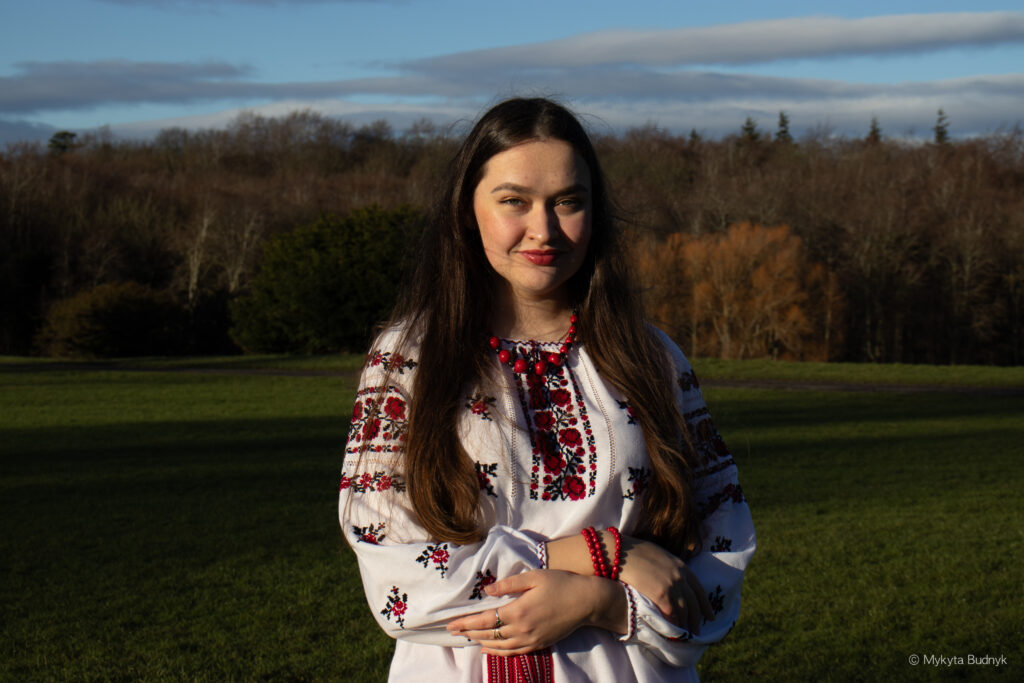
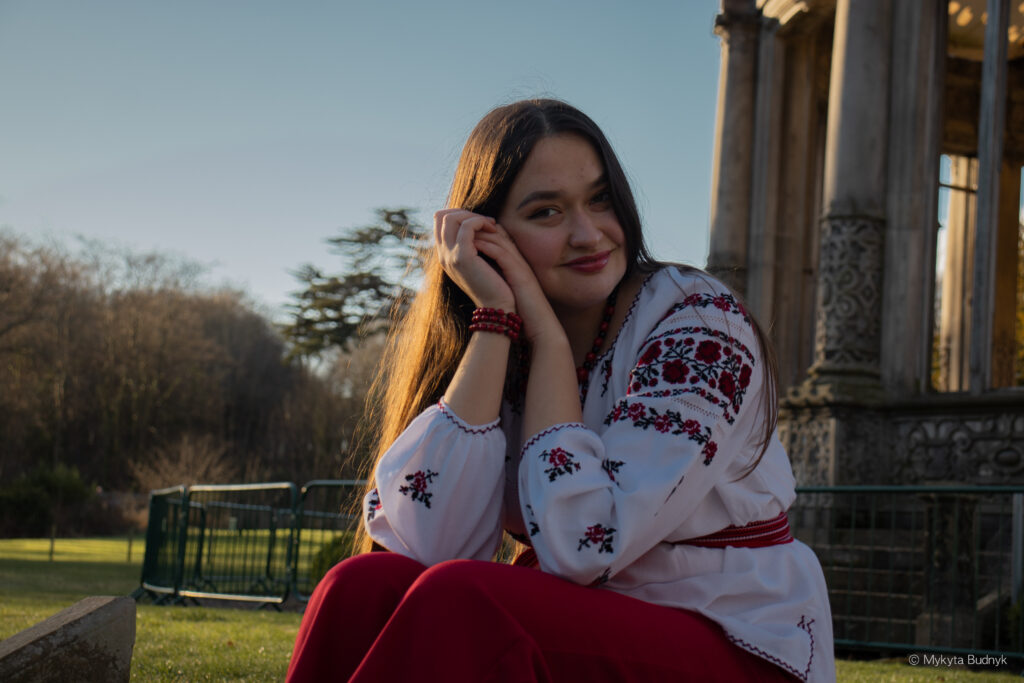
Донецьк був містом мільйонів троянд, тому ці квіти є також символом нашого регіону. Наша вишиванка – особливий національний символ, якому притаманні червоний, чорний та білий кольори. У минулому році я одягла вишиванку до спонсорів на Різдво, тому що в Україні це особливе свято.
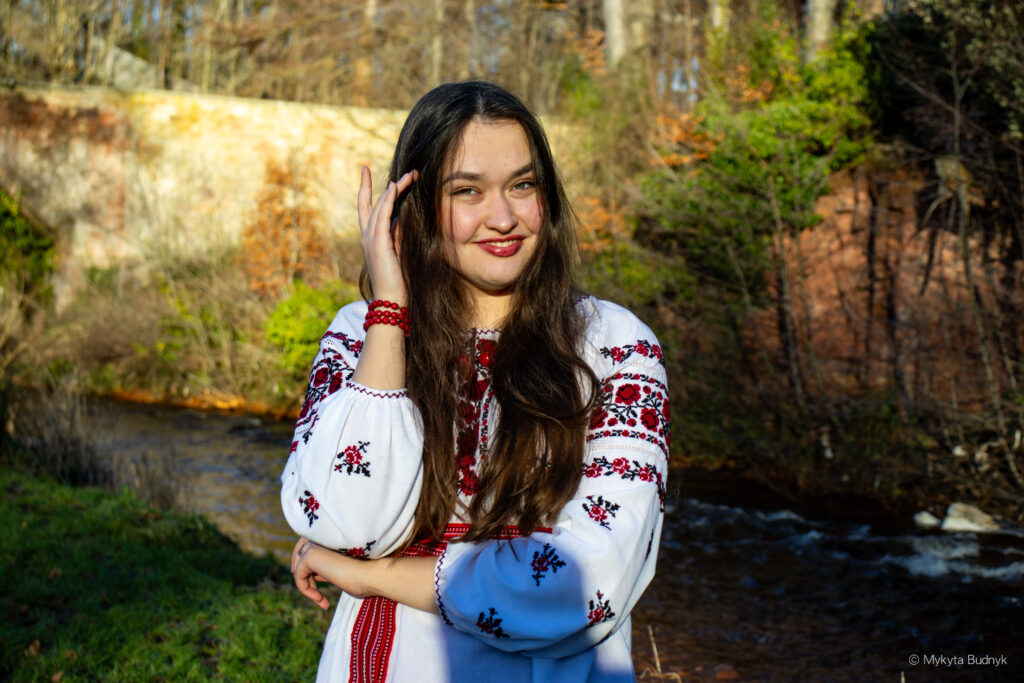
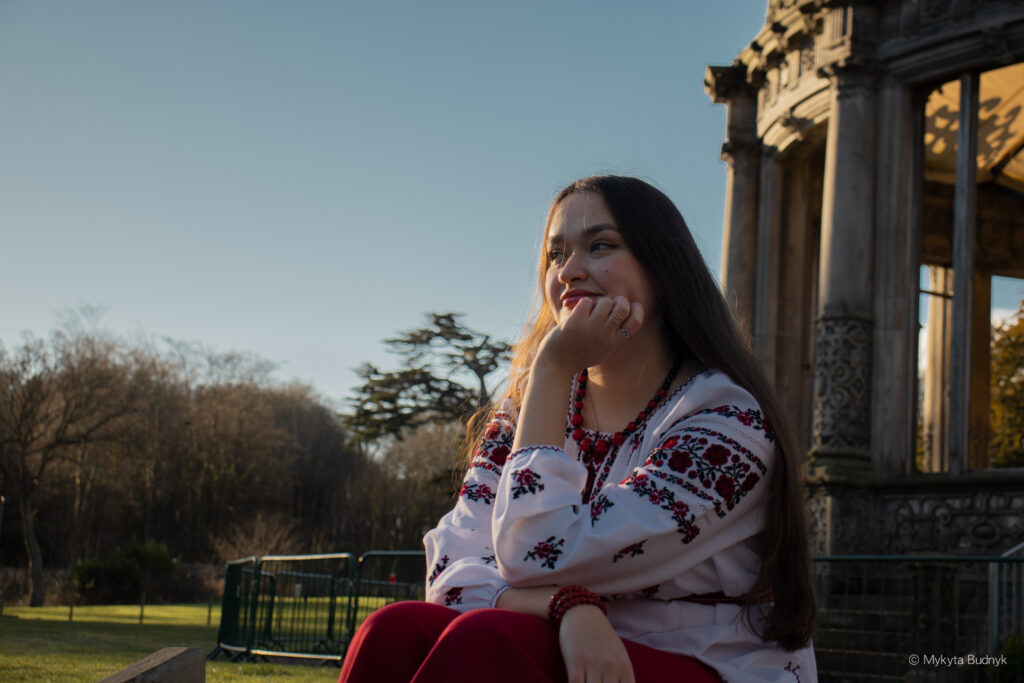
Я дуже часто отримувала компліменти від оточення, і багато хто підходив фотографуватися. З прапором Донецького регіону також було не менше позитивних відгуків, і часто, коли я виходила на протест чи акцію, багато людей звертало на це увагу. Багато атрибутів, серед них браслети та сережки, також підкреслювали регіональну автентичність національного вбрання.
Перше, що має бути у людини, це усвідомлення власної культури. Тобто, нехай це буде не лише українська, адже серед нас є представники різних слов’янських народів, зі схожою мовою та вбранням, і це абсолютно нормально. Таким чином, усвідомлення української культури – це, по-перше, демонстрація нашої власної багатої історії, яка не є фейковою, як намагалась довести російська пропаганда. По-друге, це аргументація власної історії, підкреслення того, що Україна переживала роки окупації та знищення.
Багато людей, коли дізнавались, що я з Донеччини, усвідомлювали масштаб трагедії та висловлювали співчуття. Проте, існували стереотипи, що “донецькі та луганські” – це якісь не українці, стосовно яких громада висловлювала непорозуміння. Я намагалась не вдаватися в провокації та не відповідати на ці стереотипи, пропонуючи власну думку лише тим, хто виявляв зацікавленість. Шкода, що існують такі уявлення, адже я – така ж сама українка, як і інші.
Мені важко усвідомлювати, що ці 10 років російської агресії загалом не пробудили суспільство, поки війна не набрала масштабів після 2022 року. Прикро за владу, вона є слабким місцем, яке росія може використовувати, наприклад, серед осіб, які мають російське громадянство. Ці політичні ігри не призводять до добра, оскільки міжнародні політики починають втомлюватись від цього. Також в Україні присутні колаборанти, які чекають “русский мир”, і їх чомусь досі не депортували.
Мені пощастило уникнути зіткнення з цим, проте серед шотландців також існували стереотипи, наприклад, що Україна була частиною Росії під час радянського періоду. Мені доводилося пояснювати, що ми були під радянською окупацією. Таким чином, я часто пояснювала різницю між українською та російською мовами, що це не одне й те саме. На жаль, серед західних медіа багато хто не розуміє цього. Важливо усвідомлювати, хто пише ці матеріали і кому це вигідно, а також які дії на це впливають. Тому надання інформації з історії є важливим аспектом.
Серед моїх планів на майбутнє – завершення навчання в університеті. Хоча розумію, що війна може закінчитися найближчим часом, країні все одно потрібно буде відбудовуватися, і багато людей розглядає можливість еміграції через проблему корупції. Я хочу залишитися тут, але це буде залежати від обставин і моєї професійної сфери. Знаю, що такі люди будуть важливими для майбутнього країни. Також прагну відновлення та реконструкції зруйнованого росіянами Бахмута та Маріуполя. Хочу ще раз там побувати.
Шотландія швидко відреагувала на російське вторгнення в Україну, реалізувавши стратегію «Тепле шотландське майбутнє». За Super Sponsor Scheme уряд Шотландії надав притулок понад 25 500 українцям, пропонуючи тимчасове та довгострокове житло. Для вирішення житлових проблем були використані готельні номери та цивільні судна. Крім того, фонд у розмірі 50 мільйонів фунтів стерлінгів (понад 2.3 мільярдів гривень) підтримав будівництво 671 будинку до серпня 2023 року, що вміщує 948 переміщених осіб. Незважаючи на тимчасову паузу в Super Sponsor Scheme з липня 2022 року, відданість Шотландії підтримці та інтеграції українців залишається одним з головних приоритетів уряду країни.
Цей матеріал виготовлено за підтримки ГО “Інститут масової інформації” в рамках проєкту міжнародної організації Internews Network.
Редакторка – Гарець Катерина


