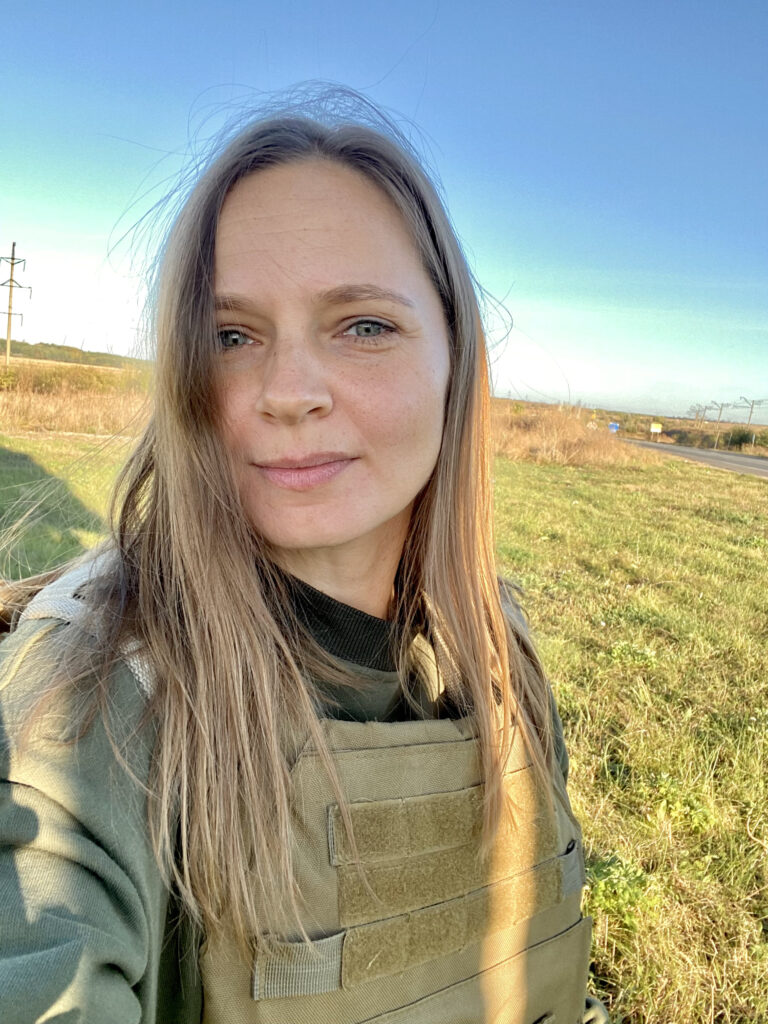
More than four years have now passed since the beginning of the full-scale invasion. You already had experience with volunteering before the full-scale war, but after your home region of Kherson was occupied, the scale of your efforts to help people changed completely. Looking back on this journey today, what has changed the most in you as a person? And what would you say is the most important lesson you have learned over these more than four years?
If I were to name the most important lesson, for me it would be the strength of solidarity among Ukrainians and our friends around the world. Every step of the way — from my first fundraising campaign to purchase medicines for the occupied Kherson region to buying tactical medical supplies or vehicles for military medics — I have been convinced that there are hundreds of people around me whose support I can count on.
This has convinced me that nothing is impossible when there is a goal, when that goal is clear and transparent to others, and when it helps save the lives and protect the health of military personnel or elderly people who have found themselves under occupation. We can come together again and again and do whatever is necessary. People’s trust gives you tremendous strength, but also a great deal of responsibility, and it makes it possible to accomplish so many things.
I deeply value this, and I am very grateful to everyone who continues to help.
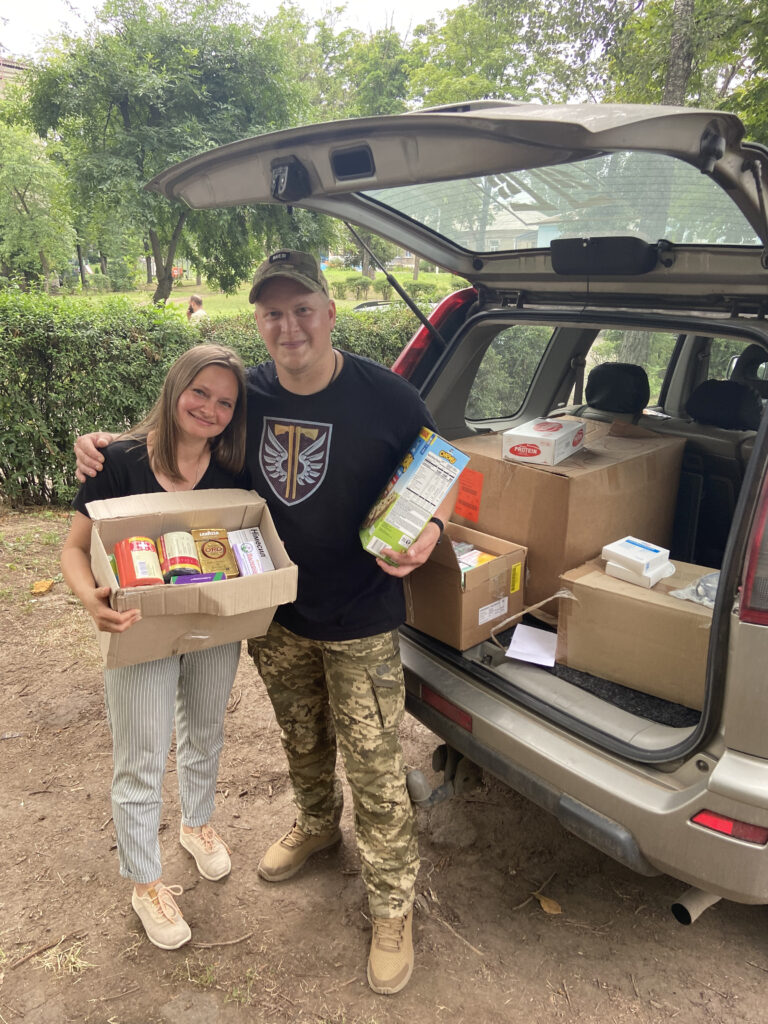
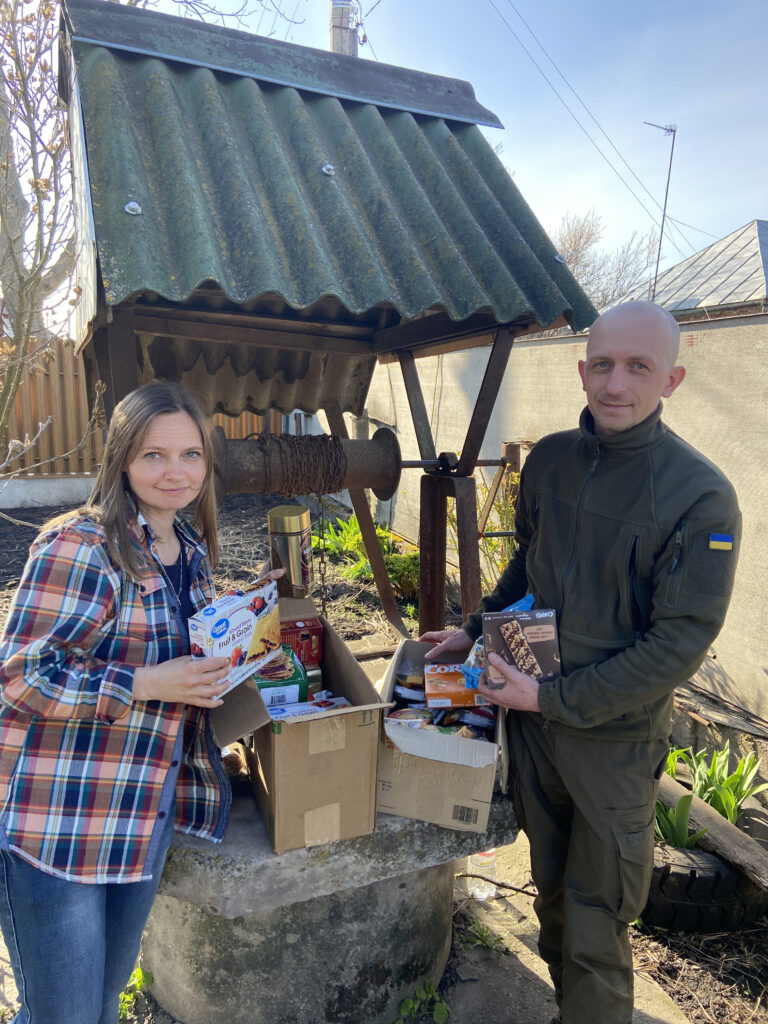
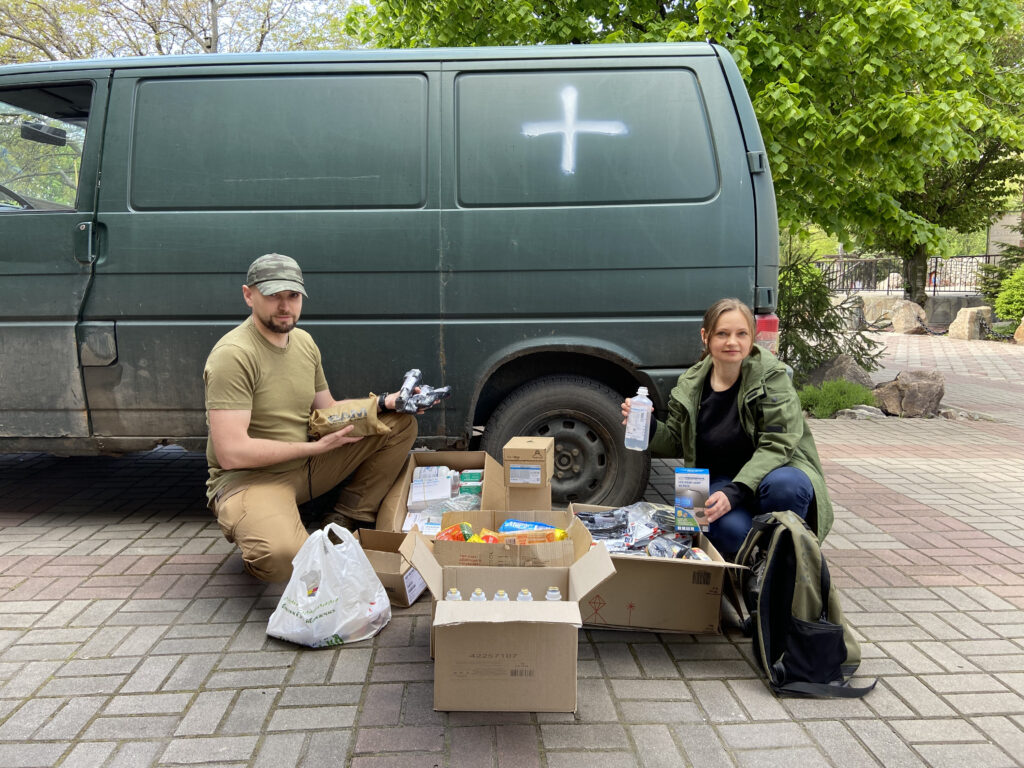
At the beginning of the full-scale invasion, Ukraine experienced an unprecedented surge of mutual aid. Tens and hundreds of thousands of people who had never volunteered before began actively supporting military personnel, civilians, hospitals, and humanitarian initiatives. Comparing that period with today, how do you think the Ukrainian volunteer movement has changed? Have people, their motivations, and their willingness to help others changed?
People are exhausted and worn out, and that is the truth. Naturally, the scale of aid has decreased because many of those who were volunteers back then have had to return to work, so they have less time to provide direct volunteer assistance. Many donors have lost their income or their health, or have joined the military themselves, so donations have also become less frequent. People abroad are also distributing their resources somewhat differently now.
But I cannot say that the aid has stopped. I am still able to purchase medicines every month, cover the necessary expenses, and find the equipment needed to support the work of the medics I help.
My circumstances have also changed over these four years — after having a child and returning to work from parental leave. My volunteering may look more modest and more low-key now, but it continues consistently.
Today, you are balancing several important roles at once — a servicemember’s wife, the mother of a young son, a communications professional, and a volunteer. How do you manage to find a balance between your family, work, and volunteering? And how has becoming a mother affected the way you perceive the war and your desire to help others?
This is the most difficult question 🙂 Because now I have to divide my time and responsibilities among several different areas, each of which is extremely important. My first and foremost role now is being a mother. My son is under two years old, so he needs my constant presence, emotional involvement, and attention to the different stages of his development. Especially since I am the only one with him every day, while he mostly talks to his dad on the phone.
But whenever security protocols allow, I look for opportunities to travel with my child to see my husband. That is also why we have chosen to live in a region closer to the front line: from here, I can travel to see my husband more often when needed.
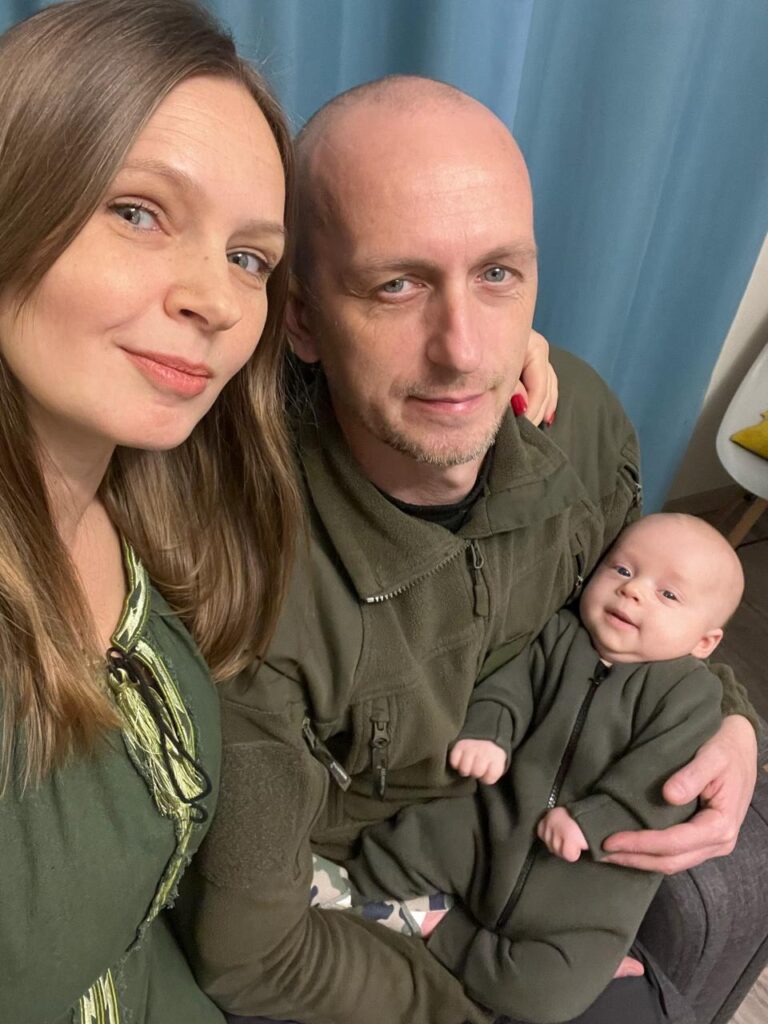
At the same time, I have to work, because supporting the military did not allow me to stay on parental leave for very long. This means that I have to combine my work and volunteering with my responsibilities to my family. But I enjoy working because my job at a charitable foundation involves helping people who need support, developing a culture of volunteering, and contributing to peacebuilding in Ukraine.
So my personal volunteering allows me to support the military, while my work focuses on civilians — including internally displaced people, veterans, and military families — and also allows me to work on long-term solutions for our country.
My son is the greatest motivation for all of this, because I want him to grow up happy in this country and to see his future here.
Volunteering is not only about helping others; it also comes with a constant emotional burden. After more than four years of war, many volunteers speak about fatigue, exhaustion, and emotional burnout. Have you experienced moments like these? What helps you recharge and find the strength to keep going?
The hardest moments are when I receive news that someone I have been helping, or a servicemember I know, has been killed. But my strength and motivation come from helping those who fight every day to save the lives of others. My daily contact with military personnel, and their determination, motivate and encourage me, because if they do not give up while looking death in the eye, then what right do we have to?
Of course, the exhaustion is immense, particularly from the constant responsibility and the need to make choices: should I make dinner for my child, or should I pack and send the parcel of medicines that someone is waiting for so desperately?
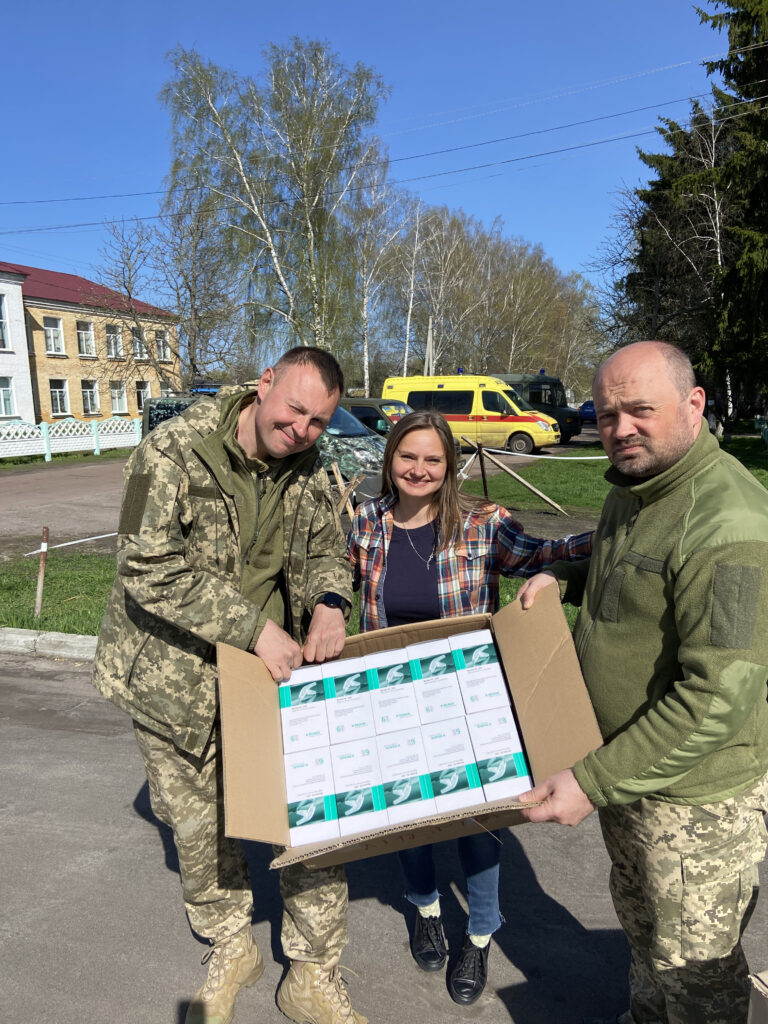
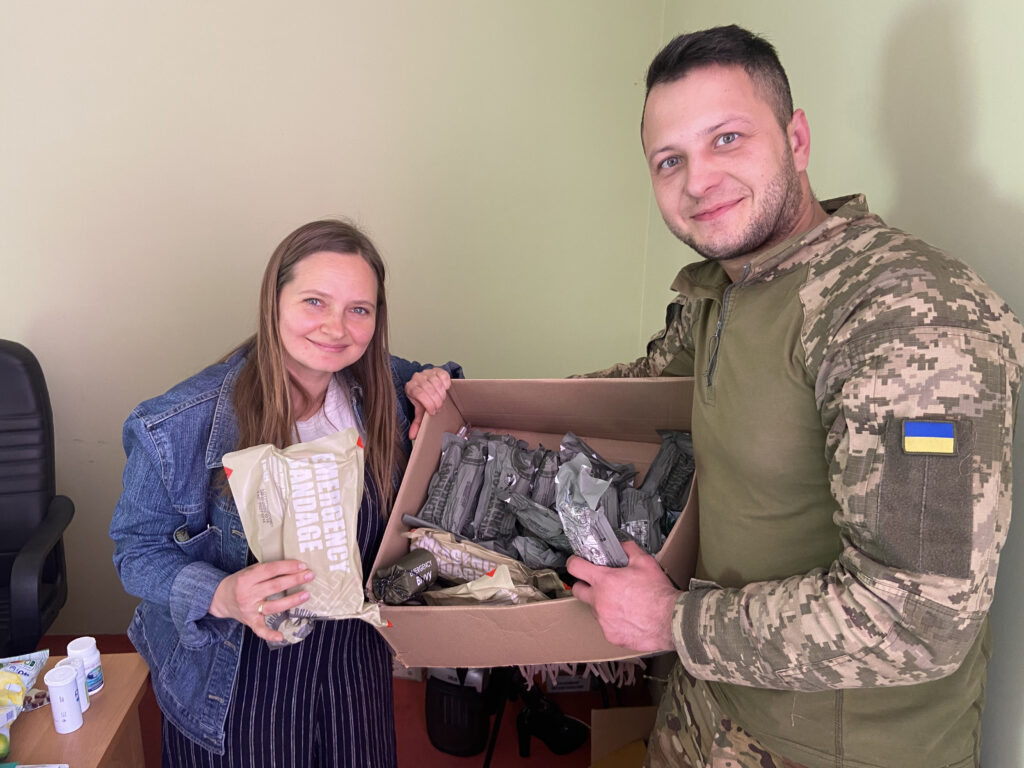
One of the key areas of your volunteer work is supporting military medics. Over this time, you have had the opportunity to see their work much more closely than most Ukrainians. What has impressed you most about the people who save lives on the front lines every day? What do you think society still does not fully understand about their work, and why is it important to talk about it?
Military medics from many different units have become close friends of mine over this time. They are people who inspire and amaze me every day — through their selflessness, their genuine dedication to their service, and their fight for every single life. That is why I try to stay by their side and help meet the needs of their units, because they are not asking for help for themselves, but for the people they save and treat.
Sadly, some of the medics I have supported have been killed while saving others. I want to do everything I can to prevent such losses, so that every one of them can return home to their families and so that we can meet again in peacetime. For now, we work alongside them in unison to make sure they have everything they need for their daily work.
Whenever I manage to send not only medicines or clothing for the wounded, but also some small, thoughtful things for the medical staff themselves, it makes me very happy. I want them to know that they are not alone, that they have a reliable support system behind them, standing by them and supporting them. I often hear and see how deeply this touches them, supports them, and motivates them. That is why I sincerely ask all of us not to stop helping.
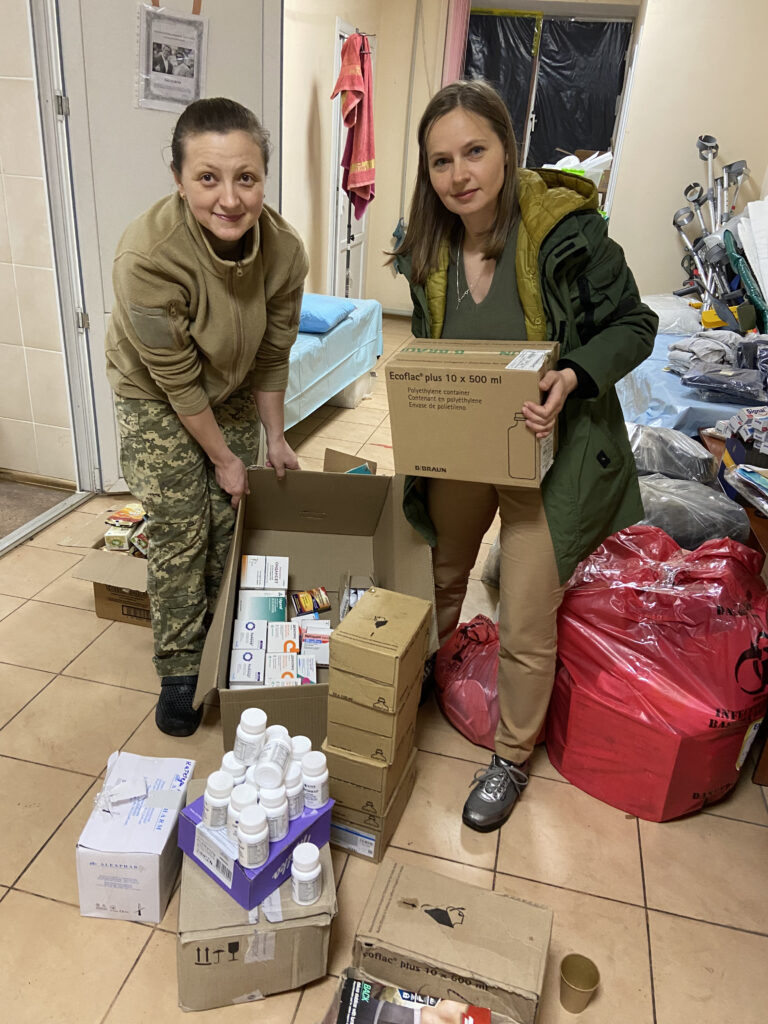
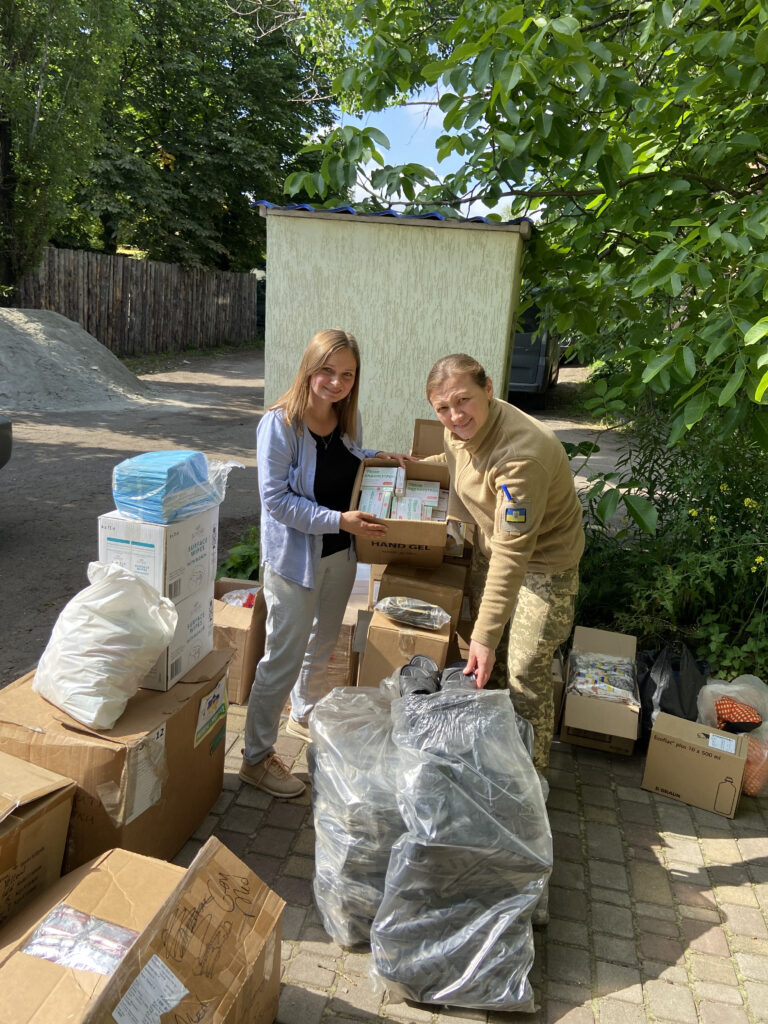
What is the biggest challenge in your volunteer work today? Compared with the beginning of the full-scale war, have the main difficulties you face changed? What takes the most out of you today?
In short, it’s time and resources. Of course, I was able to do more when volunteering was my only daily occupation: I could travel directly to the front line, visit wounded soldiers in hospitals and stabilization points, speak with them in person, and write and speak about them publicly on a regular basis.
The logistics of delivering aid have changed now. I buy medicines and tactical medical supplies, or receive them from friends abroad, sort everything at home, and send it via Nova Poshta. But these days, I very rarely get the chance to see them in person.
Over the years of volunteering, you have met many people — military personnel, medics, civilians, donors, and other volunteers. Is there a particular person or story that has stayed with you and still reminds you why you continue doing this work?
There are actually many such people. One is my husband’s former commander, the commander of a medical company, who cared deeply about every servicemember under his command while also ensuring that the unit’s work was organized to the highest standard. He had the unquestionable trust of his team, his former colleagues from civilian medicine, and the volunteers he worked with, always maintaining complete transparency in everything he did.
Another is a woman I support — the senior nurse in the evacuation unit of one of the combat brigades, who became like a sister and a mother to her fellow servicemembers and the wounded. She embodies an extraordinary combination of humility, selflessness, strength, and genuine Christian service.
And then there are the combat medics who spend all their time in dugouts and trenches alongside their people, helping them recover after difficult missions and injuries.
There are also the doctors who operate for many hours at a time to save every life, and the nurses who care for the wounded, change their clothes, feed them, and do everything they can to find the best possible care for each one of them.
I am inspired by people in the military who do not think only about how to survive themselves, but also care for those entrusted to them. For people like these, I am willing to do whatever it takes to help them carry out their missions even better.
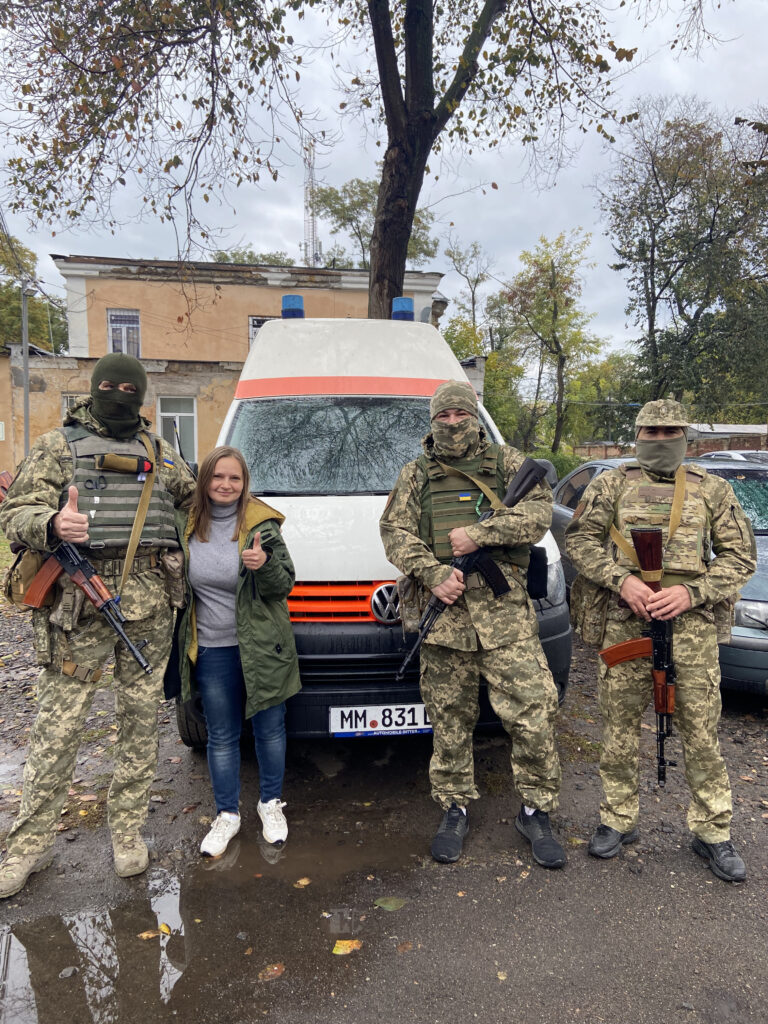
You were born in the Kherson region, and the occupation of your home region was one of the factors that prompted you to start volunteering. How much does your personal connection to Kherson continue to motivate you today? Have the reasons that drive you to keep helping changed over the years?
When I first started volunteering in 2022, my focus was on helping civilians living under occupation. I had connections with many people there, of course, and I helped them simply survive. Today, my volunteering is focused on helping the military, because humanitarian routes to people in the occupied territories have long been unavailable.
As for the military, I initially supported the brigades that were liberating the Kherson region, precisely for these personal reasons: “You are helping to liberate my home, so I will help you do it in whatever way I can — by treating, feeding, and clothing you…”
Later, this support expanded to all areas of the front, while keeping the same main focus: medicines, saving lives, and providing as much comfort as possible for the wounded and medical personnel. My motivation has remained unchanged. People went to the front to defend Ukraine, our shared home. And when they are wounded and cannot treat themselves, I do everything I can to make sure medics have the resources they need to help them — medicines, tourniquets, and other supplies to support the recovery of our defenders. I want them to know that we care, that we are grateful to them, and that we are keeping our finger on the pulse so that we can be useful in the most difficult situations.
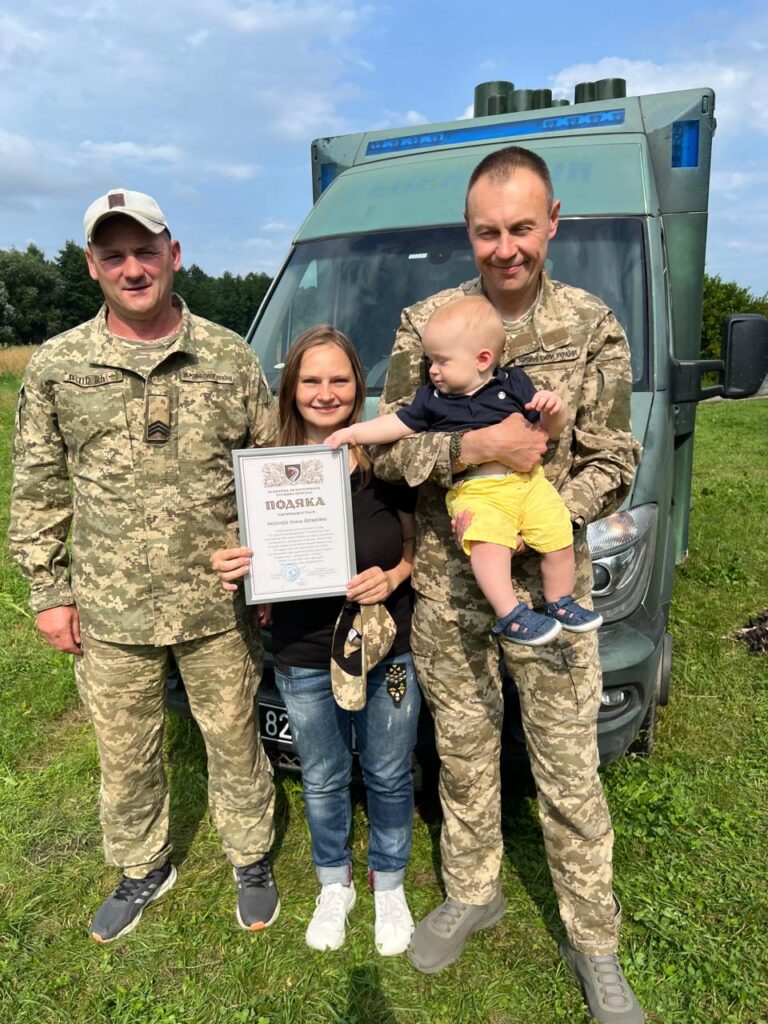
To conclude, I would like to return to the theme of our project, The Phenomenon of Ukrainian Volunteering. You have been part of this movement for more than four years. In your view, what is at the heart of this phenomenon? What makes Ukrainian volunteering so strong and resilient, even after so many years of full-scale war?
First and foremost, it is a sense of shared responsibility for the future. I want Ukraine to survive, and I want this difficult ordeal of war not to break our solidarity, mutual trust, and support for one another. I want us not to lose hope, give up, or become disillusioned because of someone’s indifference or aggression. I want people with generous hearts to come together and achieve greater things for the common good. That is why I try to work and live surrounded by people who share these values. I learn from them and draw inspiration from them, and we support one another. There is tremendous strength in that, and it is our shared hope.
I believe it is very important that even when we ourselves are in need, we do not become consumed by consumerism, but instead learn to serve one another, to give, and to share our gifts and talents. I want these efforts to be noticed and appreciated by others, and for them to be inspired to follow that example. Let this “trend” of doing good for one another and volunteering continue to grow, because it makes us stronger on the inside and more resilient in the face of new challenges. So does this network of support.
And today, everyone can do something more than simply taking care of their own family. Weaving camouflage nets or making varenyky, helping elderly people who are alone, or simply holding the door open for a mother with a stroller — all of these things are contributions, ways of multiplying kindness. They also contribute to our own resilience. We need this more than ever amid the constant stream of alarming news.
And for me, this is also deeply personal, because when our son grows up and asks, “Mom, Dad, what did you do for Ukraine during the most difficult time in its history?” — we will have an answer to give him. In fact, even now, he helps me put medicines into boxes, comes with me in his stroller to Nova Poshta, and is absolutely delighted by it. And that is one of the most important contributions we can make to his future.
Translator: Ivan Chepaykin


