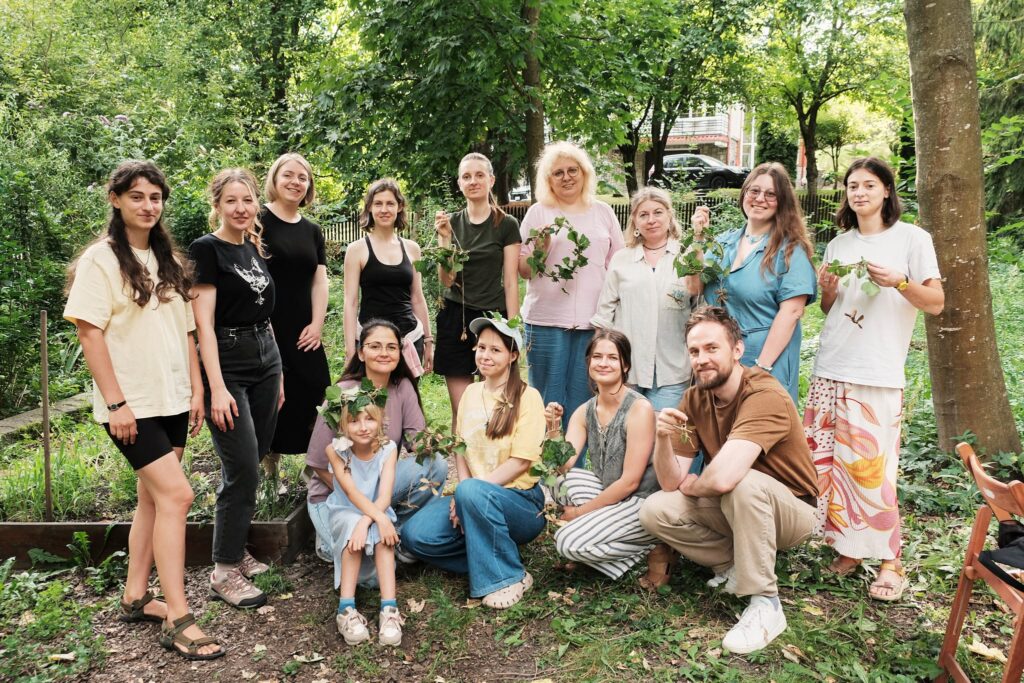
How Lviv’s ‘Rozsadnyk’ was born
In 2021, two Lviv-based NGOs — “Plato” and “Ecoterra” — approached the city administration with a request to provide a site where they could implement and showcase their practices. Of the three locations proposed, they selected part of Zalizna Voda Park, a designated cultural heritage site. Its 1.3-hectare area, open public access and availability of water made it well suited to the concept of a community space focused on gardening and growing vegetables. The project was named “Rozsadnyk” (Translator’s note — “Plant nursery”).
A team of 15 volunteers is authorised to organise non-commercial activities here. All events are therefore free of charge, although charitable collections to support the military and people in need are permitted. All activities are organised and run by volunteers on a non-profit basis.
From an urban legend to the rediscovering the place’s history
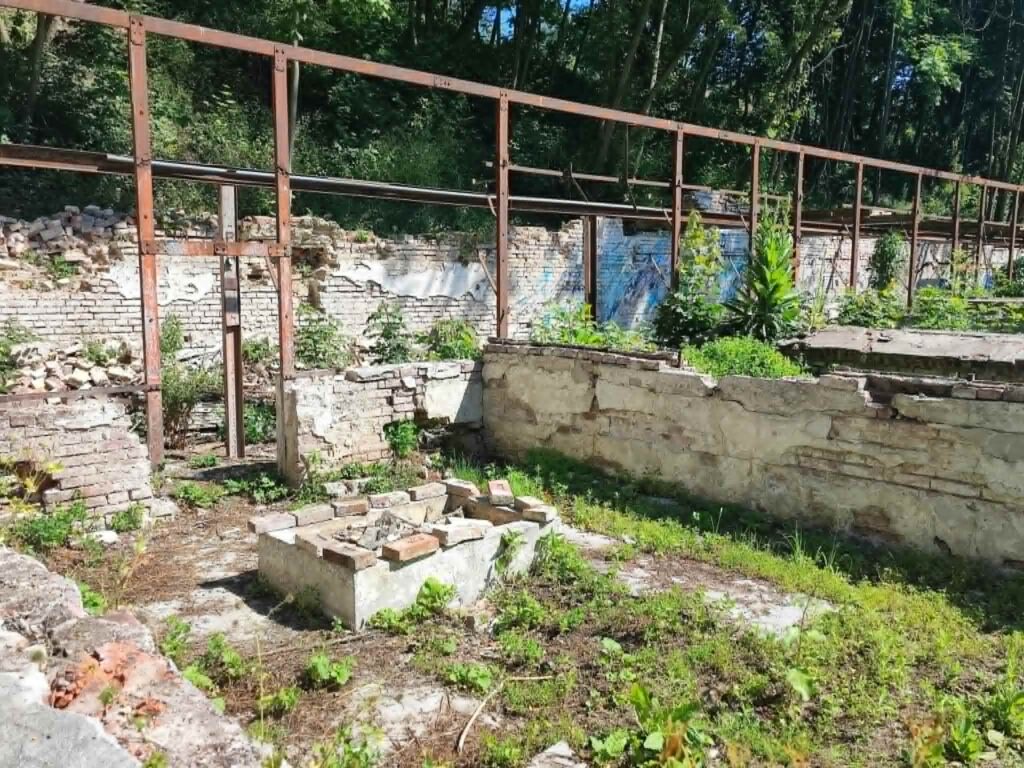
Zalizna Voda Park, where the “Rozsadnyk” space is now located, has a long history. Arnold Rering, a well-known Lviv gardener, came to Lviv from Vienna and established several parks in the city, including Stryiskyi Park and Zalizna Voda Park (1905). According to local legend, Rering also established the greenhouses on the park grounds. This theory is supported by a discovery made by researchers: in the foundations of the former greenhouses, they found seven different types of bricks, including Polish and Austro-Hungarian ones. Volunteers searched the archives of three countries — Ukraine, Poland and Austria — for evidence to confirm this theory, but so far without success. However, the possibility remains, so the search continues — with the aim of uncovering another chapter in the history of the park.
The creation of an urban garden
During the Soviet era, the greenhouses housed a large-scale flower-growing operation, which went into decline after the collapse of the Soviet Union in the 2000s, unable to withstand the economic challenges of the time. In 2014, the structures were officially decommissioned, the fence was removed, and the space began to develop on its own. For example, almost all the trees here are self-seeded, as the site had been left largely undisturbed by people for a long time.
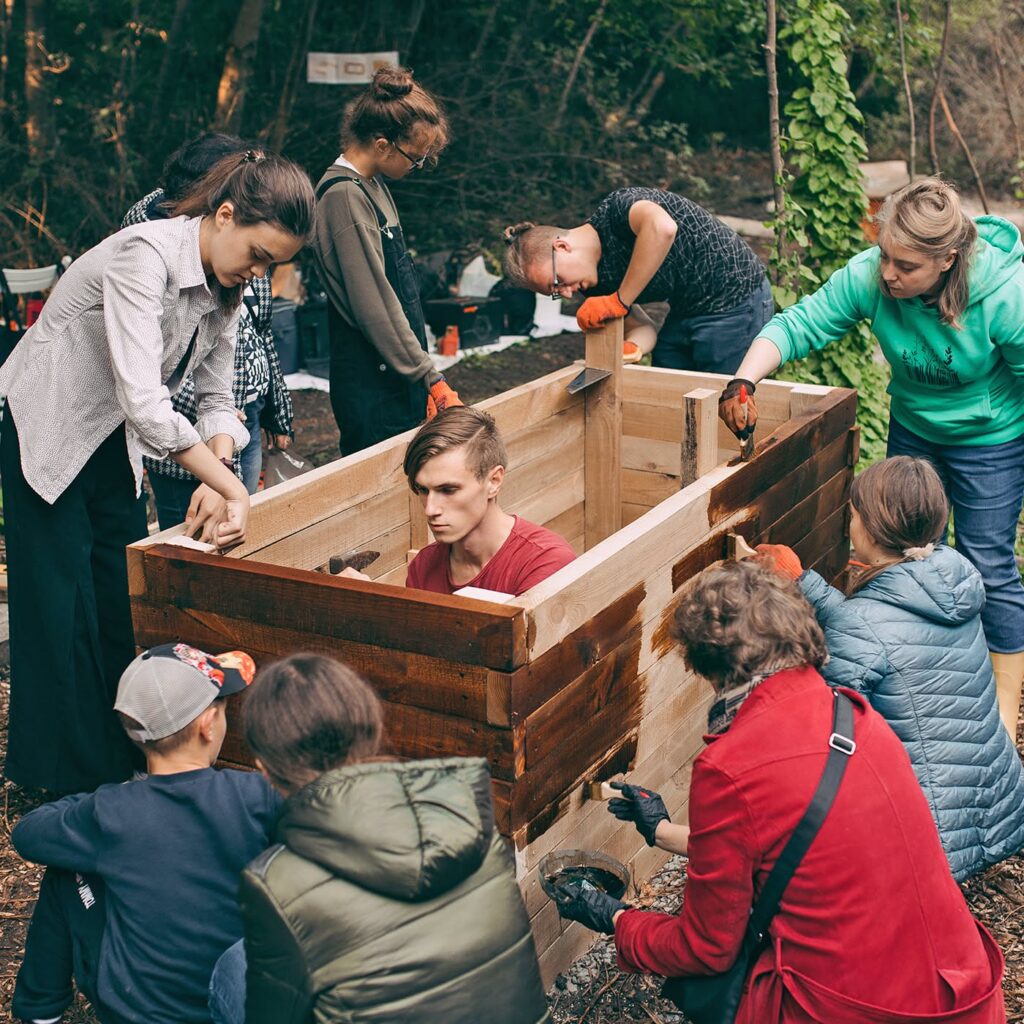
It all began with a large community clean-up, attended by around 60 people, who cleared the site and removed 15 truckloads of various waste, from household rubbish to tyres. Since the space was envisioned as an urban garden, the first step was to build two large raised, insulated beds. In November 2021, with the first snow already falling, another 15 such beds were installed for growing vegetables.
The team also developed a content strategy and branding and planned to launch the project in March 2022.
Working together as a way of bringing people together during wartime
However, Russia’s full-scale invasion changed not only these plans but also the team’s entire focus. The environmental volunteers decided: who needs an urban garden now, when there are much more urgent things to do? During the first months after 24 February 2022, they turned to other forms of volunteering, transporting paintings, belongings and other essential materials.
In early April, friends and acquaintances began contacting them, including people from the environmental sector who had relocated from Kharkiv, Dnipro and Mariupol: “When can we come and plant something? Let’s do something together!” So they organised a community clean-up.
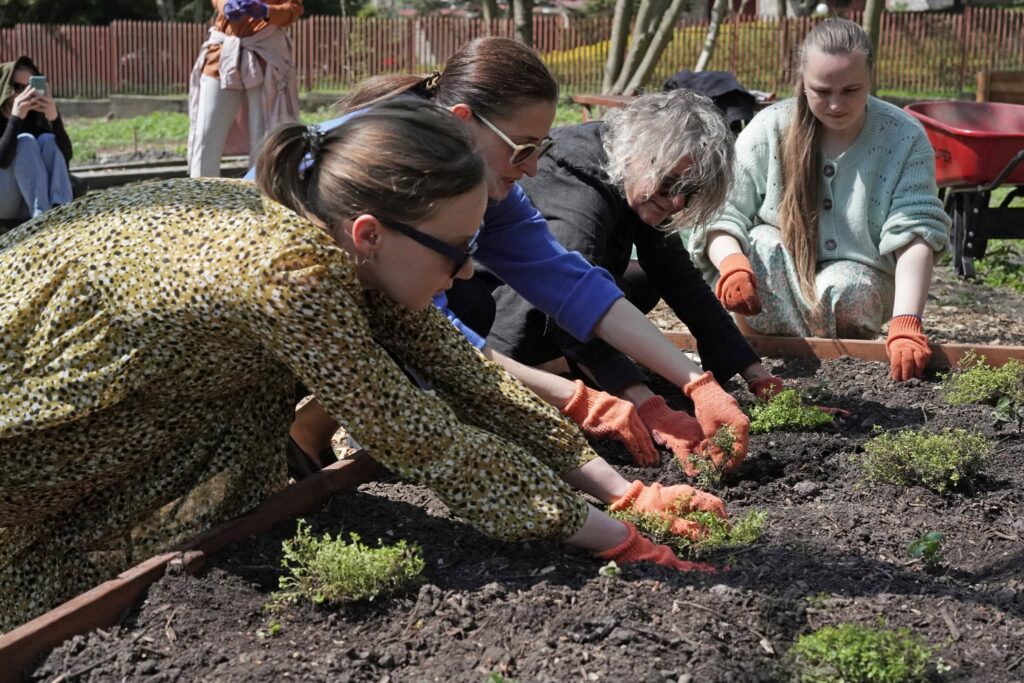
Almost 100 people came to the clean-up, most of them having moved to Lviv because of the war. They explained that in a new city, it was difficult to make new friends straight away, find a social circle, and figure out what to do with themselves. Here, everything was simple: you were invited to clean, plant and work with your hands.
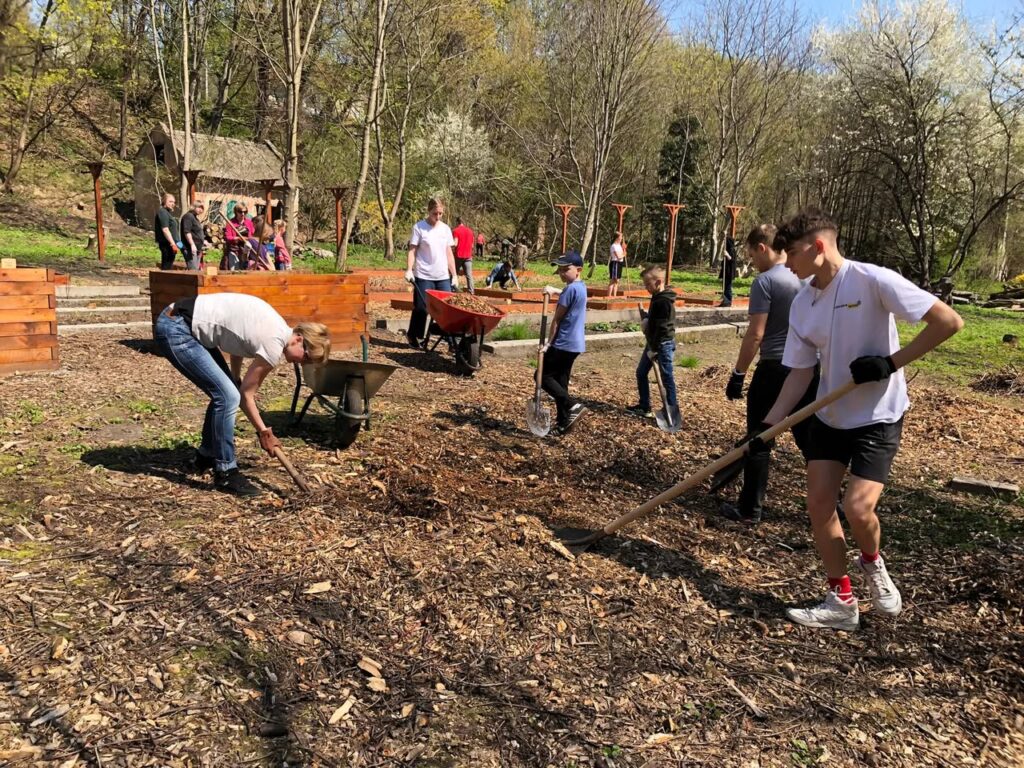
These simple activities done together helped people get to know one another and feel that they belonged. Even when meeting someone for the first time, there was always something to talk about — plants, gardening or whatever you were working on together. Gradually, a community began to form around the space.
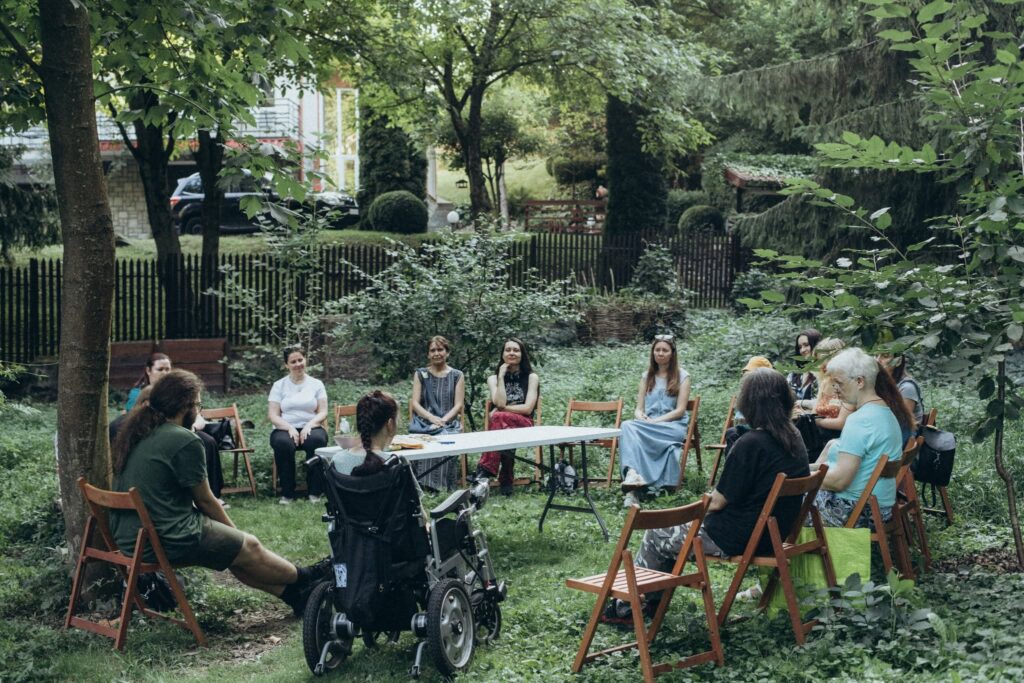
The first two seasons were primarily about socialising — creating a space where people could meet, talk and spend time together. In the third season, the team decided to build on this interaction and add a practical element. This led to the creation of the Urban Gardening Club, where professional gardeners share their knowledge and practical experience.
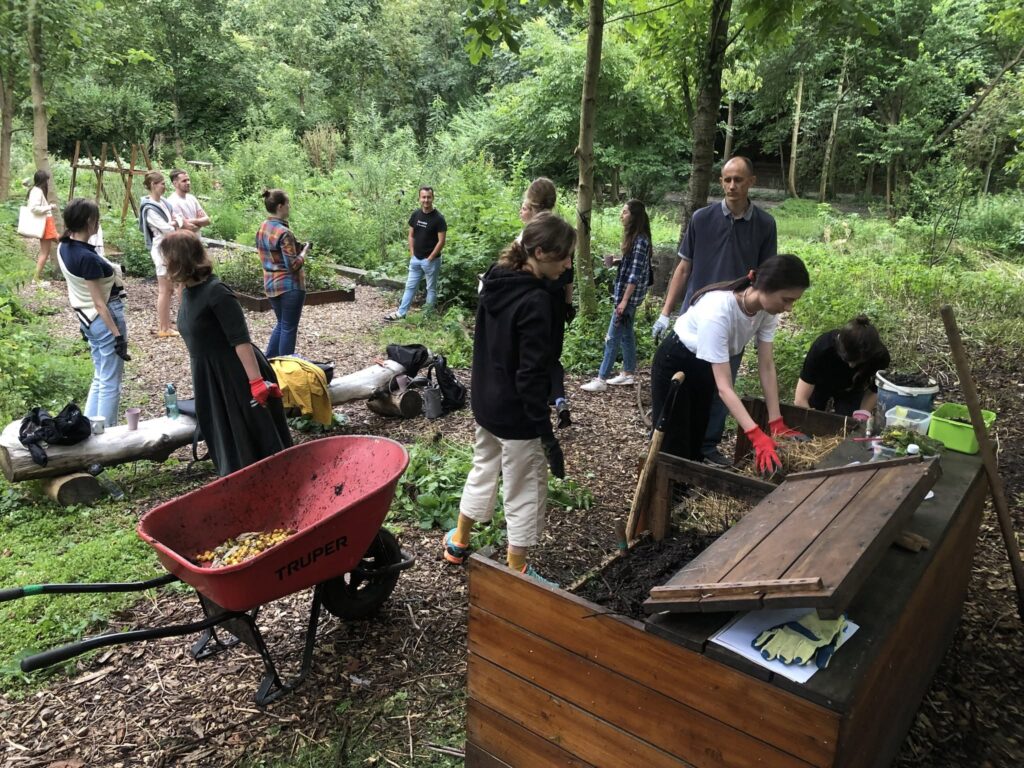
Last year, the Green Bank project was launched, providing small shrubs, propagated plants and succulents free of charge to urban initiatives. In just one year, around 1,000 plants were given to homeowners’ associations, schools and kindergartens.
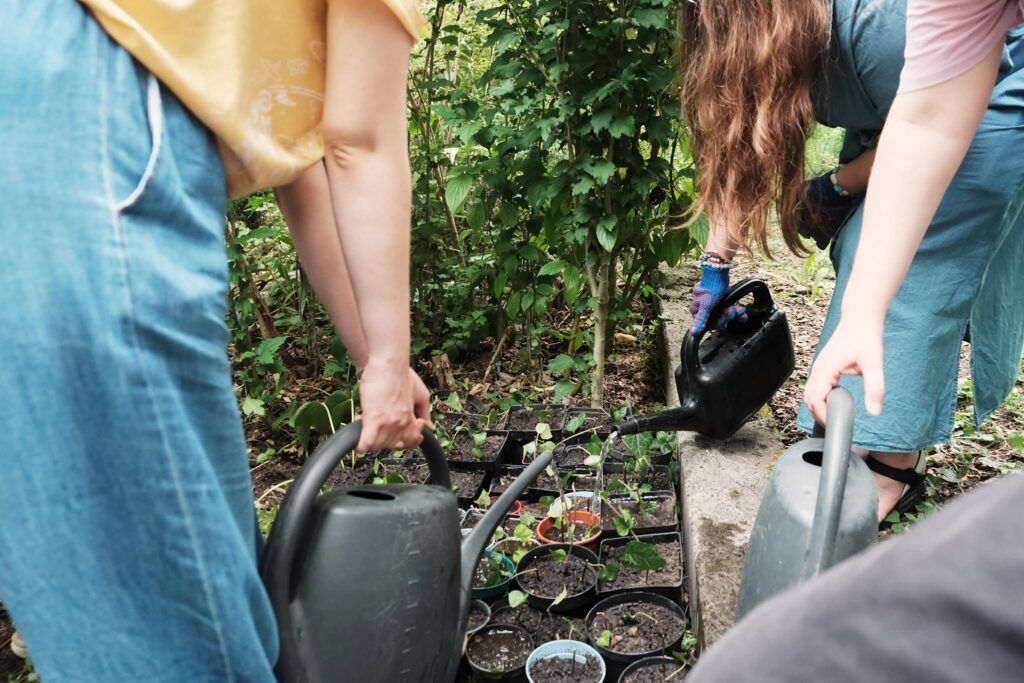
Another area the team has been actively developing is environmental education. For example, they installed composters to demonstrate in practice how organic waste can be properly managed in an urban environment and turned into a useful resource.
A new area of focus — therapeutic horticulture
Over the past year, the team has been developing therapeutic horticulture as a separate area of work. The idea came from something one of the visitors said: “In your space, I feel that I have control over at least something. I came here, planted something, watered it, watched it grow — and I can see the result.” This made the volunteers think about how to develop this experience into a fully-fledged area of work — helping people interact with nature in ways that can support their mental and physical recovery.
At first, they experimented with different formats themselves, but did not call or present them as therapeutic horticulture, as this requires appropriate training and work according to established protocols.
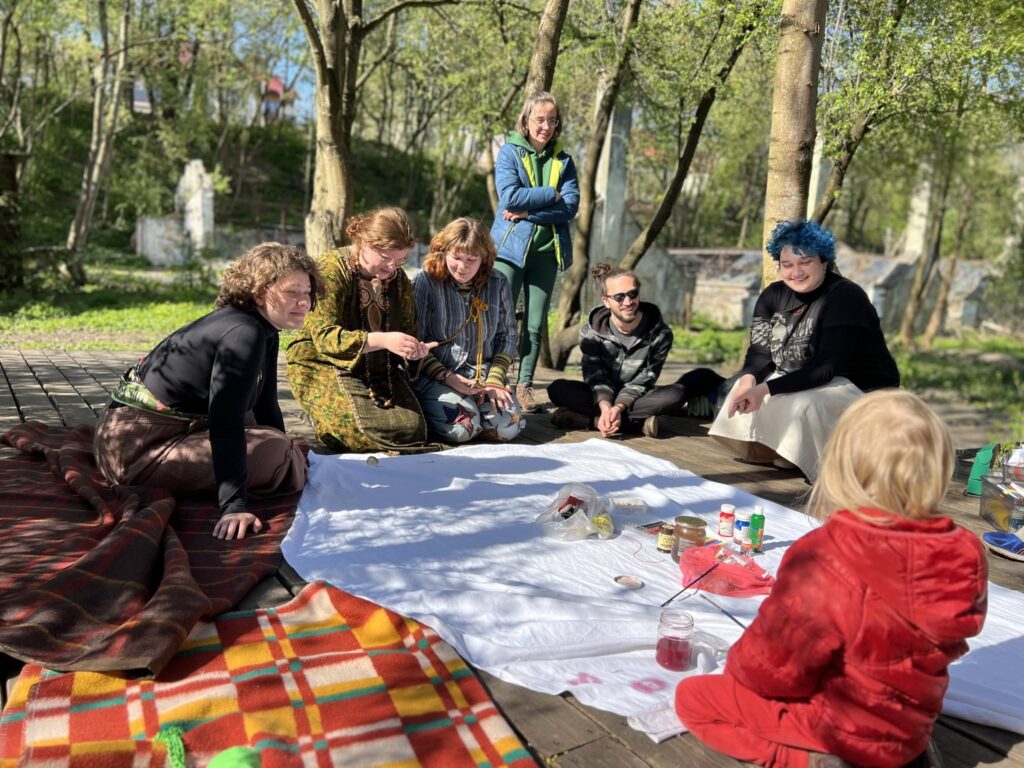
About two years ago, Julia Thiessen, a volunteer from Canada, joined the “Rozsadnyk” team. As Julia herself puts it, it was her heart that motivated her to come to Ukraine. She knew she wanted to volunteer and was looking for a place where she could make a meaningful contribution. According to her, one of the distinctive features of volunteering in Ukraine today is the opportunity to contribute specifically in an area where you have the knowledge, skills and desire to help.
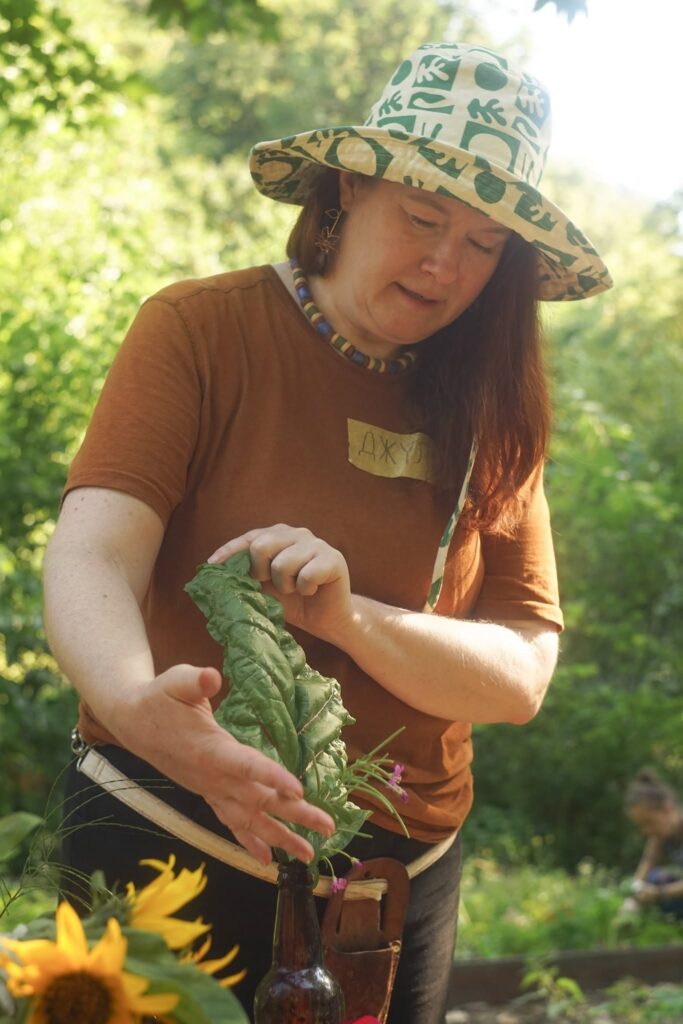
The Canadian volunteer, who has a background in social work, has been working in the field of therapeutic horticulture for more than 15 years. In Lviv, she has already led more than a hundred sessions. Currently, her work is primarily focused on women, although veterans and their family members have also taken part in some of the groups. The team plans to expand its work with this group.
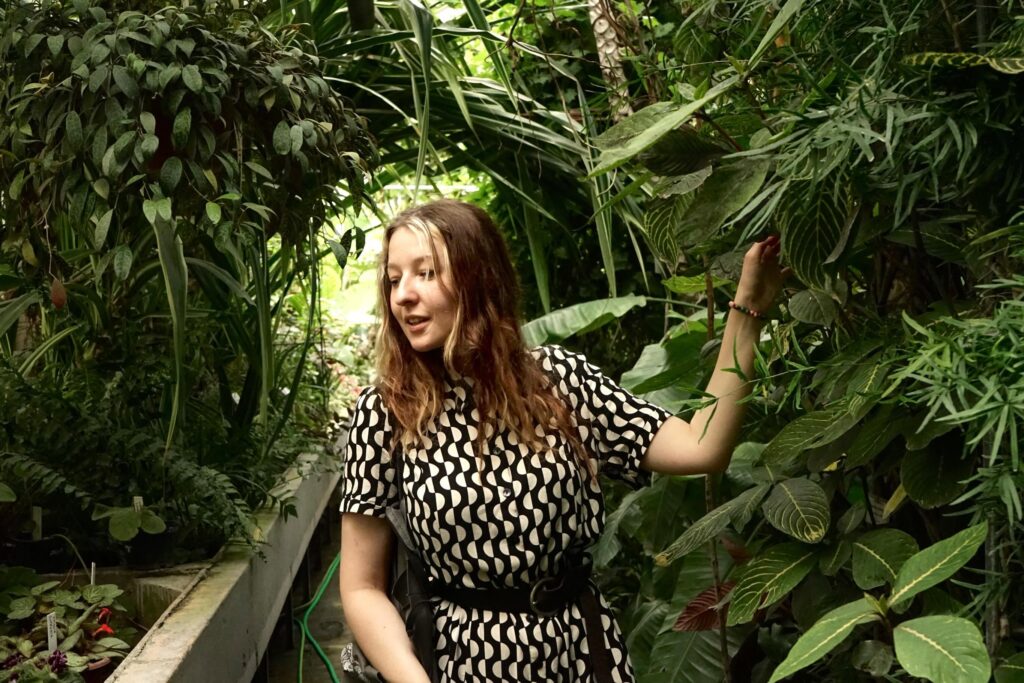
Diana Popfalushi, a representative of the NGO “Plato”, notes:
We have transformed a neglected part of the park into a space that is gradually coming back to life. We are trying to create the conditions to ensure that, at any point, we can hand it over to other organisations or institutions that will continue this work — and perhaps even develop it further than we have. For now, however, our diverse volunteer work continues.
Translator: Zoriana Karpenko


