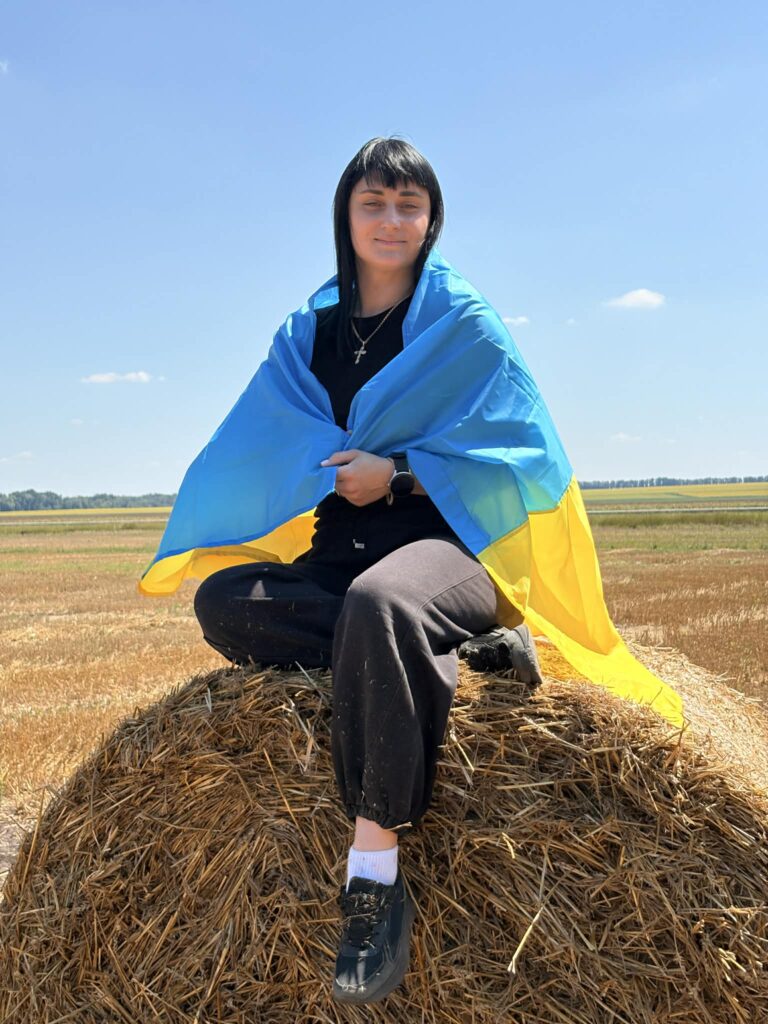
Could you tell us a little about yourself? What was your life like before the full-scale invasion?
Before the full-scale war, I worked as a physical education teacher, ran my own gymnastics studio, and dedicated my life to helping children grow and develop.
February 24, 2022, became a turning point for millions of Ukrainians. What do you remember most about the beginning of the full-scale invasion? When did you realize that simply watching and listening to the devastating news was no longer enough — that you wanted to help Ukraine’s defenders?
From the very first day of the full-scale invasion, I began writing poems for my son and using them to raise donations for our defenders. Together with my little boy, we personally delivered humanitarian aid to the Donbas region and purchased everything our soldiers needed.
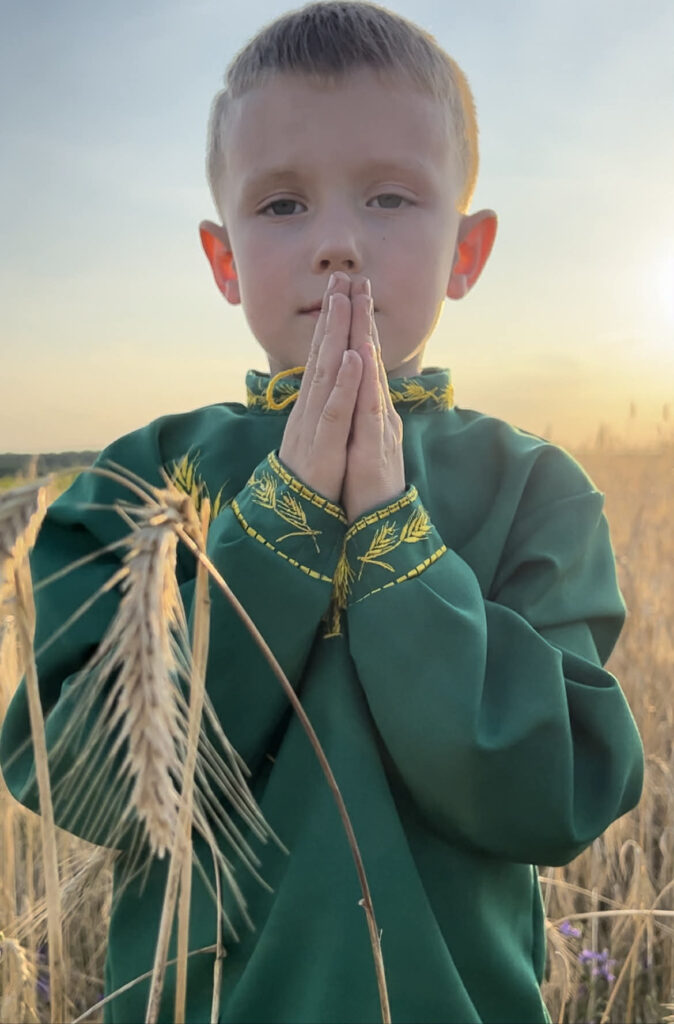
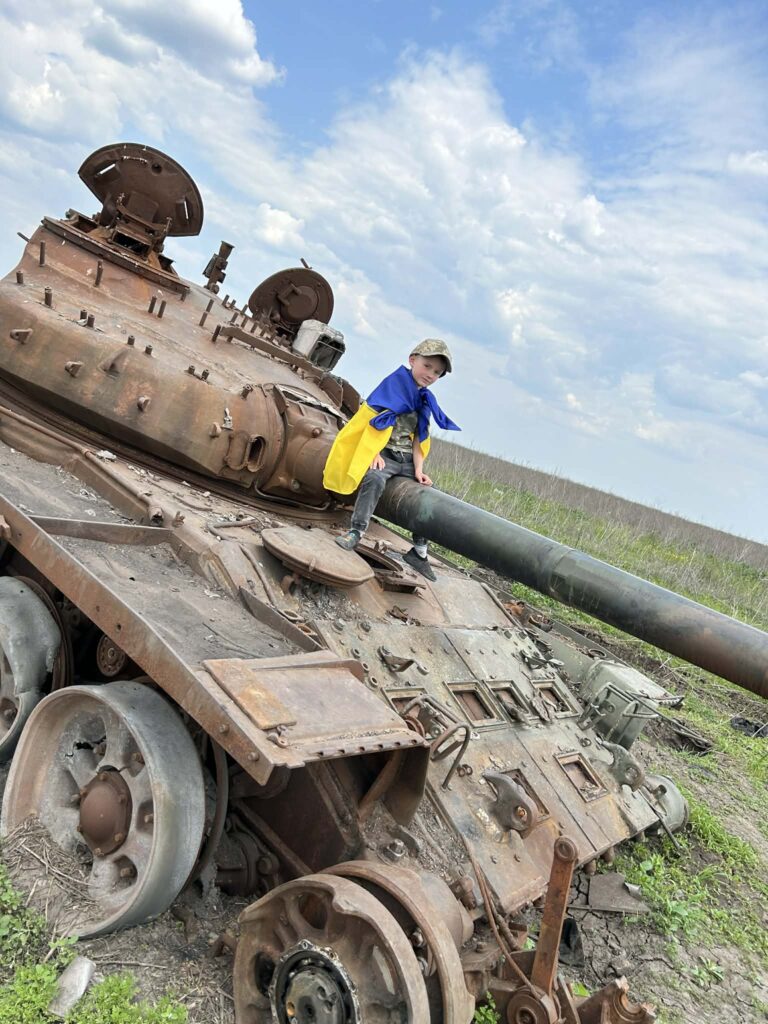
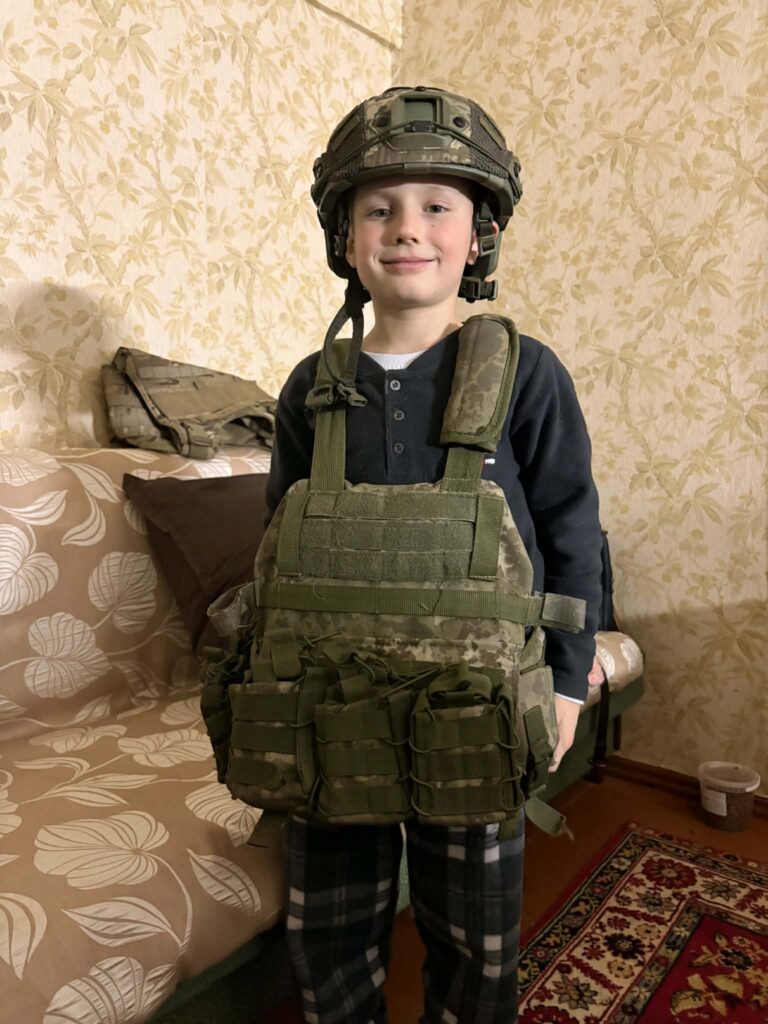
Many Ukrainians know the story of your son, Makar, who has helped raise funds for the military. How has he changed over the years? What is his life like today, and how has the war shaped his childhood?
Makar often asks me to write poems again so he can recite them and continue helping our defenders. But today the scale of our volunteer work has grown so much that I simply don’t have time to write anymore.
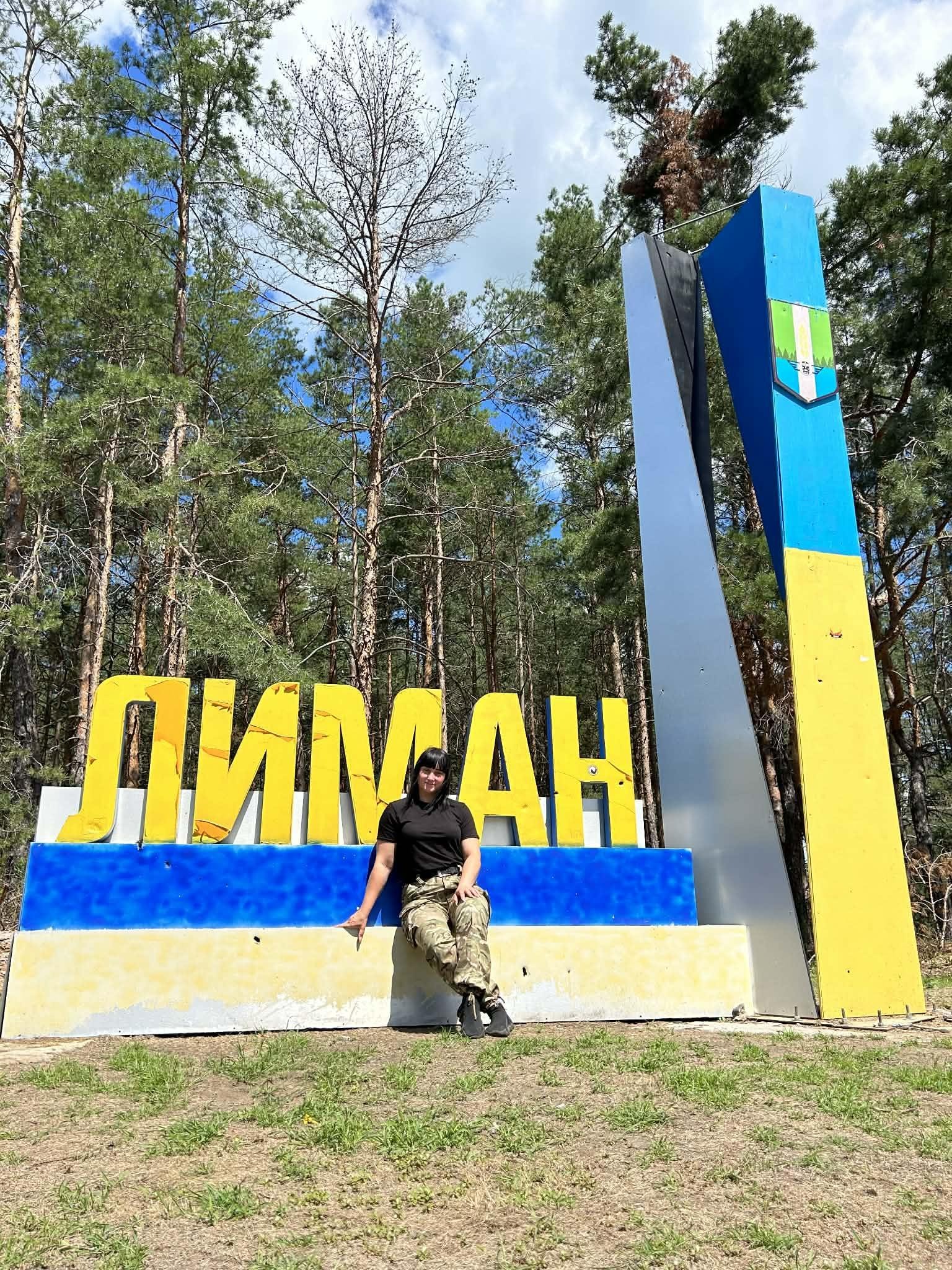
Now my son travels with me to relatively safe cities, helps deliver humanitarian aid, collects military unit patches, and together we’ve organized an exhibition at our local cultural center. Donetsk Oblast has become a second home to me. After my divorce, my son and I moved there because my former husband couldn’t understand why I had devoted myself to volunteering. We loved walking through the local park and spending time there together. Over time, that place truly became our second home.
Over the years, you’ve made countless trips to frontline and recently liberated areas. Was there a moment that became a turning point — one after which you knew there was no going back?
The turning point was my first injury. It happened while I was delivering aid to our defenders. I returned home with shrapnel lodged in my leg to recover, and it was during that time that I realized this was not something I could simply walk away from. That’s when I knew I had to keep helping.
Since the beginning of Russia’s full-scale invasion, you’ve undoubtedly experienced many difficult moments. Which one was the hardest for you? If you’re comfortable talking about it, what has stayed with you the most?
During my years as a volunteer, I lost my family. We had completely different views on the war and what was happening in our country. I even stopped speaking to some of my relatives. They would tell me, “You’re wasting your time. You should stay home and wait to see who ends up in power. Your activities could get us all killed because you’re such a crusader for justice.”
In the end, my social circle had almost disappeared. I realized that I felt more at ease where everything was burning and under fire than I did at home, living an ordinary civilian life.
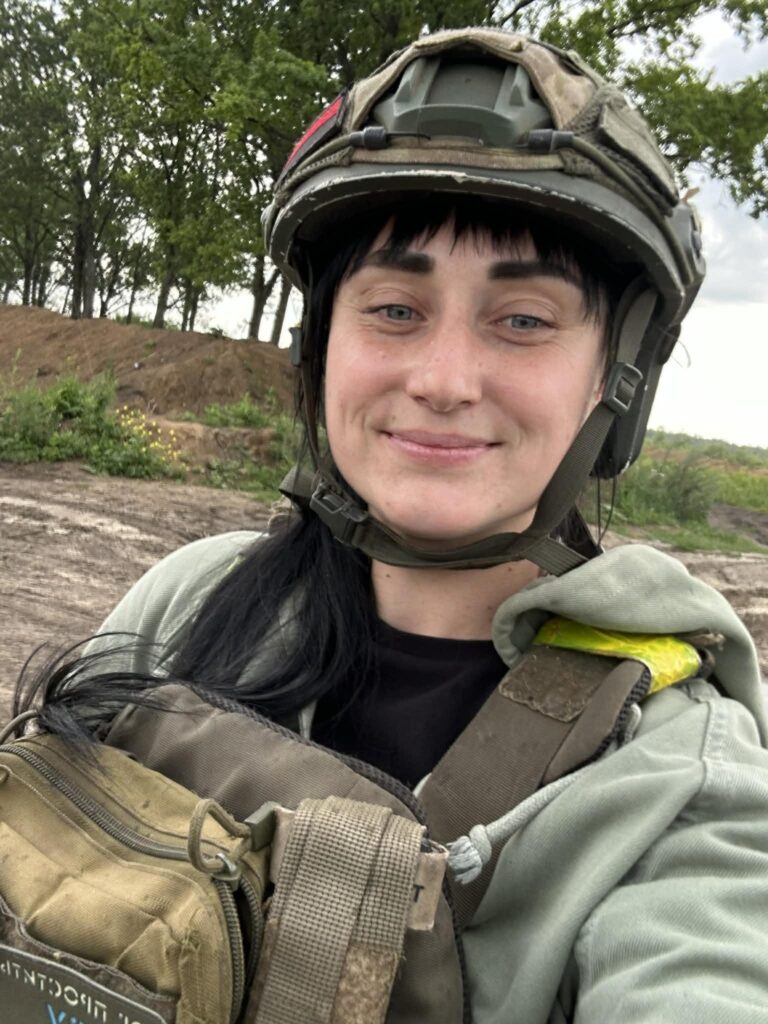
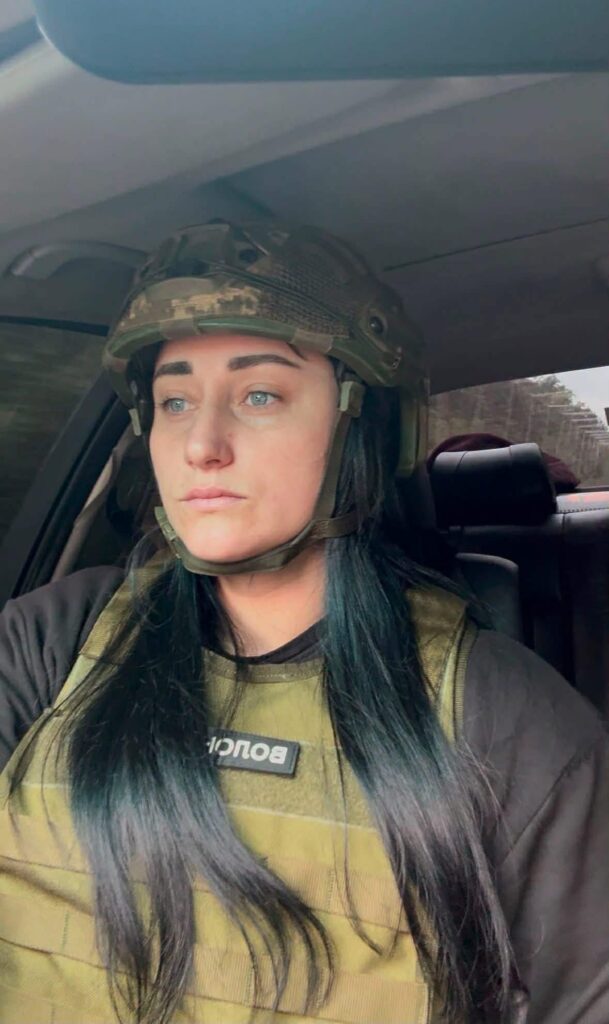
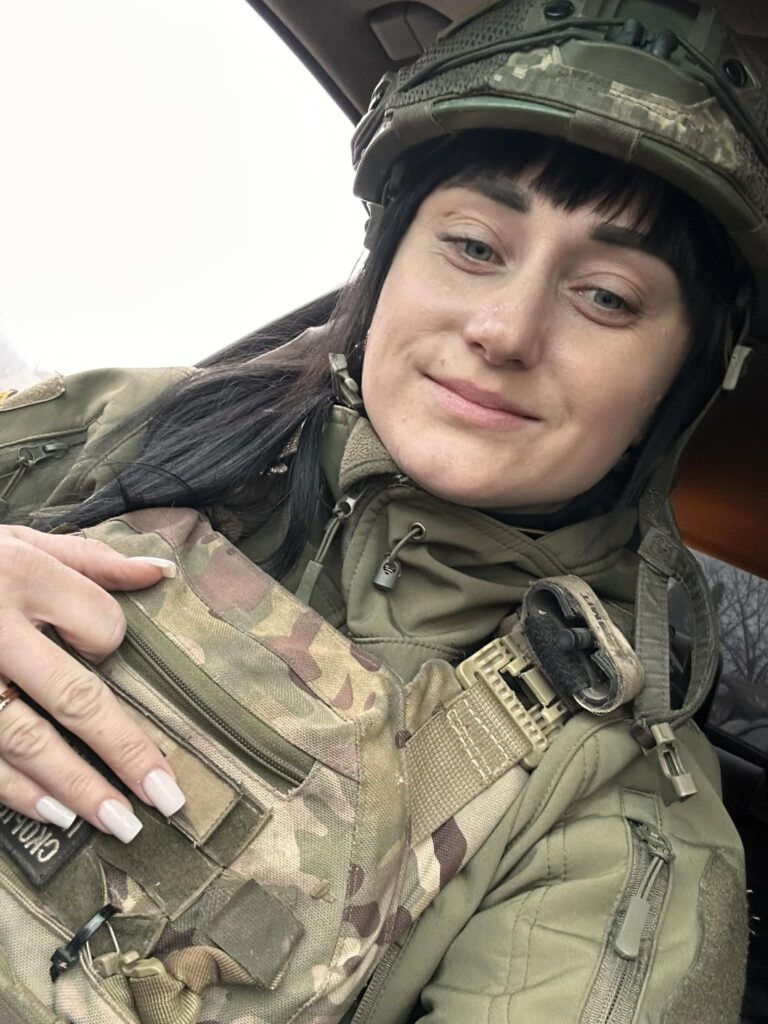
Volunteering for more than four years during a full-scale war takes an enormous emotional toll. What is the most exhausting part of your work today? Are there moments when you feel like giving up? If so, what helps you find the strength to carry on?
After all these years, volunteering is, of course, emotionally exhausting. More than anything, it’s the attitudes and opinions of some people in society that wear me down. There was a time when I seriously considered giving up volunteering altogether and simply making donations instead. I even wrote on social media, “This will be my last fundraiser.”
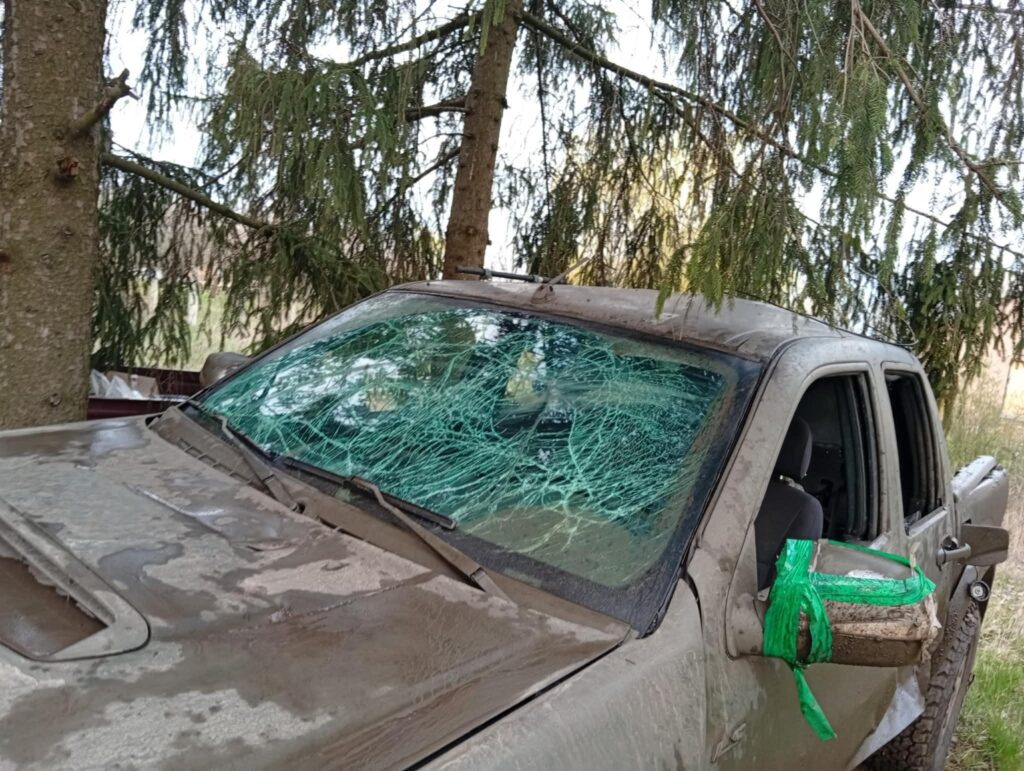
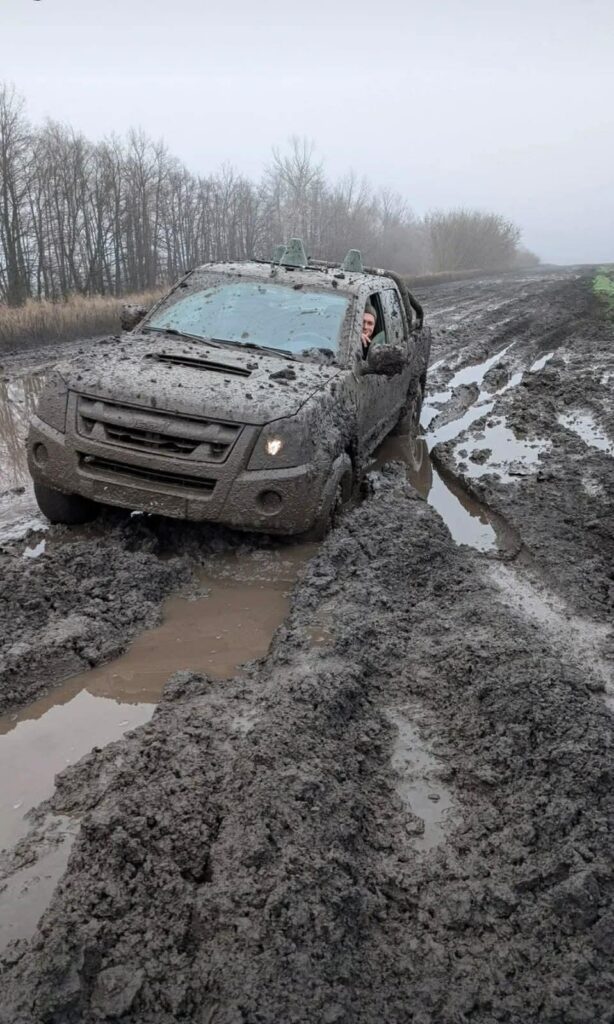
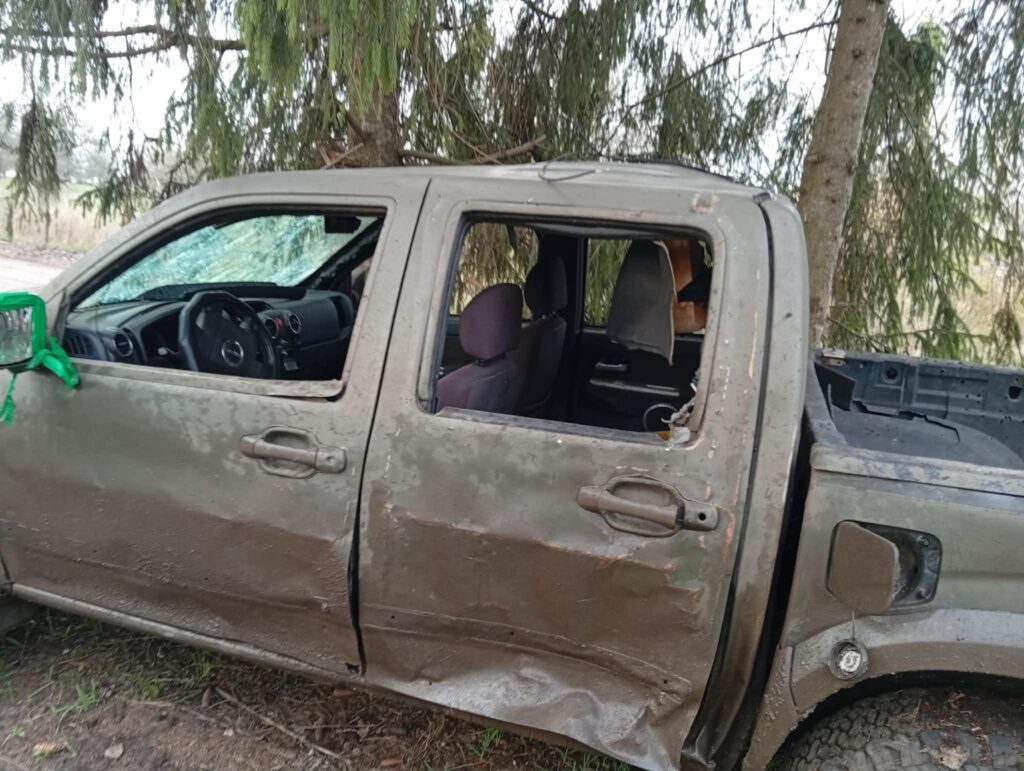
So, we raised the money, bought a vehicle, and delivered it to our defenders. Some time later, I received a message: “Jesus” — that’s what I had named the vehicle — had been wounded. It was left with only three wheels, yet it still got everyone out safely. The soldiers thanked us for saving their lives. After being repaired, the vehicle came under enemy fire two more times. Each time, it once again got our defenders to safety.
After being repaired, the vehicle came under enemy fire two more times. Each time, it once again carried our defenders to safety. It was after that experience that I realized I had to keep going.
Over the years, volunteering has become an inseparable part of your life. How has it changed you as a person? What are the most important lessons you’ve learned along the way?
After my second injury, I realized that I was meant to be here — and that my mission is to help. It was after that experience that I stopped paying attention to criticism or negative comments because no one else can truly walk my path.
What motivates me most is the support of people who repeatedly make substantial donations to support our defenders. I have always maintained an open dialogue with my followers, and they have witnessed every step of my work and my life. They cry with me, they celebrate with me, and many people I had never even met have become like family. Their trust is my greatest source of motivation. I can’t afford to let them down.
In your opinion, how has Ukraine’s volunteer movement changed over the years? And how important was its role in helping Ukraine withstand the invasion, especially during the first months of the full-scale war?
The volunteer movement has changed tremendously. Above all, those who have remained are the people who proved to be the most resilient and adapted to life in this field. Many who volunteered only at the beginning eventually stepped away, while public trust has grown as people have seen the real work volunteers do. With each passing year, the scale of our work continues to grow.
Our defenders often tell us, “If it weren’t for you, the Russians would already be in Poltava.”
Despite all the challenges, you’re not only continuing your volunteer work but also expanding it by launching a new initiative — evacuating civilians. What inspired that decision?
Every week I travel to Donetsk Oblast, where I see firsthand how rapidly the situation is changing and how people continue to live under constant shelling.
That is what led me to launch another area of volunteer work: providing free evacuations for civilians. At the same time, we will continue supporting our defenders. We evacuate people from areas under around-the-clock bombardment, doing everything we can to help them leave safely and take as many essential belongings as possible.
I also work with people who provide free accommodation and help evacuees find employment. Some families have already found housing on their own but still have no way to leave because they have relatives with limited mobility at home.
If someone abroad who knows very little about Ukraine or Ukrainian volunteers were to read this interview, what is the one thing you would want them to understand?
There is one thing I want people abroad to know: defending the land where you were born is a matter of honor. This is not only a fight for our land — it is also a fight for the right to be free and to have our own voice.
I love Ukraine so deeply that I would be willing to die for it because there is no better place for me to live. If I were given the choice between leaving and living a life of comfort and prosperity or staying here, taking up arms, and fighting until the very end, I would choose the latter.
Because home is where I belong — and it’s worth defending.
Translator: Ivan Chepaykin


