The history of the modern Donetsk region has deep roots intertwined with the history of the Ukrainian people. Despite the attempts of Bolshevik and now Russian authorities to alter and erase the Ukrainian identity of the region, at the beginning of 2014, during the pro-Russian uprising known as the “Russian Spring,” Russian occupiers faced resistance from the pro-Ukrainian movement in the very heart of the region – Donetsk. These protesters were courageous individuals who, despite the threats to their lives, stood up for their beliefs and fought for the Ukrainian future of their native land.
During the Soviet occupation, the territory of the modern Ukrainian Donetsk region served as the industrial and political center for both the USSR and the birth of the anti-Soviet and pro-Ukrainian movements. On January 14, 1989, the first mass public and political organization in the region, the Donetsk Taras Shevchenko Ukrainian Language Society, was created to revive Ukrainian culture and language in the Donetsk region and reproduce Ukrainian statehood in the future.
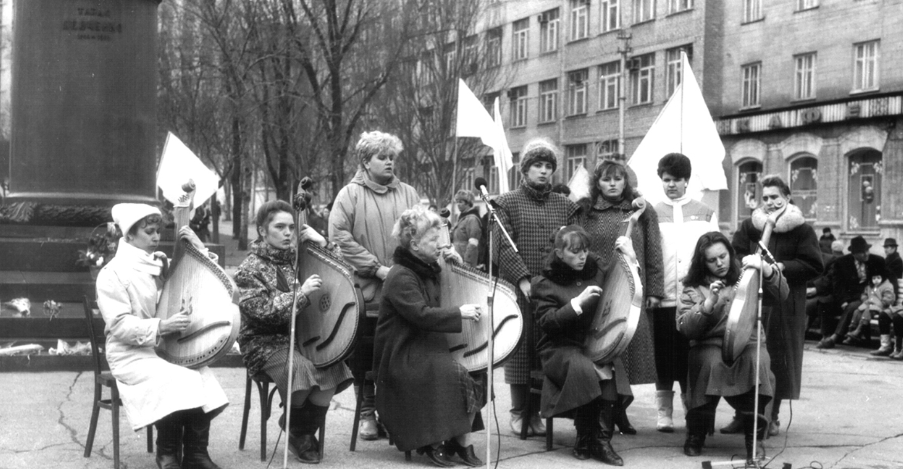
The Donetsk branch united Ukrainian men and women from different regions of the country and had many supporters among the local intelligentsia, educators and other residents of the region.
Galina Leonidivna Gordasevych (1935 – 2001) was a co-founder of the Donetsk Society of the Ukrainian Language, and actively fought for Ukrainian independence and the development of Ukrainian language and culture. At the age of 16, she was detained by the Soviet “NKVD” authorities on a fabricated case and accused of collaborating with the Ukrainian underground. She was sentenced to ten years of imprisonment under Art. 54-10 of the Criminal Code of the Ukrainian SSR for “counter-revolutionary activity”.
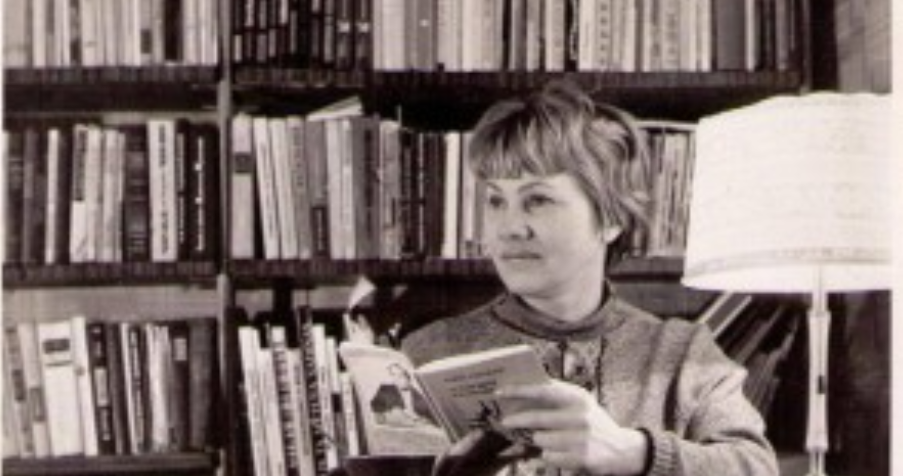
After her release, she continued her activities in the city of Stalino (old name of modern Donetsk), where she graduated from a school for working youth and received an education. There she began her editorial career working in the Donetsk regional press department, and from 1984 she worked as a writer and translator. A few years later, she continued to actively build the pro-Ukrainian movement in the Donetsk region and, together with other activists, created the Ukrainian Language Society. She became a member of the organizing committee for the creation of the People’s Movement of Ukraine, and its activities played an important role in the preservation and development of Ukrainian culture in the Donetsk region.
Her colleague, Gomza Yaroslav Yuriyovych (1927-2011), was also one of the members of the society, who continued pro-Ukrainian social activities even under pressure from the Soviet authorities. At the age of 18, he was arrested by the Soviet penal authorities “Smersh” and sentenced to 10 years in prison for “distribution of Ukrainian press and books and pro-Ukrainian activities” in the Organization of Ukrainian Nationalists (OUN).
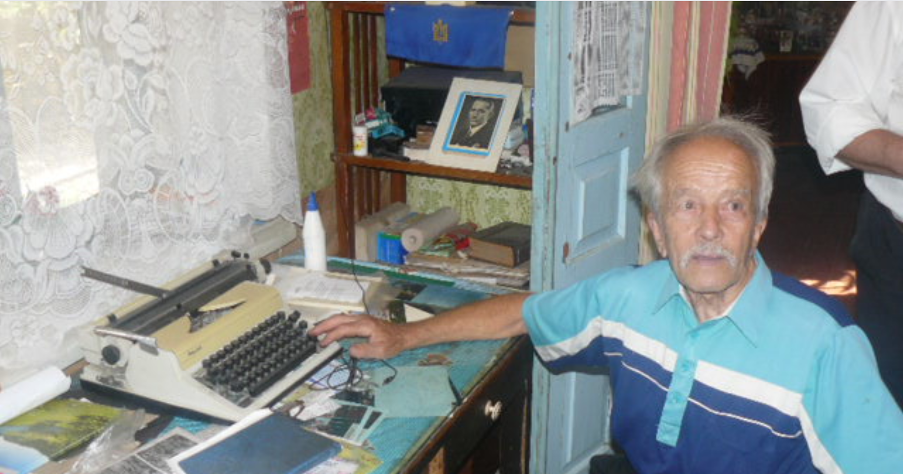
After living in one place for 10 years, a man and his parents moved to the Donetsk region. There, he continued his work with various pro-Ukrainian organizations, one of which was the Society of the Ukrainian Language named after T. Shevchenko. He also worked with OUN, engaged in publishing, and campaigning activities. At the age of 62, Yaroslav Gomza was one of the activists who changed the Donetsk region and made a significant contribution to the creation of the Donetsk organization of the Ukrainian Helsinki Union. He continued to communicate with Ukrainian dissidents and writers and worked on the magazine of the political prisoners’ association “Zona”.
Despite the danger and threat to life from the Soviet authorities, these people continued to work on the creation of numerous pro-Ukrainian centers in the Donetsk region. These centers carried out cultural and educational, publishing, agitation and propaganda work, especially during the Velvet Revolution (Czech: Sametová revoluce) of 1990-1991 and the struggle for the opening of Ukrainian-language schools in the Donetsk region.
A significant result of the association’s activity was also a contribution to the restoration of Ukraine’s independence. During the nationwide referendum in 1991, the Donetsk region was one of the leaders in terms of the number of votes in support of the declaration of Ukrainian independence (83.90%).
After the Ukrainian Revolution of Dignity and the resignation of the pro-Russian government of Viktor Yanukovych (Former President of Ukraine 2010-2014), Russia annexed the territory of the Autonomous Republic of Crimea and the city of Sevastopol in 2013-2014. This was followed by the war in the east of Ukraine, including the temporary occupation of the Donetsk and Luhansk regions.
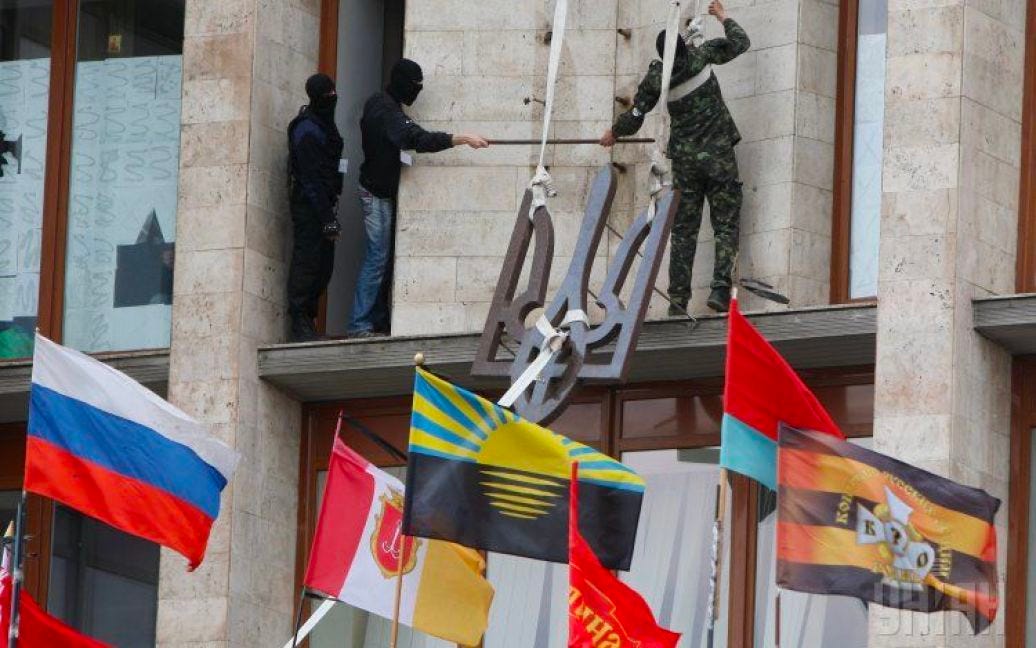
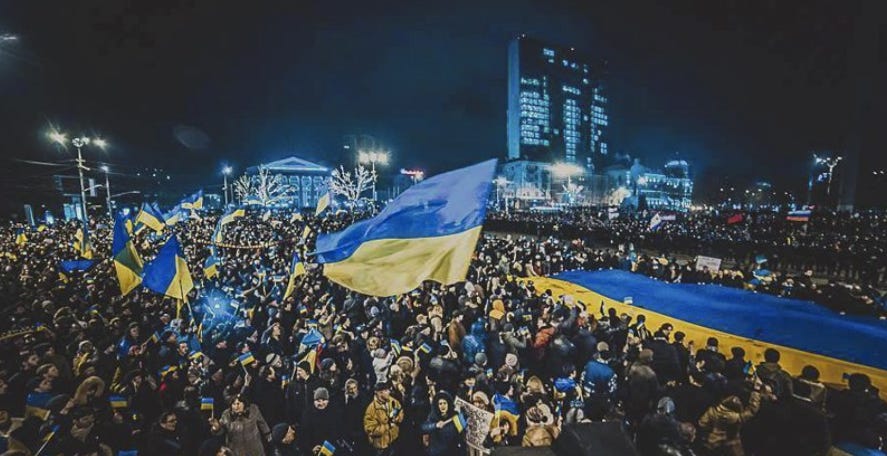
In the first half of 2014, pro-Russian rallies called “Russian Spring” took place in the southeastern regions of Ukraine with the support of the Russian occupiers and collaborators. Donetsk was the epicentre of these events. In response, the residents of Donetsk, along with other Ukrainians, organized a pro-Ukrainian rally called “For a united Ukraine”. The rally gathered more than 10,000 people in the city center.
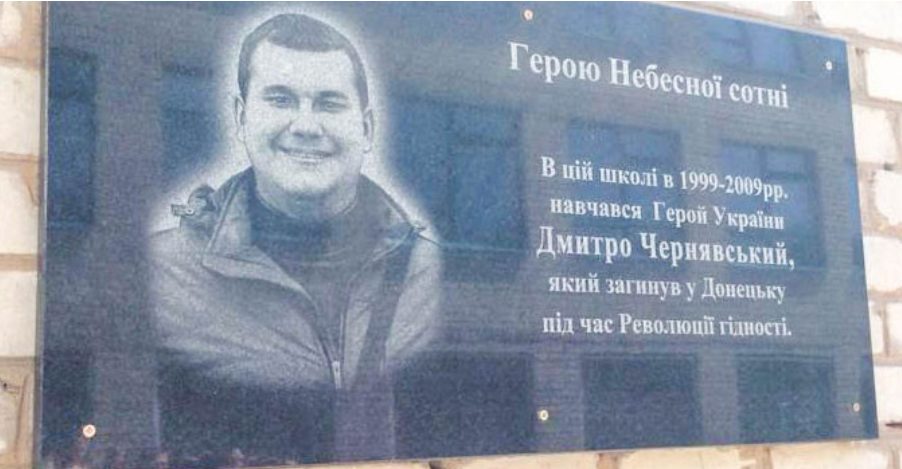
One of the organizers of the pro-Ukrainian actions was 22-year-old Dmytro Oleksandrovich Chernyavskyi, a Euromaidan activist who joined the action’s defence group in order to protect people from aggressive pro-Russian “activists”. At that time, pro-Ukrainian activists in Donetsk had already gathered several times and organized actions, including a Ukrainian march through the central streets of the city.
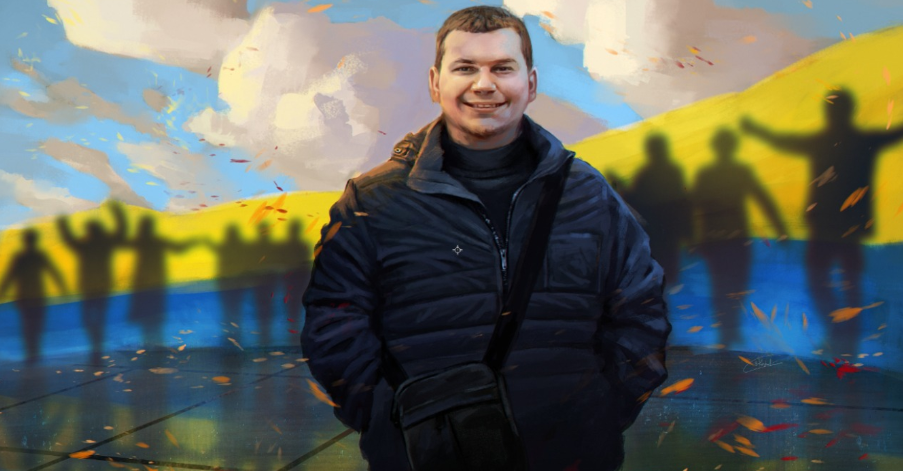
On the evening of March 13, 2014, during one of the skirmishes with pro-Russian mercenaries and collaborators, Dmytro was attacked and died from stab wounds. He was buried in Donetsk. Hero of Ukraine posthumously. It became a symbol of the struggle of the Donetsk region against the Russian invaders.
In 2013, Oleg Sakayan travelled from Horlivka to Kyiv to support the Revolution of Dignity. By March 2014, after the Russian invasion of eastern Ukraine began, he actively participated in pro-Ukrainian actions held in Donetsk.
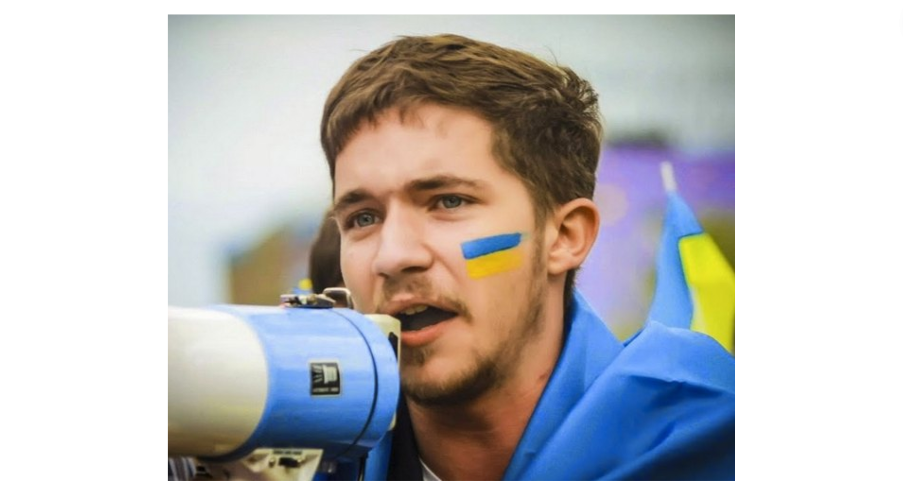
At that time, pro-Russian collaborators and occupiers had already seized control of the Donetsk Regional State Administration (Ukrainian: Донецька обласна державна адміністрація) and were continuing their terrorist activities in the city. Simultaneously, local Ukrainian activists began organizing demonstrations, and Oleg was among them.
“I met Diana, Katya, and Bohdan Chaban. I told them: ‘Something must be done. Shout ‘police with the people,’ create a space between us and the police, and prevent provocations, because there could be real provocateurs among the people.’ In this way, he tried to provide organization to this spontaneous gathering. In my opinion, it was one of the most significant days in the history of Ukrainian Donetsk as a whole. It was then that Donetsk acknowledged its affiliation with Ukraine.”
Oleg commented on the events of that time for LB.ua.
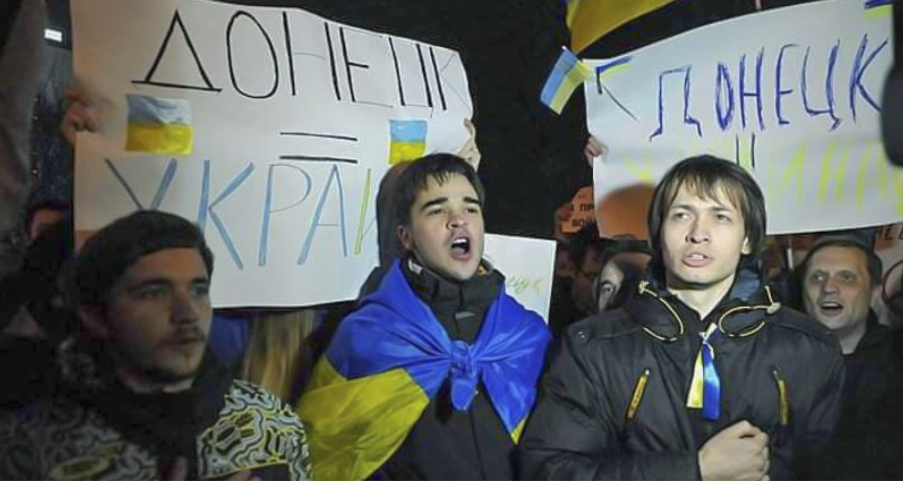
The last pro-Ukrainian rally in Donetsk took place on April 28, 2014. During this rally, pro-Russian collaborators and occupiers brutally assaulted Ukrainian activists, including Oleg. He sustained a head injury and later managed to leave Donetsk for Kyiv. In the subsequent years, after the Russian occupation of ORDLO (The temporarily occupied territory of Ukraine), he continued to work as a political scientist, became a co-founder of the National Dialogue on Peace and Safe Reintegration platform and published materials for the media on the topic of “Donbas reintegration”.
“There is no, and never has been, a separatist movement in the east of Ukraine. This is not a civil confrontation but a military aggression by a neighbouring state, which has a hybrid nature. If you think otherwise, feel free to move on – this article is not for you!”
Oleg’s comment for the Ukrainian Pravda material.
Iren Rozdobudko was born on November 3, 1962, in Donetsk. Irene graduated from the Faculty of Journalism at Kyiv National University. She began her career at the Donetsk branch of “ТАРС-РАТАУ” as a telegraph operator and later worked at the multi-circulation office of the Donetsk Metallurgical Plant, where she served as a journalist and radio announcer.
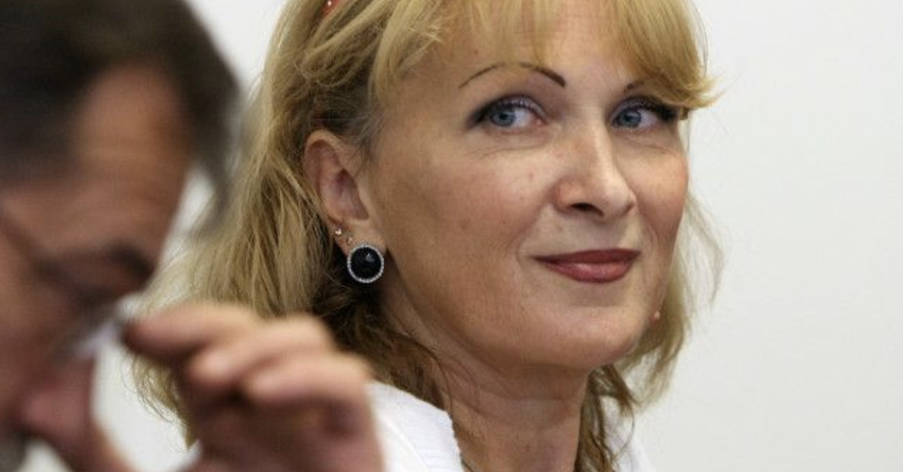
Despite stereotypes about Donetsk as a “historically Russian-speaking city,” Irene has been writing exclusively in Ukrainian since the beginning of her career. In 2015, a reporter from “BBC NEWS Ukraine” asked her a question:
“You moved from Donetsk to Kyiv at one point. What would you say to the current displaced people who had to leave there, fleeing the conflict?”
With her response, Irene demonstrated determination and confidence in her public stance, saying:
“I have many friends who are in the same situation. I also meet compatriots in every city who are enduring endless hardships. I tell them that life goes on. These people are true patriots who have lost their homes. As for those who still believe in the ‘DPR,’ ‘DPR,'(Russian Occupation “Republic state” Administration of Donetsk) let them turn to the Bible, where everything is said about treason to the motherland…”
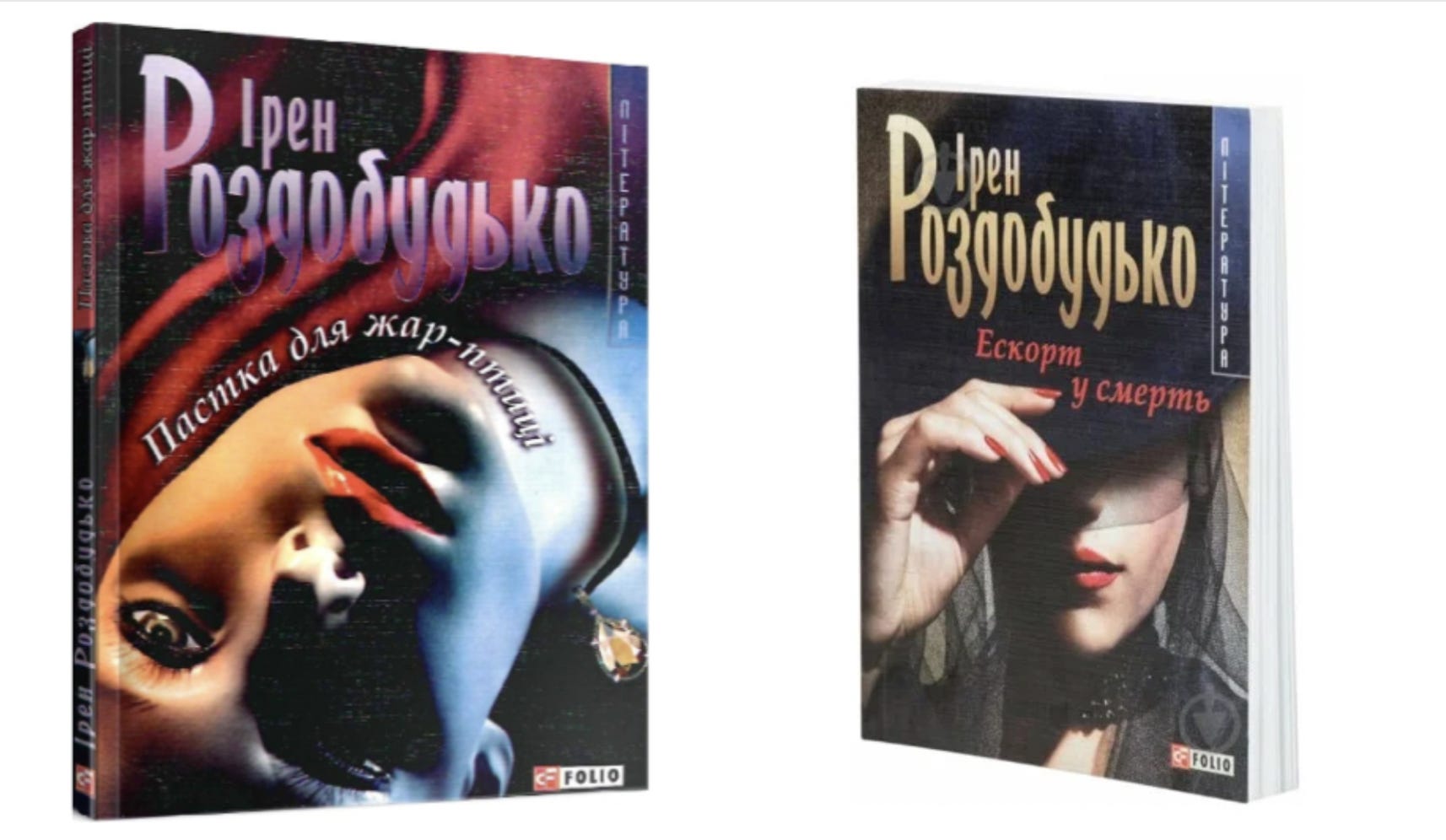
Irene Rozdobudko is also renowned for her literary work. In 1988, she moved to Kyiv, and twelve years later, her first detective novel, “A Trap for the Firebird” was published. The main characters in her novels are women who make difficult decisions, solve life’s puzzles, and actively and independently shape their destinies. The passivity and submissiveness of women in society are antithetical to Irene and her main characters.
It was after the publication of her first novel that the author gained recognition among the Ukrainian audience. “A Trap for the Firebird” won the second prize at the “Coronation of Words” competition. Following that, from 2002 to 2007, the writer created a new novel, “Escort in Death”.
Lyubov Yakymchuk was born in the city of Pervomais’k, Luhansk region. The poetess graduated from the Luhansk Regional Lyceum at LNU named after T. Shevchenko, where she later obtained a university education at the Faculty of Ukrainian Philology. After the Russian occupation of the Donetsk and Luhansk regions, she continued to develop Ukrainian prose and focused on the challenging fate of her native land. In 2015, her second collection of works, “Apricots of Donbas (Lost Horse Press Contemporary Ukrainian Poetry)” was published, earning a place in the “Top 10 Best Ukrainian Books about the ATO” according to Ukrainian “Forbes.”
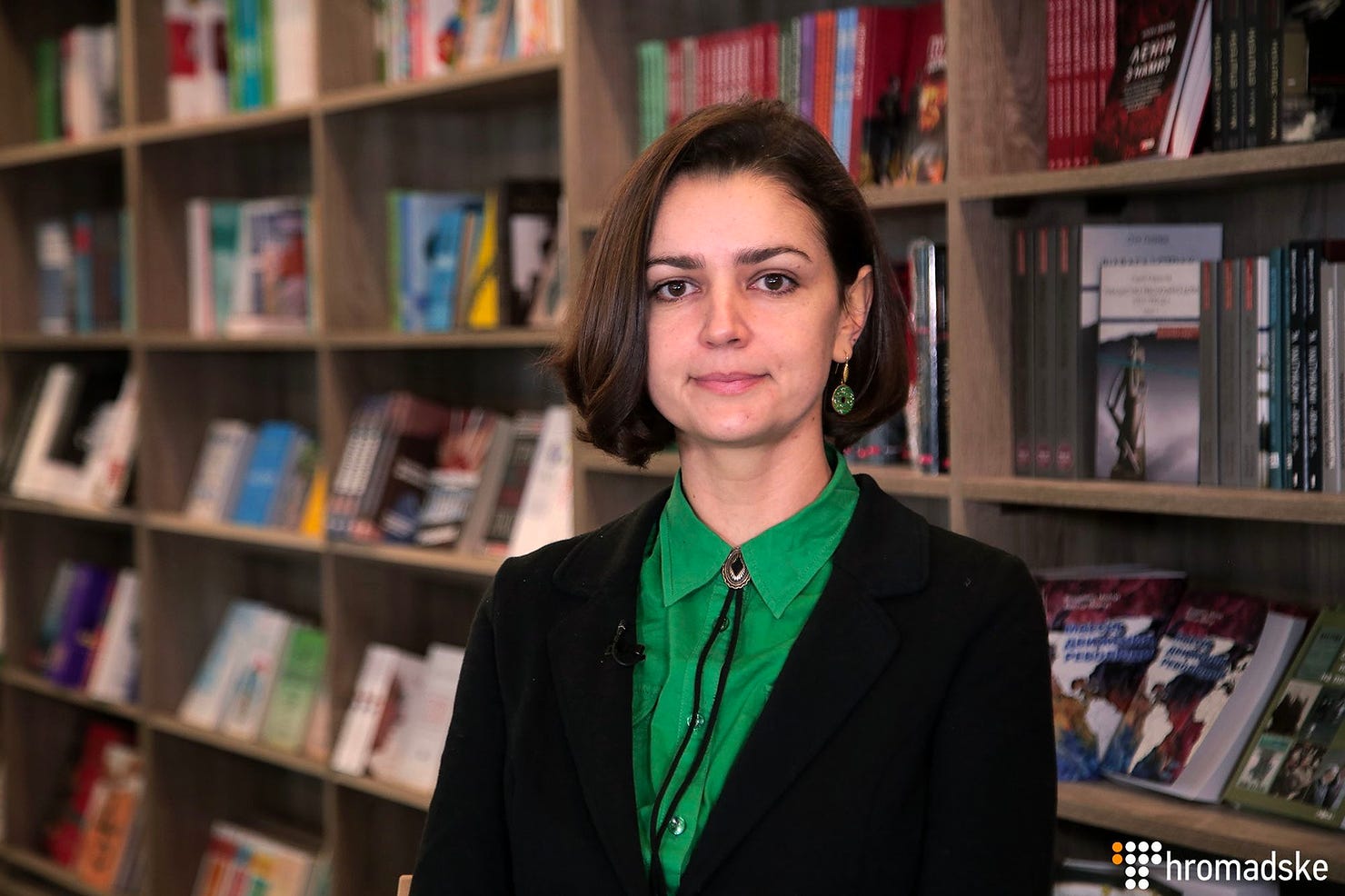
“Apricots hold great significance for our lands. They are abundant, and for a long time, selling apricots helped us earn some extra income. I fondly recall how we collected buckets of apricots throughout the summer, and even into the early autumn, relishing every bite. Even my dog developed a fondness for them. What’s surprising is that apricot trees are vanishing, particularly along the border of Ukraine and Russia. They have long served as a marker of the transition into another country. A few years ago, I penned a poem titled “Apricots of Donbas,” marking the inception of a new theme in my work,”
Lyubov remarked during the poetry collection presentation.
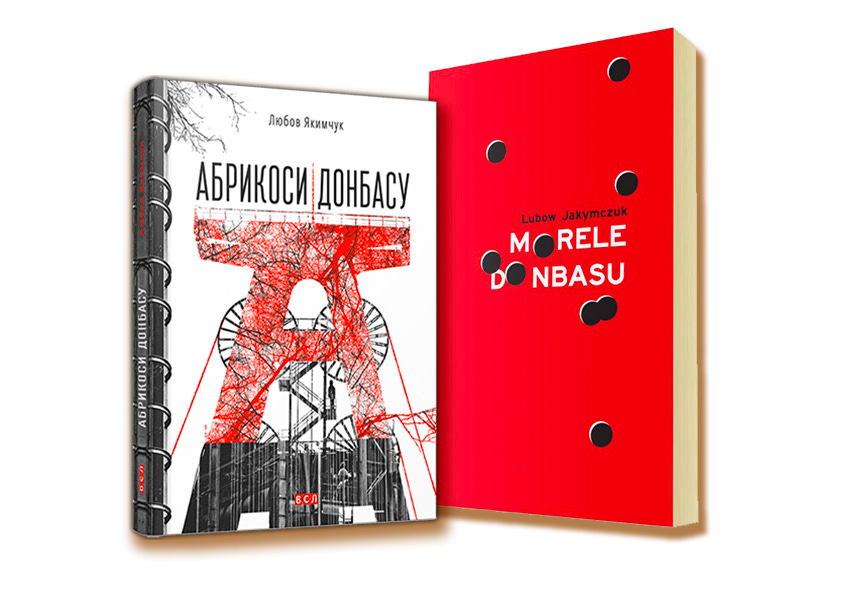
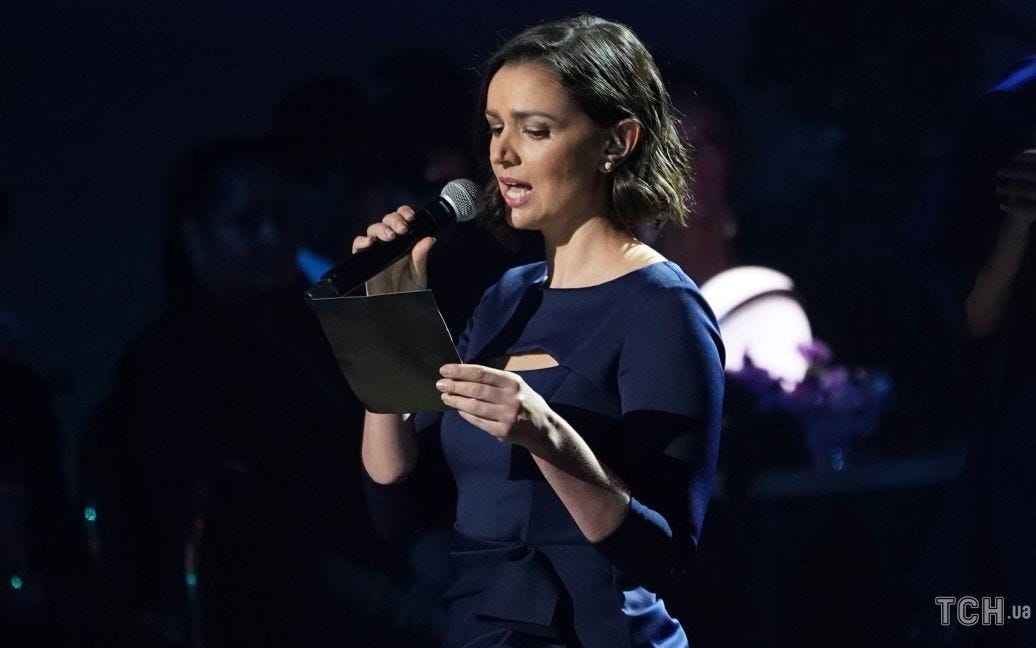
In 2022, Lyubov Yakymchuk recited the poem “Prayer” from her collection “Apricots of Donbas” before thousands of viewers at the Grammy Awards. The Ukrainian poetess was joined by the American singer John Legend.
The authors of the special journalistic project “Donetsk Region and the Pro-Ukrainian Movement, or How the Ukrainian Identity of the Region Was Revived” are journalists Mykyta B. and Alika A.


