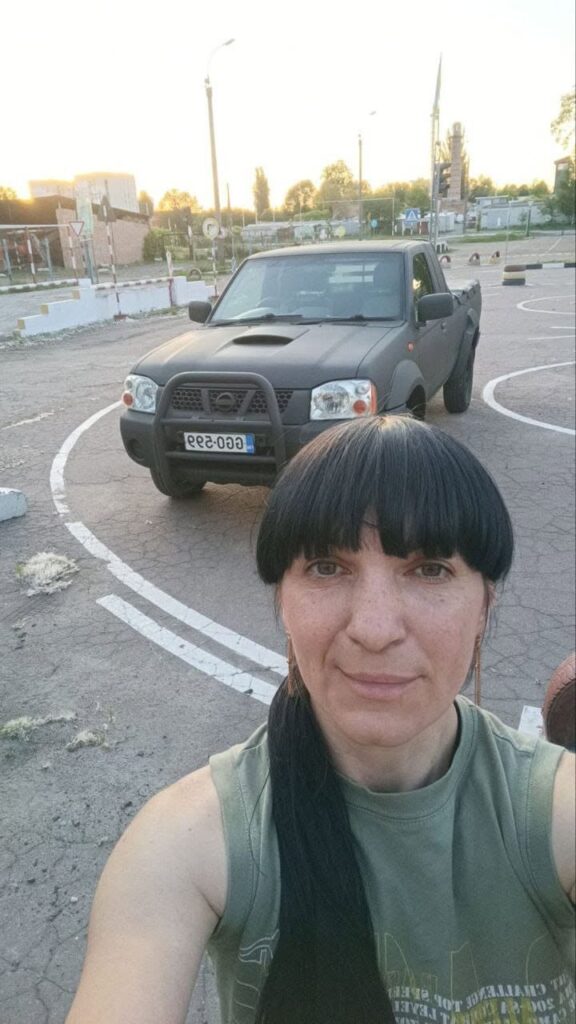
The first trip
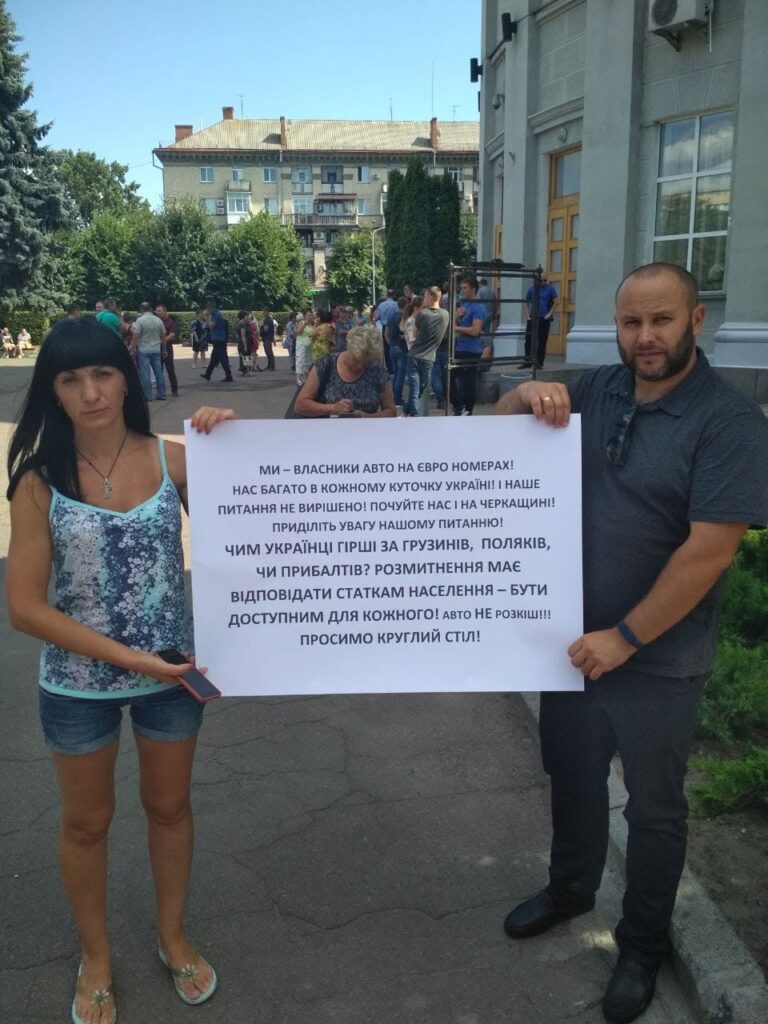
Before the start of the large-scale Russian aggression, Alina ran her own real-estate business in Cherkasy, which she had been building up since 2013. At the same time, from 2016 onwards, she was involved in community work with the all-Ukrainian public organisation ‘Auto Euro Syla’.
Alongside like-minded people, she supported affordable car import clearance for Ukrainians, worked on legislative initiatives, and proposed solutions that would benefit the state budget. According to Alina, this experience eventually led her to where she is today.
«I didn’t believe that large-scale Russian aggression was possible. I realised that the war had been going on since 2014; I wept for the Heavenly Hundred (Editor’s note: Ukraine’s Revolution of Dignity casualties), and I knew that we had temporarily lost Crimea, but I must admit: at the time, it all seemed so far away to me. Unfortunately, the war truly affected me in 2022. On 24 February, I was woken by a call from my brother, who was living near Kyiv at the time, telling me he could hear the first explosions. I was determined to act decisively and without panic,» — Alina recalls.
So she immediately volunteered to deliver meals to the locations where units of the Armed Forces of Ukraine were being formed, as well as to checkpoints and training centres. This marked the start of her daily support for the Ukrainian military: using their own funds, a small team refuelled the vehicles and delivered 600–700 portions of meals a day.
Then, in March, a new request came in – a serviceman asked Alina to help him get his car back from abroad. She was just about to set off when she received a call from Vyacheslav Dzyublyk, head of the NGO ‘Auto Euro Syla Cherkasy’ and now a soldier himself, who told her of another urgent need for the front line – to deliver four cars, purchased abroad, to Ukraine. Vyacheslav knew Alina’s character well and was aware of her ability to ‘break through barriers’, which is why he suggested she take on the task of organising such a trip.
So Alina brought the cars back from the city of Chełm in Poland. The distance wasn’t great, but the challenge lay elsewhere: she had to figure out, through her own experience, how to cross two borders, navigate the specific paperwork requirements in each country, and organise the logistics for five drivers.
«It all started quickly and spontaneously. After the first trip, I never even imagined that this might become my regular job right up to the present day. I went back to delivering meals until I started receiving calls with much more serious requests: no longer just driving a car as a driver, but first finding the right one – based on specific criteria», — Alina explains.
Trust is the foundation of the team
When requests for cars became quite regular, Alina began looking for volunteers abroad who could help her on the ground — acting as her ‘eyes’, translating and assisting with finding and purchasing vehicles. It was important to her that these people shared her views, mindset and desire to help, and above all – that there was mutual trust.
For the first year, she travelled to Estonia and Romania, but was unable to find any permanent partners there. Since 2023, Finland has been the donor country for her volunteer work.
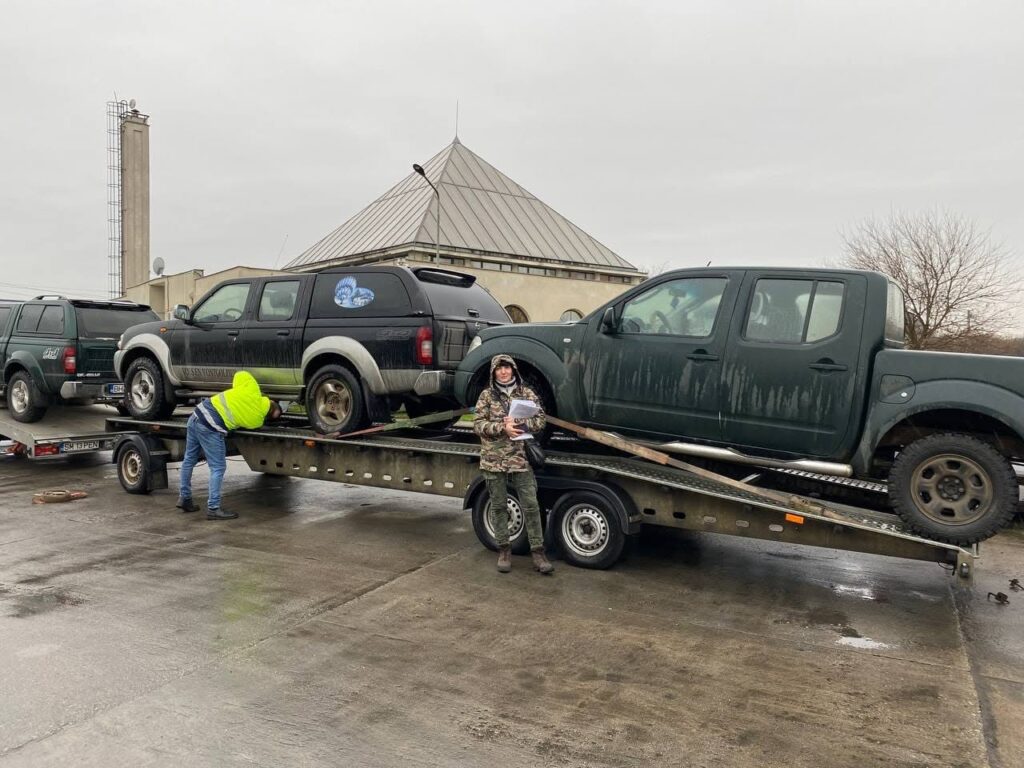
Alina’s foundation does not have standing arrangements with car dealers or bring vehicles into Ukraine “on spec” in the hope of finding a buyer later. Instead, every car brought into the country through the foundation is selected to fulfil a specific request from serving military personnel.
The process starts with analysing the market. Alina needs to know which listings have appeared recently, which cars have already been on the market for a month, what the average price is for the model they are looking for, and whether a particular vehicle is reasonably priced.
Once she has a list of potential options, Alina sends it to her partners in Finland and sets priorities — which car should be inspected first and which ones should be kept as alternatives. When a vehicle is selected for inspection, the volunteer, the serviceman and Alina’s contact in Finland examine it together online. The final decision is always made by the serviceman.
The next challenge is finding drivers in Ukraine who can make the journey. Not everyone is able to travel abroad, and even among those who can, not everyone feels comfortable driving in a foreign country. For many, the unfamiliar roads and different traffic rules are a psychological barrier.
Over the years, many drivers have travelled with Alina’s team. They have come from the Cherkasy, Kirovohrad and Lviv regions. Some made just one trip, while others travelled every month for six months. A few have stayed with the team from the very beginning and continue to travel with them today.
Alina is grateful to everyone who has agreed to make the journey abroad with her, even just once. She understands how much responsibility it involves. First comes a journey of around two and a half days by public transport. Then they have to get behind the wheel of someone else’s car and drive through six countries, including Ukraine.
It can be a demanding journey: rain, snowstorms, black ice, driving at night and, above all, fatigue.
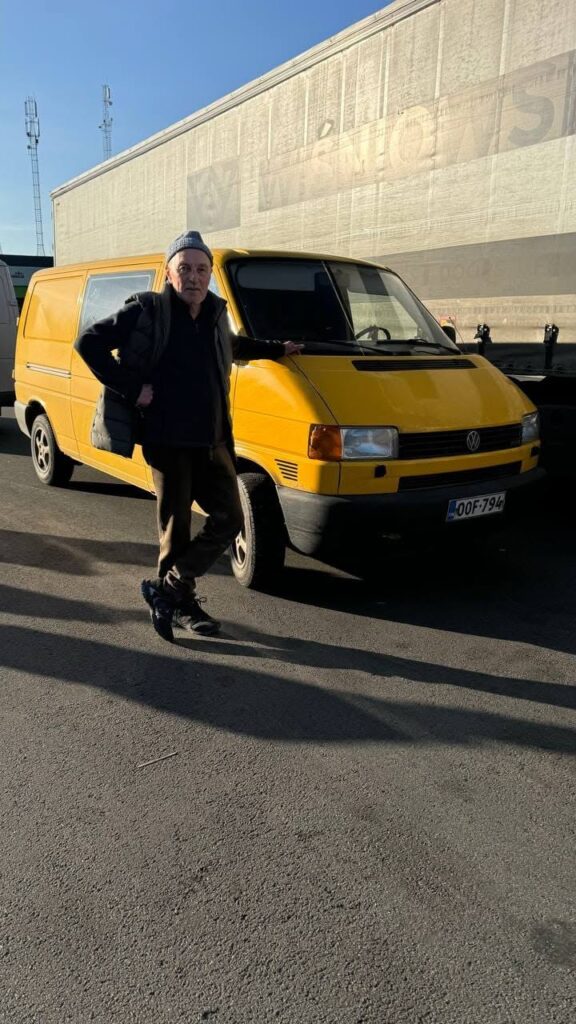
Once the logistics are sorted, the tickets bought and the team assembled, the journey can begin. After three years of making the trip, Alina says she knows the 2,300-kilometre route from Finland to Ukraine down to the last detail. She has gradually fine-tuned the journey to keep costs to a minimum while making it as manageable as possible for everyone involved — especially the drivers, who need time to rest, and the military personnel, for whom every saved hryvnia counts.
«For three years running, I’ve been making the journey every month, and I know exactly what it takes to get to Finland and back. I’ve covered the entire route with my own feet, hands, brain and a few bumps and bruises. I’m 100% a person of action, not theory,» says Alina.
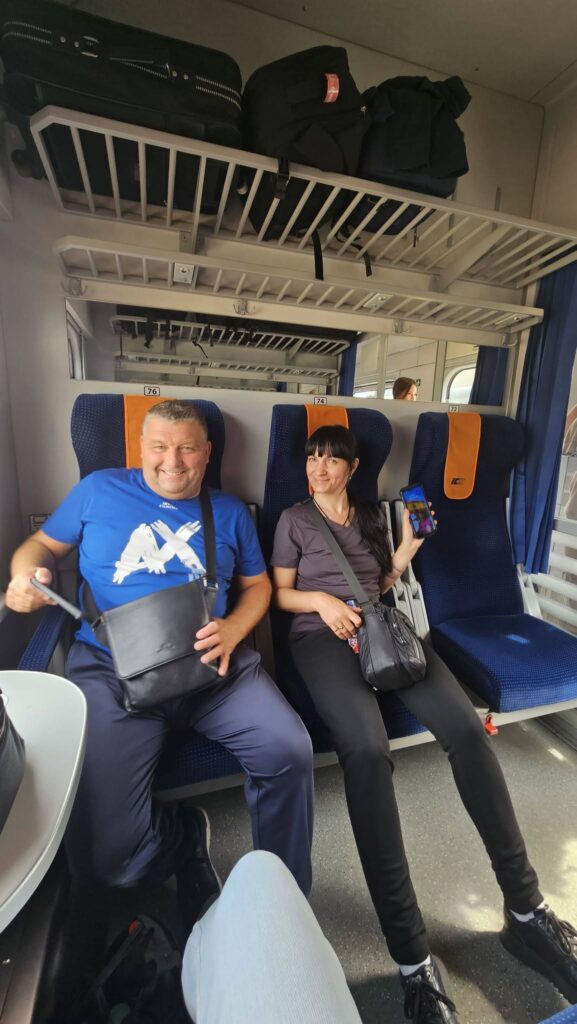
The journey may be over, but the volunteer work isn’t
Travelling abroad and the return journey take five or six days, so everyone comes back exhausted. Afterwards, the drivers can get on with their own business, whilst the team leader prepares the paperwork for handover to the military and organises vehicle repairs. Only in the last year haven’t they been repainted, but between 2023 and 2025 inclusive, Alina and her husband repainted over 80 vehicles.
At the same time, new requests come in and need processing. So one cycle, which lasts a month on average and involves bringing in four or five vehicles, seamlessly transitions into the next: whilst some vehicles are being repaired and handed over to one group of military personnel, arrangements are already being made for others – sourcing vehicles, finalising details and preparing the next trip.
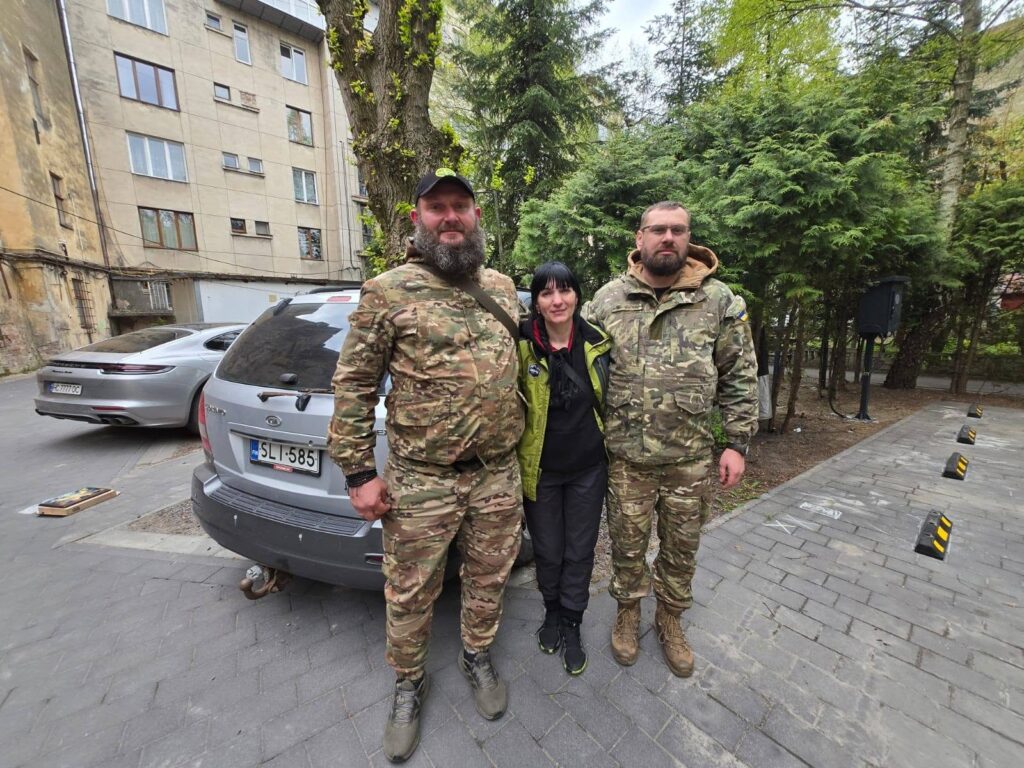
You can only get in touch with Alina through a recommendation, so you might expect people who call her to understand that they are contacting a volunteer. Yet quite often, when she offers to help, the first question she hears is: «How much do your services cost?» It leaves her genuinely baffled and upset.
Perhaps it is simply that people do not fully understand the process or the amount of work involved. So Alina explains that there are costs to cover: the car itself, registration, including temporary number plates and insurance, sometimes an office fee, and reimbursement for the fuel used by the person inspecting the vehicle. Then there are the logistics — the journey to Finland, fuel for the 2,300-kilometre drive back to Ukraine, the ferry in Finland and other expenses. These are all genuine costs, she explains, but they are not an additional “service fee”.
The service itself — searching for and selecting a vehicle, inspecting it, arranging its delivery, communicating with the recipient and providing legal support — is Alina and her team’s voluntary contribution. The exact role varies depending on who is involved in each case.
All of this work is carried out through a trust. In the beginning, Alina worked through a partner’s charity, which consistently responded to requests and helped with the necessary paperwork. Over time, however, she realised that she was ready to take full responsibility for her volunteer work herself. In June 2024, she founded her own charity, «Together We Are Strong, Cherkasy».
From the start of the full-scale war to the present day, Alina’s team has delivered over 400 vehicles to the Ukrainian armed forces: mainly passenger cars, as well as several motorhomes, boats and engines for them.
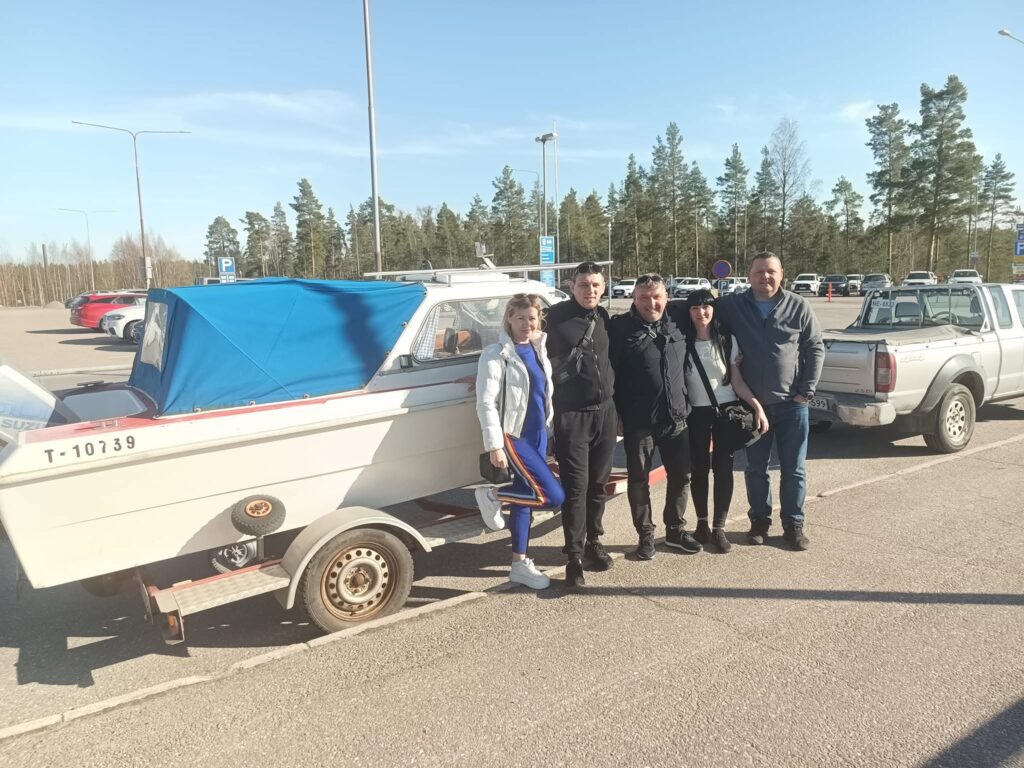
A personal story of a great cause
From the very beginning, Alina’s family knew where she stood: she would either put on a uniform and go to the frontline, or devote herself fully to supporting the Ukrainian army.
Her love of cars, however, goes back much further. It was her father who sparked her interest in them when she was a child. Alina got her driving licence in 2000, passing the theory test before her 18th birthday and the practical test a month later, once she had officially come of age. She began driving regularly in 2015, although at first most of her journeys were short trips for work.
«Long-distance trucking, repairs, service centres, and paint on my hands and in my nose only came with the full-scale invasion, when I tied my life to vehicles rather than real estate,” says Alina. “But now, when someone tries to make a joke about a ‘girl’ behind the wheel, the jokes stop as soon as the ‘girl’ starts talking about the subject.»
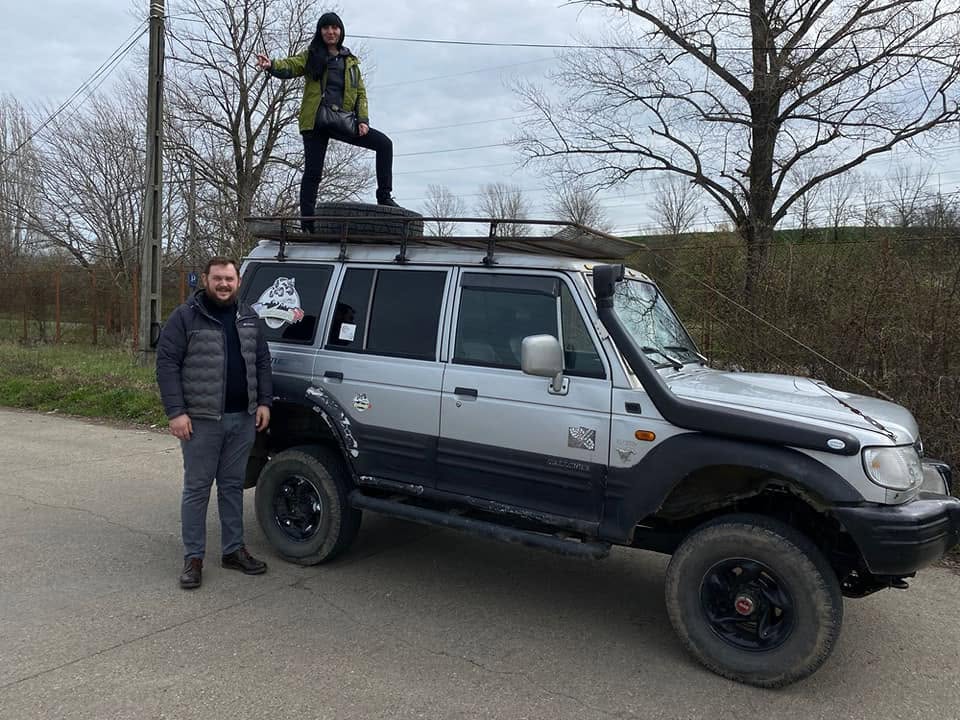
Alina’s eldest son, Arsen, was called up in December 2025, shortly after his 25th birthday, and is now serving as a UAV operator. «Now I’m the mum of a serviceman,» Alina says. Before that, no one in her family or close circle of friends had served in the military. But this never affected her commitment to supporting the army. «I helped because I understood clearly that a car at the front is a consumable item.»
Asked whether she ever plans to stop her work, Alina Nedayvoz has a simple answer: «As long as my phone keeps ringing, I’ll keep doing what our defenders need.»
Translator: Mykyta Budnyk


