

UA
EN
Хотів би спершу так зазирнути трошки в минуле, перенестись у далекий 2015 рік. Тоді ви мали змогу провести шість місяців у США як стипендіат Alfred Friendly Press Partners, співпрацювали з Pittsburgh Post-Gazette та навчались у Школі журналістики штату Міссурі. Можете розповісти, будь ласка, про ваш досвід навчання в цій школі, як потрапили на цю програму, й також згадати про вашу роботу у місцевому виданні Pittsburgh Post-Gazette?
Редакція Kyiv Post, в якому я тоді працювала, отримала золоту медаль університету Міссурі у 2014 році за висвітлення війни на Донбасі. І координатори Alfred Friendly запропонували місце в цій програмі нашому виданню. Я пройшла внутрішній конкурс Kyiv Post і поїхала туди.
Це був дуже цікавий досвід. Я приїхала в маленьке університетське містечко Коламбія в штаті Міссурі десь через місяць після того, як була в Бахмуті (тоді ще Артемівську) і писала про важкий вихід наших військ із Дебальцевого. Тому, для мене навчання в Школі журналістики – це була і можливість повчитися, і також відпочити. Хоча, двотижневе навчання було дуже інтенсивним. В Пітсбургу колеги в Post-Gazette дуже цікавилися Україною, постійно запрошували мене на зустрічі та розпитували про нашу війну. Взагалі, Піттсбург виявився дуже цікавим і комфортним для життя, я справді полюбила це місто.
В Post-Gazette я займалася як легкими темами (про місцевий біговий марафон, а це там було величезною подією), так і важкими. Так, наприклад, у мене вийшла велика стаття на першій шпальті про торгівлю людьми. Там я також трохи навчилася створювати баланс між роботою і відпочинком. В Post-Gazette люди йшли додому після 17:00, тоді як в Kyiv Post ми працювали до 20:00, а то й довше. Я зрозуміла, що потрібно більше відпочивати, аби не вигоріти професійно. Насправді я тоді була на межі вигорання після роботи на Майдані, в Криму під час анексії та висвітлення війни на Донбасі, а поїздка в США допомогла мені відновитися.
Що можете порадити молодому поколінню студентів журналістики сьогодні, які хотіли б спробувати себе за кордоном, але можливо досі вагаються? В чому полягає цінність такого роду міжнародних програм, на вашу думку, що ви почерпнули для себе за ті шість місяців?
Будь-які поїздки на навчання та стажування – це корисний досвід. Але, зараз можливостей, здається, більше ніж було 10 років тому. Я б радила не їхати заради поїздки, а обирати ті програми, які цікавлять вас і допоможуть зростати професійно. Тобто, якщо ви пишете про політику, то не варто подаватися на стажування з теми економіки чи бізнесу.
Важливо також завести нові контакти. Адже потім, повернувшись в Україну ви теоретично зможете фрілансити на газету, з редакторами якої завели знайомство. Також плюсом буде занурення в мову. До тієї поїздки я вже вільно вживала англійську письмово та усно, але після шести місяців в США стала ще впевненішою в моєму рівні цієї мови.
За час роботи як воєнної кореспондентки, про що вам особисто було найважче писати? Які теми були найбільш болючі та складні для вас, коли готували матеріали, спілкувались з людьми, висвітлювали життя в зоні бойових дій?
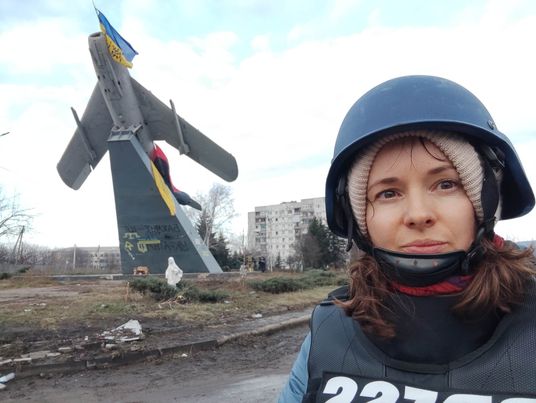
І в часи роботи в Kyiv Post, і зараз мені найважче даються теми про тортури. Робота в Бучі чи в селі Мотижин, де росіяни вбили старосту села і всю її родину, була дуже виснажливою психологічно. Було важко також (фізично та психологічно) писати з місця падіння малайзійського Боїнга в липні 2014 року. Це трагедії такого масштабу, про які навіть важко думати, не те, що писати в умовах дедлайну.
Тепер до сьогодення. Що надихнуло, спонукало вас на зміну життєвого шляху, якщо можна це так описати, адже ви дуже довгий час працювали в англомовній журналістиці, писали репортажі, статті зокрема про те, що відбувається на окупованих територіях нашої країни. Ваші матеріали публікувались у провідних західних виданнях, Guardian, Wall Street Journal тощо. Маєте за спиною величезний досвід роботи в найбільшому англомовному виданні про Україну – Kyiv Post. Але сьогодні ви драматургиня, й наскільки я розумію, ця робота займає переважну більшість вашого часу. Ваші п’єси ставлять в Україні та різних країнах світу. Так, нещодавно The Guardian опублікував статтю про одну з ваших драм «Я повернуся», яка була поставлена в Празі. Чи є відчуття, що хотіли б повернутись до журналістики, або ж написання п’єс це абсолютно те, чим живете сьогодні, ви себе знайшли в цьому й не хочете займатись чимось іншим, принаймні станом на зараз?
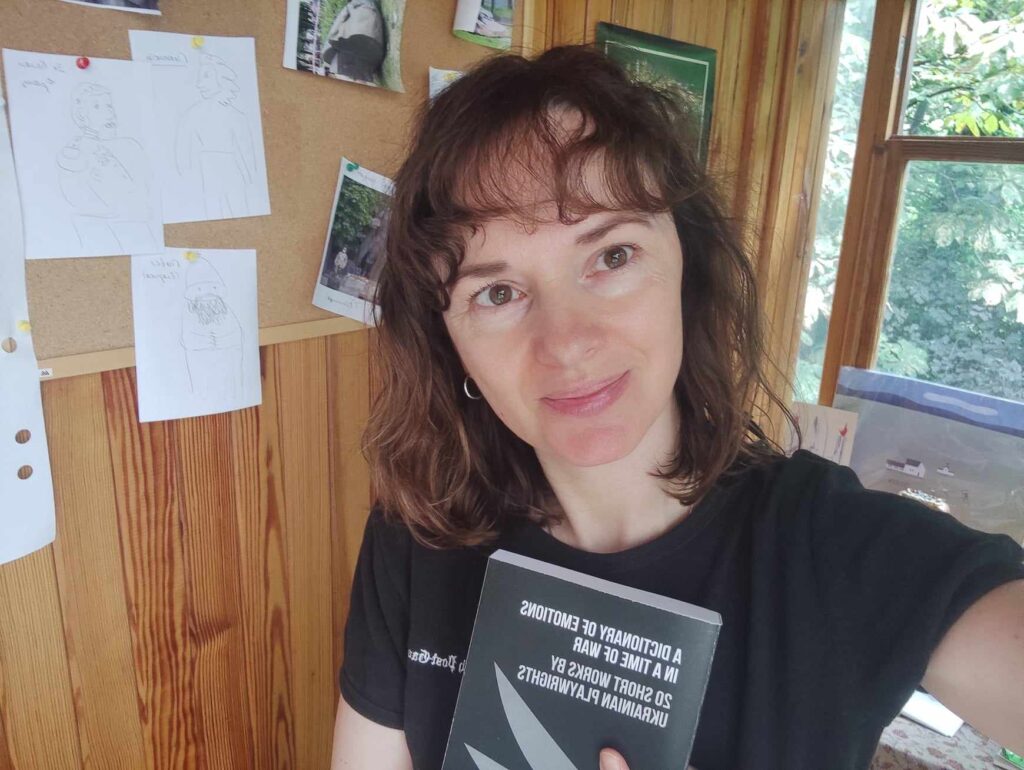
Зайнялася драматургією я з цікавості. В серпні 2019 року в театрі PostPlay була 2-тижнева Школа швидкої драми, кураторами якої були Максим Курочкін та Анастасія Косодій. Я записалася туди з історією, про яку дізналася під час інтерв’ю. З цього вийшла п’єса, яку хотіли поставити кілька режисерів, але, на жаль, постановки так і не сталося через пандемію ковіду-19. Потім мені дуже пощастило, моєю другою п’єсою зацікавився вже нині покійний продюсер Юрій Мінзянов, і по ній я написала сценарій фільму “Дон Жуан із Жашкова”.
Насправді я досі працюю в журналістиці, повернулася туди одразу після повномасштабного вторгнення. Але, я стараюся поєднувати журналістику за написанням п’єс, а також кіносценаріїв. Мене навіть дивує, як багато спільного в цих професіях. Адже для того, щоб якісно і чесно писати п’єси або сценарії, потрібно теж провести велике дослідження теми та брати інтерв’ю. Різниця лише в тому, що в журналістиці вигадувати категорично не можна, а в художній літературі це вітається.
Оскільки я журналістка-фрілансерка, то маю змогу брати паузи в написанні статей і поїздках на схід й у цей час писати п’єси чи сценарії. Стимулюють мене до цього зазвичай дедлайни. От щойно я повернулася з літературної резиденції Rikstolvan у Швеції, де за місяць закінчила роботу над сценарієм художнього фільму “Молочайник” за моєю п’єсою, дописала одну п’єсу і написала перший драфт іншої.
Як ви порівняли б ці дві сфери, яким приділили багато часу й зусиль: журналістика та драматургія? Для вас особисто це однаково складні галузі, чи одна з них дається важче, навіть маючи великий багаж знань й досвіду? В чому найбільша складність кожної сфери, на ваше бачення, якщо можете так виділити?
Не можу сказати, що якась із цих сфер легша, а якась важча. І там і там є своя специфіка. В журналістиці складно, бо зазвичай все потребує більшої оперативності, а дедлайни більш жорсткі. Але, перевагою є те, що і результат бачиш швидше – це публікація в газеті.
Якщо брати ваше життя до та після 24 лютого, чи змінились у вас погляди та бачення якихось речей за цей час? Я думаю, що такого масштабу події мають змінювати в людях щось психологічно, чи це спостерігали за собою?
До вторгнення я вважала, що маю дуже великий досвід висвітлення війни. Але після 24 лютого він видався мені мало релевантним. Масштаби руйнувань, кількість загиблих та інтенсивність бойових дій були просто незрівнянними до того, що було раніше. Психологічне виснаження настало швидше, і я розумію, що ним не можна нехтувати й потрібно приділяти велику увагу своєму здоров’ю.
Чи була повномасштабна війна неминучою, на вашу думку? Як людина, що працює з цією тематикою вже стільки років: коли сталось 24 лютого, це був такий величезний шок для вас, як для багатьох українців, чи, можливо, сприйняли події того страшного дня якось інакше?
Ще з осені 2021 року мені регулярно казали колеги й друзі – західні журналісти, що скоро буде вторгнення. В січні-лютому 2022-го вони говорили про це безперестанку. До того ж я читала західних аналітиків, зокрема Майкла Кофмана і Роба Лі, які у своїх статтях переконували: російська армія вже зайшла настільки далеко, що повномасштабне вторгнення станеться однозначно, це лише питання часу. Тому, 22 лютого я була не в Києві, а в Чернівцях, розуміючи, що в разі нападу виїхати зі столиці буде дуже складно.
Перші дні я була в розпачі, бо думала, що Київ впаде. Мені трохи допомагало, що я одразу почала працювати на японське видання Nikkei та британське the Guardian, і ця робота відволікала від важких думок.
Опишіть, будь ласка, в кількох словах, що хотіли б зробити після нашої перемоги (всі сподіваємось, що вона все ж настане), ваша найбільша мрія, яку хотіли б втілити? Вважаєте, що наша перемога взагалі є можливою, в сенсі виходу росії з усіх територій, які згідно з Конституцією належать Україні, це повне звільнення нашої землі від рашистів та вступ до західних інституцій, наскільки реалістичним виглядає такий сценарій?
Перемогою буде те, що назвуть перемогою. Хтось каже, що ми вже перемогли, бо росіяни не захопили Київ і не знищили українську державність, і в цьому є доля істини. Мені важко повірити на вихід до кордонів 91 року, хоча за останні майже три роки я перестала дивуватися. Після перемоги, мабуть, найперше що я зроблю, – це нап’юся.
Чи є, на вашу думку, нове покоління України, наша молодь, що змушена в багатьох випадках ховатись в бомбосховищах і бачити смерті своїх близьких, друзів замість того, аби підкорювати світ, глибоко травматичною психологічно, морально через війну, і чи можливо взагалі це змінити? Що варто робити для того, аби по закінченню війни стати новими людьми з оптимістичним баченням світу і своєї країни? Також не забуваймо, що велика частина цієї молоді гине на війні сьогодні, й демографічно, так, Україну очікує дуже складна ситуація, про що вже говорять багато експертів. Як ви дивитесь на перспективи нашої молоді в майбутньому?
Я дивлюся на перспективи нашої молоді так само як і на перспективи решти населення. Головне – це вижити за цих умов. Значна частина нашої молоді зараз живе в Європі, і невідомо, коли та чи повернуться ці люди в Україну. Частина молоді залишилася на окупованих територіях, а когось росіяни вивезли на територію Росії. До речі, саме про таких підлітків моя п’єса “Я повернуся”.
Думаю, що війна вже змінила і надалі змінюватиме всіх нас. А рівень оптимізму в суспільстві залежатиме від обставин закінчення війни. Навіть якщо ми не повернемо всі окуповані території, але вступимо до НАТО та ЄС, то думаю, що Україна матиме гарні перспективи.
“Двигуном” нашого медіа та організації є студенти, активна талановита молодь. Уявімо, що вас запросили до одного з університетів країни розповісти про себе, свій досвід в медіа, наголосити на якихось нюансах, тонкощах роботи при висвітленні війни. Що ви б сказали по завершенню презентації студентам журналістики сьогодні, яка тільки починає свій шлях на цій тернистій стежці, хоче поширювати правду, в такі складні часи інформаційної війни та невизначеності щодо власного майбутнього? Як варто діяти нашій молоді сьогодні, аби незалежна українська журналістика була в надійних руках та лише процвітала?
Я б сказала, що журналістика в Україні зараз в дуже поганому стані через мобілізацію, брак грошей в редакціях і вимивання кадрів для роботи в західних ЗМІ. Тому, нам дуже потрібні молоді, драйвові та розумні журналісти. Але, треба бути готовим, що ця професія не з легких, а в Україні й поготів. З плюсів – якщо на Заході ви до 30 років скоріш за все будете варити каву більш досвідченим колегам і вчитися у них, то в Україні вам одразу можуть довірити писати про великі та важливі історії.
Як знайти себе сьогодні та черпати натхнення від життя, коли здавалось б, дуже легко впасти у відчай, читаючи всі ці новини? Як вам вдається це робити, творити, писати, й не відволікатись постійно на трагедії навколо?
Я теж нерідко впадаю у відчай і виснажуюся, такі у нас обставини життя. Мені дещо допомагає робота з психологом-психіатром і спорт. Також важливо встановлювати особисті бар’єри й не брати на себе більше завдань, ніж можеш вивезти. Мені потрібні були роки роботи, аби зрозуміти це.


