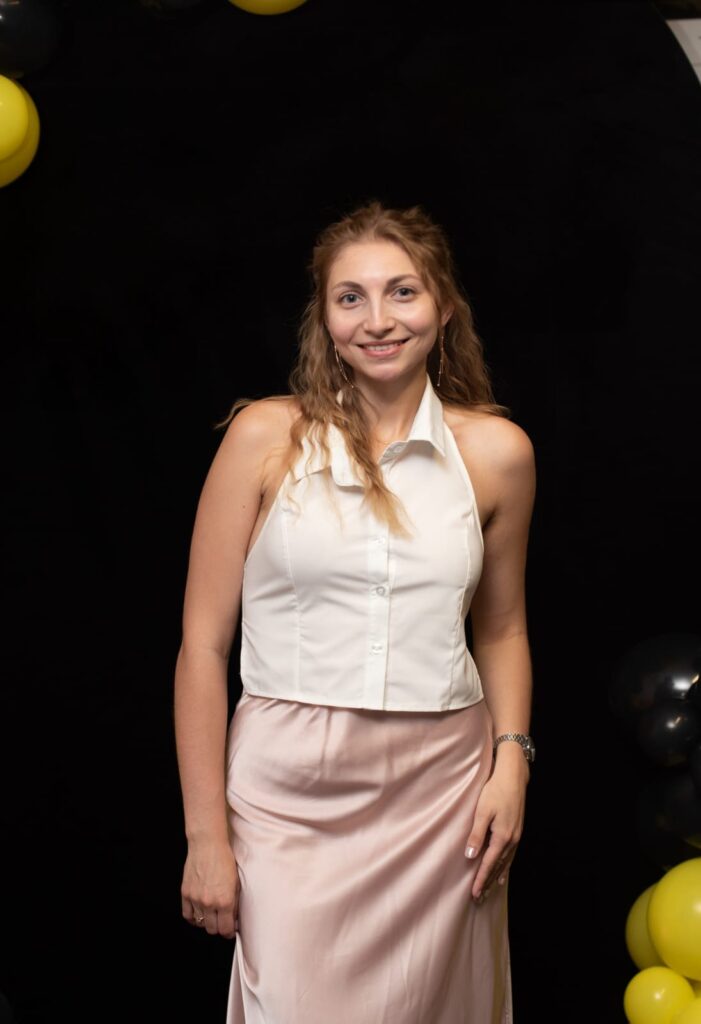
Before the full-scale invasion, you were already involved in civic activities and working with young people. What projects were you involved in at the time? How did the full-scale war change your priorities and your work?
Before the full-scale invasion, my work was mostly focused on young people, the arts, and organizing cultural and recreational activities. I wanted to create opportunities for young people to develop, meet new people, express themselves, and understand that they, too, could have an impact on what was happening in their city.
After February 24, everything changed dramatically, and I was no exception. Completely different needs emerged, and my priorities changed accordingly. Volunteering became much more practical: helping military personnel, supporting people in need, finding essential supplies, and coordinating with other volunteers and businesses. But my work with young people and in the civic sphere did not disappear. On the contrary, I now see it as an important part of the community’s resilience.
When did volunteering become a part of your life? What prompted you to start helping others?
I guess it started with very simple things. I helped organize concerts, wrote scripts on a volunteer basis, and helped with organizing various events. So at first, I didn’t even see it as a separate form of “volunteering” — I simply saw that something needed to be done and did it, because I enjoyed doing it and it was helpful to others.
With the start of the full-scale war, it became a more systematic part of my life. We started 3D-printing things that military personnel needed, looking for resources, and joining forces with other businesses and initiatives so that we could help where help was needed.
This year, you took over as head of the NGO Progressive Mykolaiv, which already has its own history and established areas of work. What did it mean to you to lead an organization with such experience? What were the first challenges you faced in this new role?
For me, first and foremost, it means responsibility. When you join an already established organization, you are not starting everything from scratch. There is a history, a team, partners, projects, and the trust of the people. And your task is not simply to continue this work, but also to develop it further.
The biggest challenge is probably bringing all these areas together. On the one hand, there is volunteer aid; on the other, there are youth and social projects and work with partners. All of this requires time, people, and resources. But I like that the team is ready to work and try new approaches.
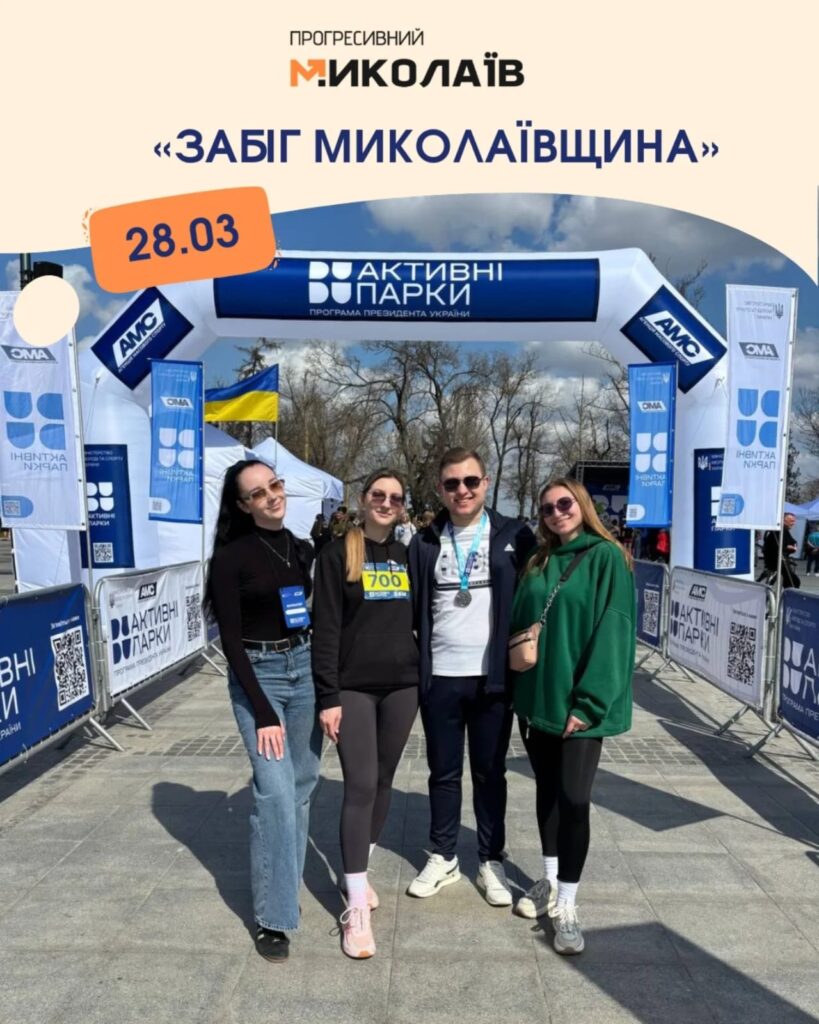
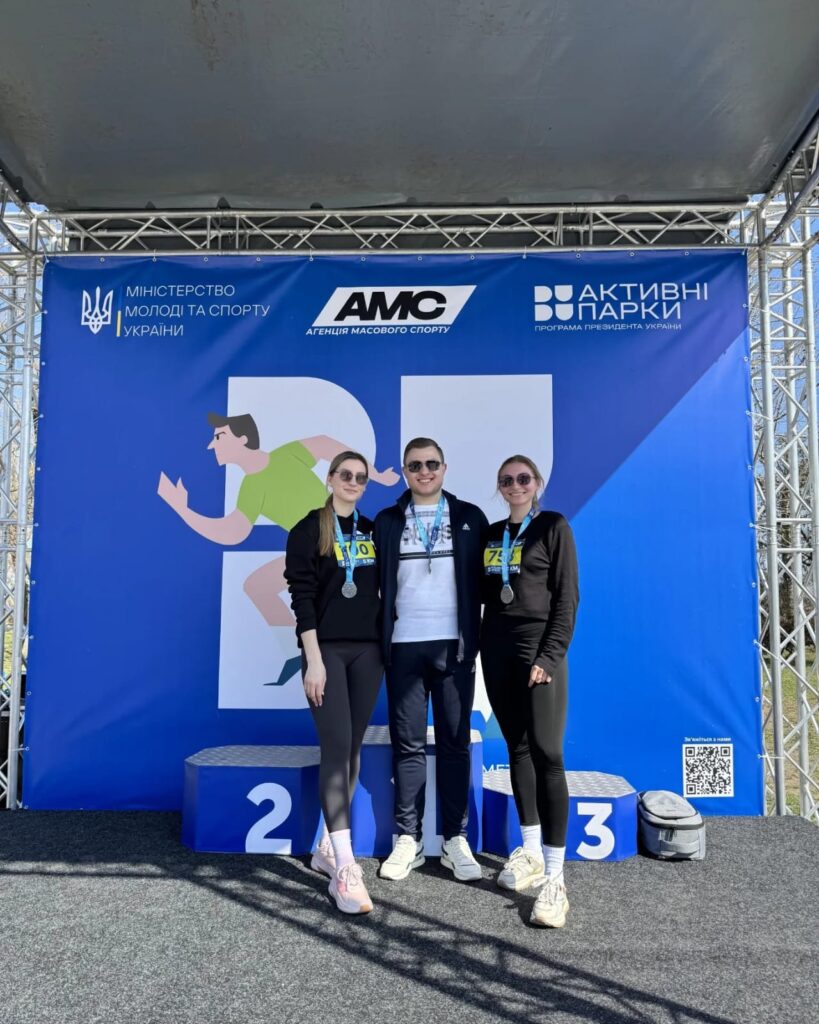
Today, the NGO Progressive Mykolaiv supports military personnel, helps other volunteer initiatives, and implements youth and social projects. Which areas are your priorities right now? Who do you help the most?
I wouldn’t want to single out just one area. Right now, it is important to respond to real needs. That includes supporting military personnel and volunteer initiatives, working with young people, and implementing social projects.
For me, it is especially important that young people do not remain mere observers. We want to create opportunities for young people to gain knowledge, bring their own ideas to life, and be involved in the development of the city. At the same time, of course, we continue to help wherever there is a specific request for assistance.
Most people only see the moment when the aid has reached military personnel or civilians. But this is almost always preceded by dozens of phone calls, searching for resources, coordinating people, and countless other decisions that go unnoticed. What does this process look like within your team? What most often remains “behind the scenes” of volunteer work?
Usually, it all starts with a message or a phone call: someone needs something. Then we figure out how urgent it is, exactly what is needed, where it can be found, and who can help.
And this is the part that most often remains behind the scenes. People see the finished result, but they don’t see the dozens of phone calls, messages, finding the necessary funds, arrangements with businesses, and logistics. Sometimes, what may look like very simple help can take several days of work by several people.
Volunteer work is almost never the work of one person or one team. You collaborate with many organizations and foundations. How important is this kind of cooperation to your work?
Very important. These days, it is practically impossible to work effectively if everyone works separately. We collaborate a lot with other initiatives, businesses, foundations, and humanitarian organizations.
Often, one team has a resource but doesn’t have the ability to deliver it or use it properly, another knows the people who need it, and a third can help with logistics. When everyone joins forces, the result is much greater. So for me, partnership is not just a nice bonus — it is a necessary part of the work.
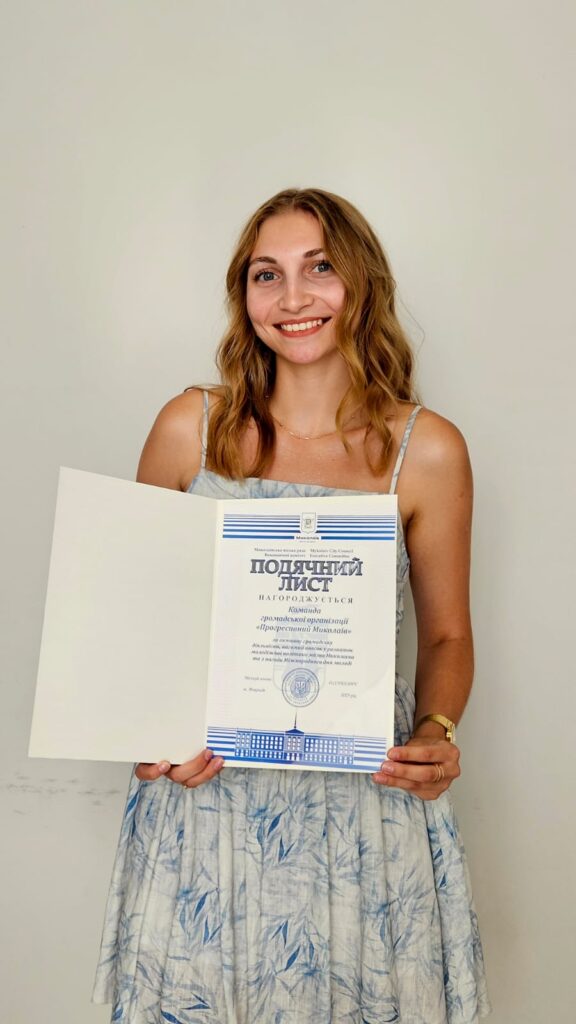
Over the course of your work, you and your team have met many people who help others in all kinds of ways. In your opinion, what most often prompts someone to take the first step and get involved in volunteering? And what helps those who have been doing it for years stay motivated and keep helping?
I think it very often starts with a specific story. You see that someone genuinely needs help, and it becomes difficult to simply walk past. Then one act of help leads to another, and you make new connections, build a team, and discover new opportunities.
As for motivation, that’s more complicated. We all get tired, and that’s normal. What really helps me is understanding that even a small act of help can make a difference. When you see the result of your work or realize that things have become a little easier for someone because of you, it gives you a lot of motivation to keep going.
You and your team have already helped many people through various volunteer initiatives. Could you share a story that has particularly stayed with you? Why does it remain important to you today?
It’s difficult for me to single out one story because there have been so many over this time. But the moments that stay with me the most are when help comes together from seemingly nothing.
For example, there was a case when military personnel urgently needed parts for antipersonnel mines. We started looking for a way to make them, and eventually we took on the task of 3D-printing the necessary parts. What mattered here was not simply printing them, but doing everything on time, because this determined when the military personnel would be able to receive them and use them at their positions. We managed to print the required quantity and deliver it to the military personnel on time.
What is the biggest challenge your team faces today? And what helps you find the strength to keep helping?
Probably the biggest challenge is resources. And not just financial resources. We need people, time, energy, and partners. There are many requests, but we can only do so much.
The team gives me strength. When you see that you’re not alone, that the people around you are ready to get involved and do something, it becomes much easier. And, of course, seeing the results helps. When you understand that what you’re doing is genuinely needed by someone, it makes you want to keep moving forward.
Progressive Mykolaiv was founded before the full-scale war and continues to work with young people and develop civic initiatives today. In your view, how has Ukrainian youth changed over these years?
I think young people have become much more independent and responsible. The war very quickly showed that you cannot simply wait for someone to come along and solve everything for you.
Today, I see many young people organizing initiatives themselves, volunteering, creating projects, and working with their communities. And this is probably one of the few positive changes brought about by the war. Young people have realized that they can be not just participants in these processes, but the ones who initiate them.
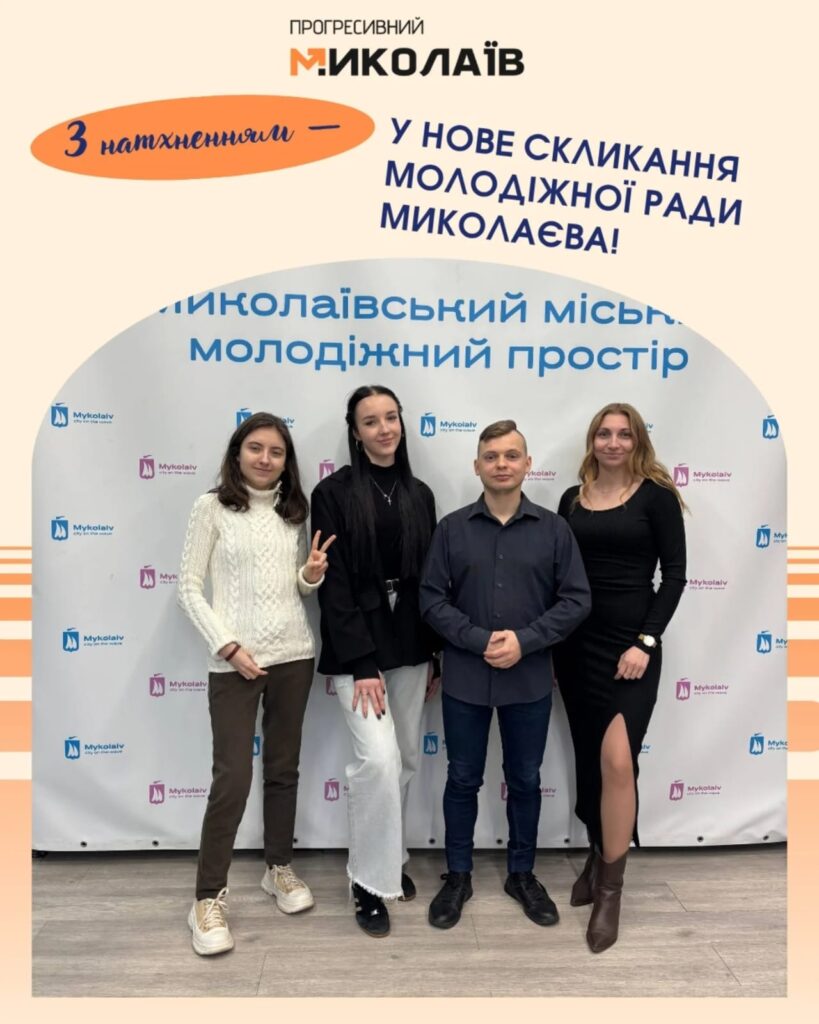
This year, you joined the Youth Council under the Mayor of Mykolaiv. You said that you wanted to “not simply wait for change, but be part of that movement.” What opportunities do you see for the Youth Council already today?
I see the Youth Council as a platform where young people can not only express their views, but also genuinely bring those views to the attention of city authorities and take part in shaping decisions.
For me, the priorities are opportunities for young people’s development, education, employment, support for youth initiatives, creating spaces for young people, and involving them in the life of the community.
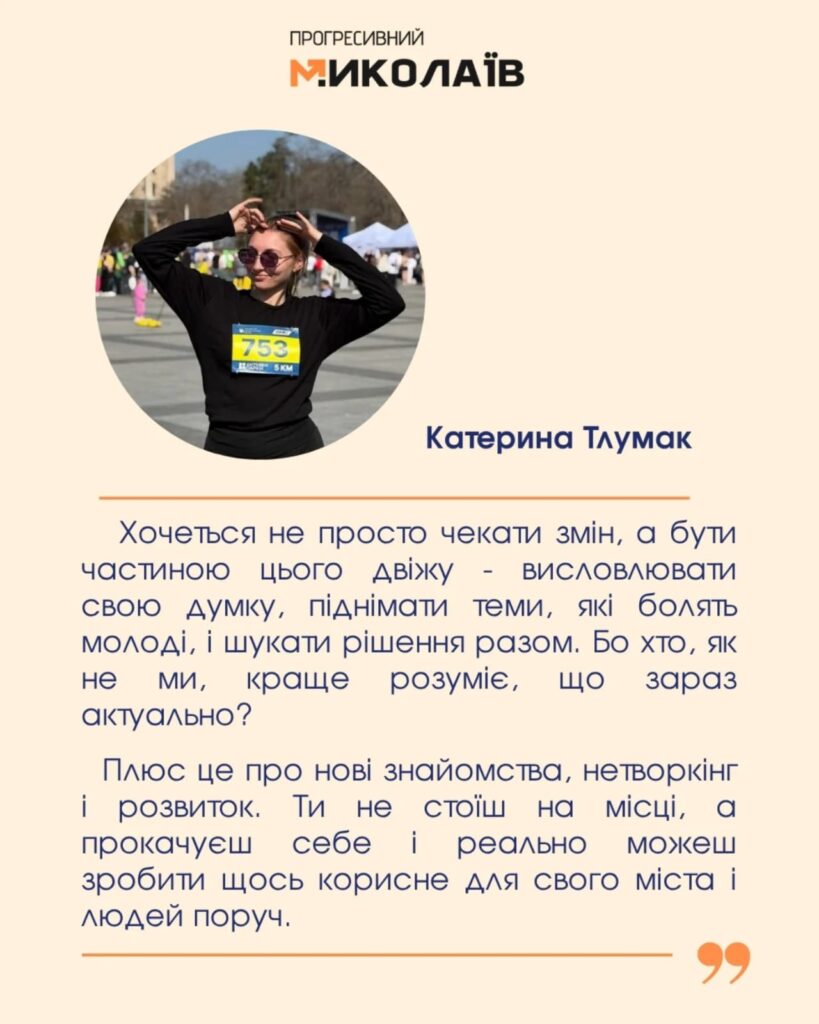
I’ve always felt strongly about the idea of not waiting for someone else to make a change, but being part of that change ourselves.
How has volunteering changed your life? Perhaps this experience has led you to rethink some of your values or views?
Volunteering has definitely changed the way I look at many things. For example, I’ve come to take time, resources, and the people around me much less for granted.
Another thing I’ve realized is just how much can be accomplished if you’re not afraid to ask for help and bring people together. Before, a task might have seemed difficult, but then you realize that all you need to do is find the right people and work together to get it done.
And perhaps the biggest change has been in my understanding of responsibility. If you see a problem and you can do at least something about it, it’s become difficult for me to simply walk past it.
Over the course of the full-scale war, you have witnessed many examples of people helping one another. Was there a moment when you realized that Ukrainian volunteerism is about much more than simply providing help? What made you think that?
Yes, I think I realized that fairly quickly. Volunteering is not just about delivering something or raising money. It’s about people and the trust between them.
You may not know someone at all, but they are still willing to help your team because they understand why it is needed. Someone gives money, someone gives their time, someone provides a vehicle, someone prints something on a 3D printer, and someone else finds the right people. All of this comes together to form a very large system of mutual support.
That’s why I think Ukrainian volunteerism has already become part of our culture. And this is probably one of the things that shows just how strong a society can be when people come together.
Translator: Ivan Chepaikin


