

UA
EN
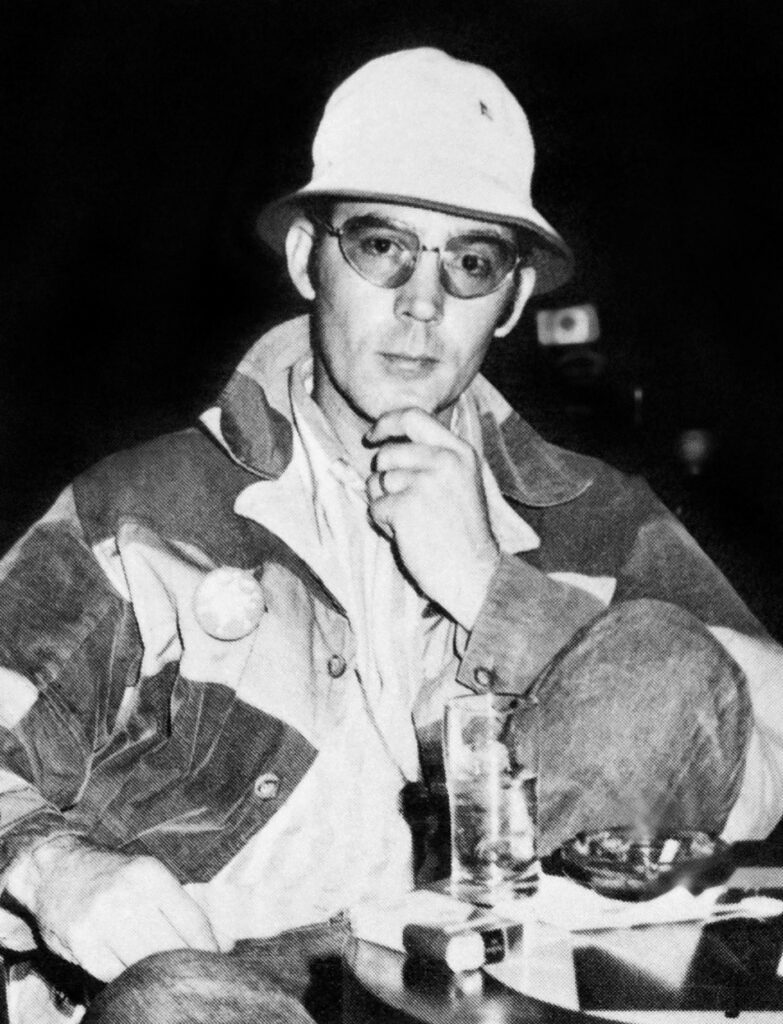
Основна відмінність цього стилю – повна відмова від об’єктивності, що є основним правилом журналістських стандартів. Це підхід, де журналіст є не спостерігачем, а центральною постаттю репортажу.
Як казав сам Томпсон:
«Гонзо-журналістика — це невизначений вид. Це напористий стиль з міксом гумору».
Уперше, коли журналіст спробував себе у стилі, який ще не мав назви, він працював над історією «Кентуккське дербі — занепадницьке й розбещене» для Scanlan’s Monthly. Тоді Гантер зробив прорив: у центрі репортажу були не події, а журналіст і його емоції. Розповідь йде від першої особи: звичайний репортаж з кінних перегонів очима журналіста перетворюється на спостереження гострих проблем американського суспільства 1970-х років.
Своїм неординарним підходом Гантер Томпсон дозволяє читачу знаходитися в епіцентрі подій. Зі звичайного спортивного змагання фокус розповіді зміщується на прояв соціального розкладу, агресії та сп’янілого безумства натовпу. Журналіст «висміює» американську еліту тих часів, підіймає питання расизму, хаосу й заворушень.
Поєднання важливих тем для суспільства з авторською сатирою стало певною «візитівкою» журналіста.
«Я усвідомив, що роблю щось кардинально інше. я був впевнений, що роблю некласичну журналістику», — сказав Гантер Томпсон в інтерв’ю.
Ще одна робота, де використовувалися елементи гонзо-стилю — «Янголи пекла» — дивна і жахлива сага про байкерські банди-вигнанці. Перша книга журналіста, де розповідається про те, як тогочасне американське суспільство створювало монстрів, яких потім боялося.
«Янголи пекла» – символ відчуженої, бунтівної Америки, яка не вписується в «норму». Журналіст не романтизує й не демонізує байкерів, він визнає – вони живуть у культурі агресії, яка для них є засобом самовираження та помсти.
Гантер Томпсон прожив поруч з байкерами близько року, щоб описати закрите середовище з іншого погляду. Оскільки журналісти зазвичай показували життя подібних угрупувань ззовні, часто стереотипно. Книга також критикує ЗМІ за створення міфу про «мотобандитів», використовуючи свої повноваження як джерело паніки та страху.
Найпопулярніша книга автора, яка згодом отримала визнання у суспільстві – «Страх і відраза в Лас-Вегасі», що була опублікована журналом Rolling Stone. Робота стала бестселером і пізніше отримала екранізацію.
У центрі сюжету прототип самого автора та його адвокат. Робота починається як вищезгадане Кентуккське дербі, герої вирушають, щоб документувати звичайні мотогонки «Mint 400». Вони везуть із собою цілий багаж наркотиків та алкоголю. На книжні прототипи лягає досвід самого журналіста: переживання галюцинацій та параноїдальних станів через наркотики, абсурдність американської культури споживання, крах “американської мрії”.
Томпсон пише про расові упередження, насильство поліції, лицемірство «морального порядку» Америки.
Ця робота є взірцем гонзо-журналістики. Вона створена без спроби зберегти дистанцію чи об’єктивність, це історія про втрату ілюзій, про культурну ломку та внутрішню пустоту, замасковану під шоу.
Томпсон не зміг написати звичайний репортаж, бо, за його словами, «історія була не про гонки — вона була про Америку».
Новаторство Гантера Томпсона це стиль, у якому правда не виключає суб’єктивності, а досвід автора стає повноправною частиною оповіді. Його винахід сміливо провокативний, сповнений сарказму, галюциногенних метафор і політичного розчарування. Він не просто передає факти, а змушує відчути атмосферу епохи. Томпсон відкрив нові горизонти для репортажу, у якому журналіст – не свідок, а герой історій, про які він пише.


