

UA
EN
Про волонтерство, роботу в благодійному фонді “Сміливі”, життя в Криму до та після 2014 року: історія волонтерки Саші Луцак
Перша частина інтерв’ю (з двох частин), де Саша поділиться роботою благодійного фонду “БО Сміливі”, де сьогодні активно залучена. Як збирали команду для проєкту, як їздили в Бучу, яким волонтерством займаються наразі, також дівчина розповідає про життя в Криму до та після окупації, і як змінилось життя після 24 лютого.
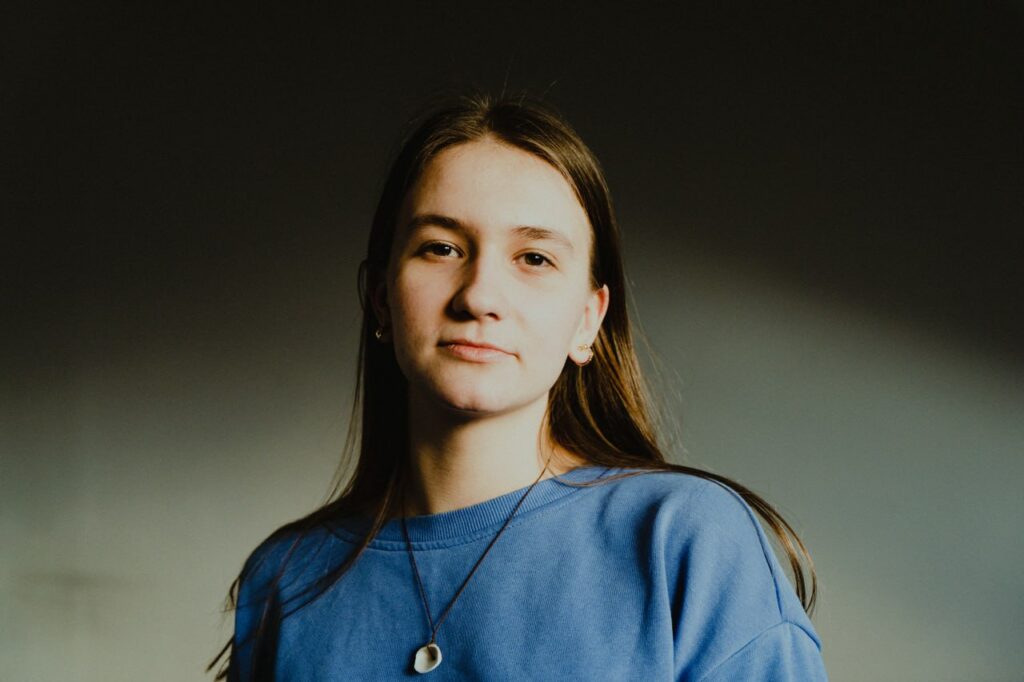
Саша Луцак народилась і виросла в Криму. У 2018 році вона з батьками переїхала до Києва, і вже тут закінчувала школу, а після випуску, у 2020 році вступила до Української академії лідерства (УАЛ). З травня 2022-го Саша почала активно займатись волонтерською діяльністю в благодійному фонді (БФ) «БО Сміливі» на проєкті «Сміливі відновлювати». Після деокупації Київської області волонтери почали виїздити в передмістя Києва, щоб відновлювати знищені чи пошкоджені росіянами будинки, квартири, житлові комплекси, школи тощо. Саша розповідає нам про досвід війни, життя в окупації, переїзду та адаптації до Києва, віднаходження себе та мотивації працювати щодня на перемогу.
Яким було твоє 24 лютого?
Я живу з батьками, і ми готувалися та розуміли, що щось точно буде, тому ми завчасно почали там збирати речі, придумувати плани, як ми можемо діяти.
24 лютого о 6 ранку мене розбудила мама, і сказала, що нас бомблять. Спочатку я взагалі не могла в це повірити, бо ніби й готувалася, але уявити, що це відбувається вже тут і зараз було важко. І це дуже дивно згадувати: з одного боку, тобі хочеться піти на балкон і подивитись, як це виглядає, а з іншого, тобі дуже страшно і ти хочеш кудись бігти та ховатися.
І я не розуміла працювати, чи ні, чи ми кудись їдемо, чи це на пару годин, чи це на пару тижнів, банально – чи це достатньо важлива причина, щоб закрити комп’ютер і займатися своїми справами, збирати речі та придумувати, що робити. Я працюю і працювала в онлайн-інституті Projector, це дистанційна робота, повністю онлайн. У той день я намагалася працювати, писати якісь підтримувальні повідомлення, бо в мене досить така сервісна робота, то я писала своїм студентам всякі повідомлення, що все буде добре, заспокоювала, типу ми вам напишемо пізніше. І мене це теж трішки підтримувало.
Я памʼятаю, що взагалі не хотілося їсти, але ми розуміли, що потрібно, тому й сиділи та їли якісь макарони. В той день я відчувала постійну небезпеку, що немає куди від неї втекти, немає куди сховатися, ти просто мусиш якось з цим справлятись. Мені дуже хотілося одразу їхати на Арсенальну, і там сидіти, щоб якось сховатись від всього. Тоді мої батьки сказали щось типу: «Ні, заспокойся. Це тупа ідея».
Тоді ми вирішували, чи лишатися в Києві, чи їхати кудись в Київську область, чи взагалі на західну Україну. Але 24 лютого ми були вдома в Києві і якось так багато всього назбиралось: дуже багато стресу, зборів речей, придумування планів.
Перед початком повномасштабного вторгнення ти кажеш, що ви з батьками готувались до чогось подібного. Коли і яким чином з’явилось розуміння, що може початися війна?
Війна почалась у 2014 році, і ми завжди з сімʼєю якось знали та відчували, що воно може розростися. За рік до повномасштабного, тобто десь взимку-навесні 2021-го було схоже нагнітання через скупчення російських військ на кордоні, і ми вже тоді з сімʼєю почали думати, а що ми б робили за умови початку повномасштабної війни. Але якось говорили певний період про це і все.
Ну а потім вже грудень 21-го-січень 22-го, коли знову була інформація про стягнення військ, про можливі провокації, про створення ТРО і т.д.. Тоді ми теж серйозно сіли, поговорили, що будемо робити, придумали якісь кодові слова, якщо раптом там щось буде. Тоді ж ніхто не розумів, як це все буде відбуватись. Ми собі придумали якісь шляхи комунікації офлайн, без зв’язку, хто куди їде, хто кого рятує, такі речі, але це все було теоретично.
Що змінилось у твоєму житті після анексії Криму у 2014?
Змінилось абсолютно все. Усе своє життя до 2018 року я прожила в Криму, і в 14-тому році я теж була в Криму. Я не скажу, що я дуже детально та усвідомлено пам’ятаю, як це відбувалося, я не можу описати багато речей, не бачила, як заходять війська. Це було майже 10 років тому, зараз мені 20, тоді було десь 11. Я була дитиною.
Восени 2013 року почалася Революція Гідності, та тоді я теж погано розуміла, що відбувається в Києві, і постійно перепитувала батьків про це.
Коли Крим окупували, я була в пʼятому класі. Я постійно чула розмови про те, що відбувалося, але оскільки була дуже малою, то не могла багато чого зрозуміти та просто відчувала якийсь стрес і напругу. Проте не розуміла звідки це. Я чула якісь новини, там говоримо з бабусею та дідусем з Києва, але я не усвідомлювала, що саме відбувалось. І потім в якийсь момент в наших побутових розмовах з’явилися такі речі як: «Саша, будь готова, що в будь-який момент ми можемо приїхати за тобою в школу і зібрати тебе, і ми поїдемо назавжди». І тоді мені здавалося, що всі просто хочуть зруйнувати моє маленьке щасливе життя, бо я тільки перейшла в нову школу, у мене тільки будувалось своє життя. А тут мені кажуть, що ми будемо переїжджати через події, які взагалі не можу зрозуміти та навіть словами описати, що вони означають.
Я жила в Севастополі, і в нашому місті тоді почало зʼявлятись дуже багато військової техніки. Теж яскравий спогад, як в мене просто перед очима під вікном літав гвинтокрил, максимально низько на рівні пʼятого поверху.
Також почали відбуватися дивні речі в школі, бо ми вчилися ніби за українською програмою, а потім в якийсь момент поступово з’явилася купа російської програми. Я не сказала б, що це добре усвідомлювала, я це вже потім аналізувала впродовж багатьох років, але на початку казала собі лишень: «Що? Чому в нас змінюються підручники, чому ми посеред року маємо щось змінювати??» Якісь такі штуки.
Потім дуже очевидним для мене, як для дитини, стала зміна валюти, в якийсь момент були в обігу гривня і рубль, і ти постійно думав, як платити. Врешті-решт, все просто перейшло на рубль. І мені треба було перевчати себе, бо дитиною я багато їздила на всілякі гуртки та мені треба було розуміти, скільки я маю платити за проїзд, бо це різні суми в гривнях і рублях.
У наших розмовах з батьками дійсно з’явилось багато таких стресових для мене тез, наприклад, ти не мусиш нікому сказати, що їздиш в Україну, бо я постійно їздила до бабусі. Розмови про те, що не треба багато говорити, не треба всім на світі розказувати, що ти і як, де в тебе родичі живуть. Не треба висловлювати свою думку. І таких розмов дійсно було дуже багато протягом всього нашого життя у Криму після окупації.
Якими були твої перші місяці після повномасштабного вторгнення?
Ми все-таки переїхали з батьками в Київську область і жили на дачі. Інтернет там був не найкращий, але я намагалася придумати якісь шляхи, як мені включитися в допомогу.
Тоді, я навчилася писати дуже легкі коди та займалась DDoS-атаками. Пам’ятаю, що ми з моїм другом також вирішили, що будемо ходити по всім різних волонтерських чатах і об’єднувати запити. Типу, дивитися, де там є, наприклад, запит, а де є відповідь. І ми отак кілька груп поєднали, у когось перевозили, кудись щось передавали. Але це було не дуже масштабно, переважно виглядало як намагання долучитись до дуже багатьох маленьких ініціатив.
Але я намагалася відшукати способи бути корисною на місці. Не скажу, що мало якийсь супер ефект, але все ж був певний результат.
Коли ти повернулась до Києва?
Спершу десь 8 березня ми виїхали в Івано-Франківську область, там теж волонтерили, плели сітки, якісь робили піддупники, каремати. Зробили один благодійний квартирник, що могли, то і вижимали, а в Київ повернулась десь після 10 травня.
Коли була ще в Коломиї, ЗСУ деокупували Київську область. І я бачила, що мої друзі їздили волонтерити та відчувала, що точно мушу там бути.
І коли вже їхала в Київ, то думала про те, що передусім я долучусь до якогось волонтерства. Буквально одразу, як повернулась, в одному зі своїх чатів побачила, що мої знайомі шукають хост в Бучі, бо їдуть волонтерити. Я написала, що хочу з ними. І вони сказали: «Окей, поїхали, ми будемо прибирати, розчищати». Я подумала, що це щось дуже абстрактне, але байдуже, їду.
Це, власне, історія створення чату «Сміливі відновлювати», тоді він називався «Буча» і в назві було якесь число травня, вже не пам’ятаю. Там було вісім людей, які взяли участь у першому заїзді, і ось так почалась історія «Сміливих», а також моя історія з ними. Ми зібралися, поїхали в Бучу, користувались громадським транспортом, взагалі не знали, куди, що та на якій зупинці виходити.
Цілий день ми просто ходили, дивилися, питали, намагаючись зрозуміти, як можемо бути корисними. Може, тоді в нас була й не суперкорисна робота, але таким виявивсь наш перший заїзд, коли ще так майже нічого не робили.
Кінець першої частини
Прочитати другу частину можна ось тут за посиланням


