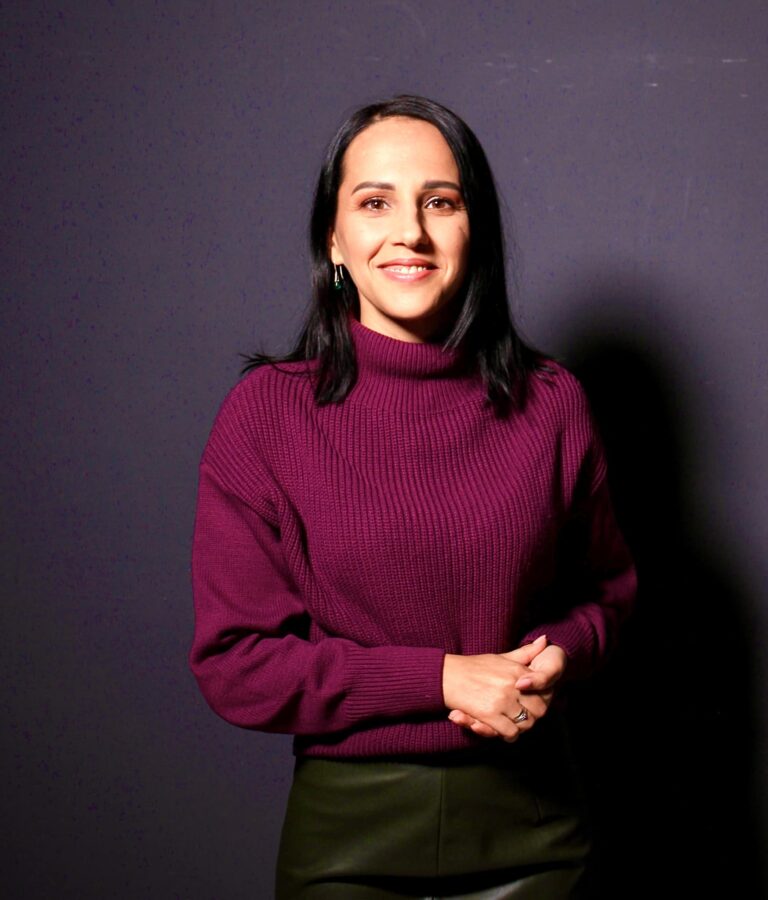
Psychologist Iryna Basista
Photo: https://www.facebook.com/irabasista
How has your professional life changed since February 24th?
At the time, I was a young mother and was planning to expand my practice and reach more clients in the early spring. I am also a trainer at the International Center for Development and Leadership, and before the full-scale war, we were training specialists working with children. When the full-scale war broke out, a colleague called me and we decided that we would work online, so we launched an advertising campaign. I was providing crisis counseling. My clients were mostly mothers with children who had left for safe places and abroad. There were a lot of requests and a lot of work. In terms of workload, I felt that the work with crisis cases was twice as much, but I also realized that this work kept me psychologically alive.
When did you start working with people who have lost their loved ones?
I have been working with such cases since 2014. At first, I held group sessions for families who had lost their loved ones during the Maidan, then there were many trainings in various formats, off-site training sessions, and that’s where I gained a lot of experience. In May, I was offered to participate in the “Recovery during the War” project, but I didn’t attend it because I have a small child and there was no one to look after my son. When everything was set up, I worked with groups and organized work with my clients.
During the project, did you work only with women or did you have experience working with children, as well?
I did not work with children in the context of war. I have a 3-year-old, and I realized that I would be delving into such a complex topic more than necessary, so I avoided that risk. I have worked and keep on working with women who are waiting for their husbands to come back from captivity. We agreed to say that these are not men who are fighting, but men who are protecting us. There are so many stories that have impressed me because the experience we are going through now is complex and incredible at the same time.
How can we help and support someone who is going through a loss?
Firstly, we can ask them directly how we can help. Each person is the best expert in their own life, so asking is the best thing we can do. Secondly, we must take the initiative, because when a person has a trauma, they tend to close in on themselves. That is why I advise relatives, family, and friends to pay more attention to their loved ones, and to tell them that they are ready to listen and support them.
How do you personally manage to keep yourself together and help others at the same time?
Before the full-scale war, our community organized a support group. After February 24th, we held meetings every day. It was our small circle of support. My mother, son, and husband know how to support me properly. Since 2012, I have been undergoing therapies in various formats, I continue individual therapy. Supervision is my value, and I promote it everywhere.
Translator: Karpenko Zoriana


