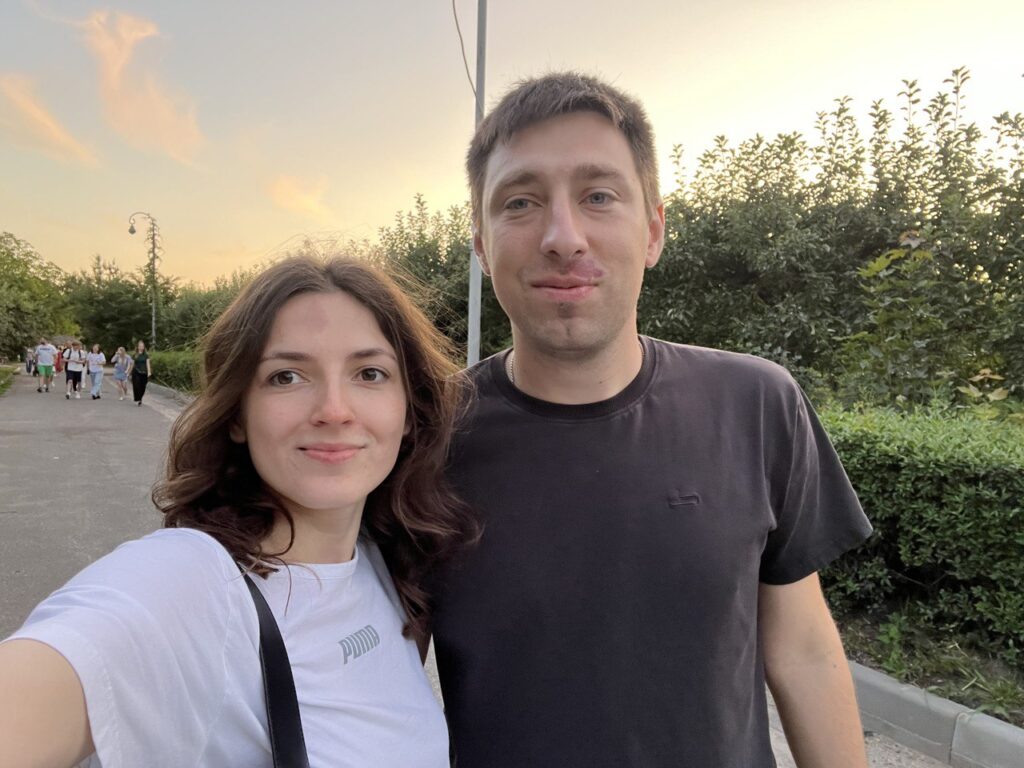
Mykola and Christina, can you remember where you were on 24 February 2022?
Mykola: The war caught us in Kyiv, we slept through all the calls from our relatives and woke up around 7am. I remember that on that day I did not fully believe that a full-scale invasion had really begun. I wanted to go to meetings with clients and court hearings because I work as a lawyer.
Christina: I work in marketing. All the work conversations turned into discussions about what was happening around us, about helping each other and possible evacuation. We were told to stay at home and not to come into the office. I also did not believe in what was happening and thought it would be over in a few days.
My parents kept calling us, trying to persuade us to go to them in Zakarpattia.
It was difficult to decide to do so, as Mykola’s parents remained in Kyiv and flatly refused to leave. In the end we gave in and on 25 February we took our parrots and friends with the baby and arrived in Uzhhorod in three days.
What made you decide to volunteer?
Mykola: The idea came to me in Uzhhorod. Christia continued to work online and I had no job. My business, a law firm, had just started to gain momentum when all activity stopped for several months. I couldn’t sit around and do nothing, so I started thinking about how I could be useful to improve my emotional state and help people.
I discussed this with Christia’s dad. His connections led us to a medical centre in Germany that agreed to help with medication. That’s when I decided to register the Ukrainian National Resistance charity.
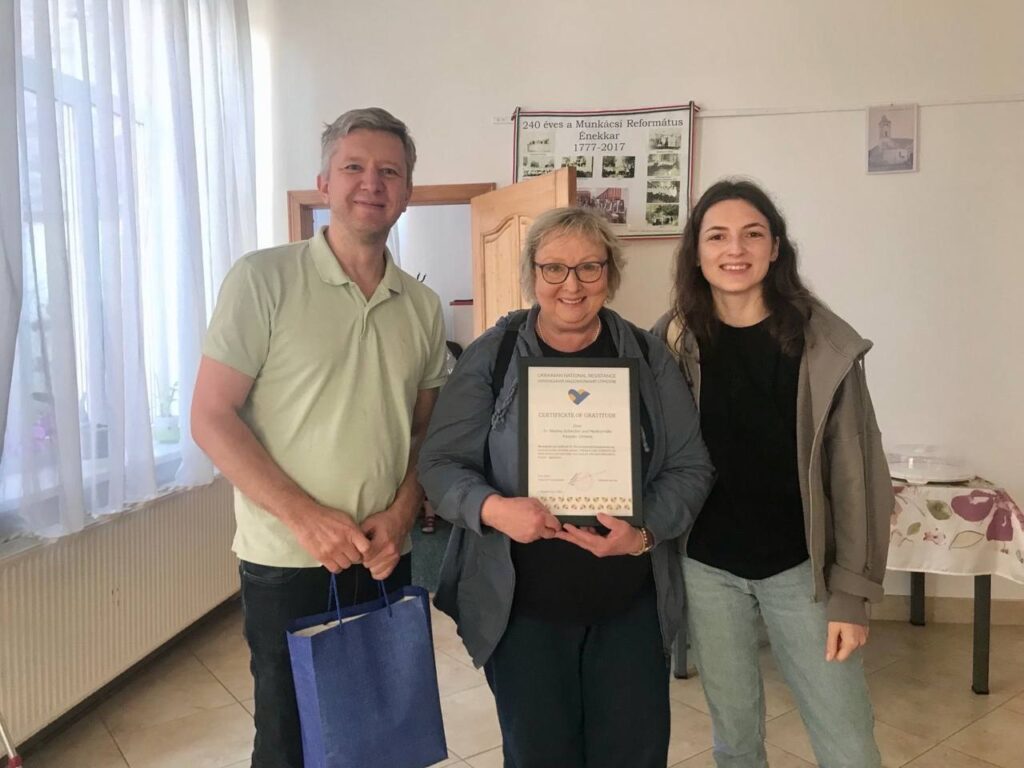
Christina: My father, Viktor Petrov, is the deputy director for technical issues at the Christian Medical Centre in Mukachevo. He is an engineer who knows a lot about medical technology and is in direct contact with the management of the German charity Medicinhilfe Karpato-Ukraine, which works with the clinic in Mukachevo. It was my father’s idea to introduce us to the director of the foundation, Dr Martina Scheufler, who has been supporting and helping Ukrainians for many years. After the meeting, she immediately volunteered to collect medical aid for Ukraine. Within weeks she had sent us bandages, which were in short supply at the start of the invasion, as well as antiseptics, surgical and medical instruments. We delivered all this to military hospitals in the Kyiv and Dnipro regions. And now we continue to work together.
Tell us more about your charity’s work.
Mykola: The Ukrainian National Resistance was founded on 5 April 2022. As the director, I manage all the processes, communicate with partners and commanders, choose the cars with the drivers, often personally load the beads and take the volunteers to their destination.
Christia is the PR and SMM manager – she is responsible for our social media presence, fundraising and reporting to the public.
We also have five regular drivers who find, buy and deliver vehicles from Europe for the Ukrainian Armed Forces. Mykola Svyrydenko, a car mechanic, advises us on car purchases. We have learnt to make proper videos of the purchase for him, and he also repairs all our cars for a nominal fee.
Our friends and partners support us financially, find medical supplies and provide other volunteer help because they see it as their civic duty to help Ukraine’s defenders in the war against Russia. Without them, the Foundation’s activities would not be possible.
Our uniqueness lies in the fact that we are a small foundation working directly with the military on the front line. That is why we are chosen by those who want to help the Ukrainian Armed Forces but have not done so before because they thought their money might be misused.
We have a long list of friends and acquaintances who are members of the Ukrainian Armed Forces and are constantly in need of help in providing them with everything from cars and tourist attractions to warm clothes and food. We personally deliver the aid to a particular soldier and are 100% sure that it has reached its destination. We do not employ any staff, we do all the administration ourselves, so all the money we raise goes to the defenders.
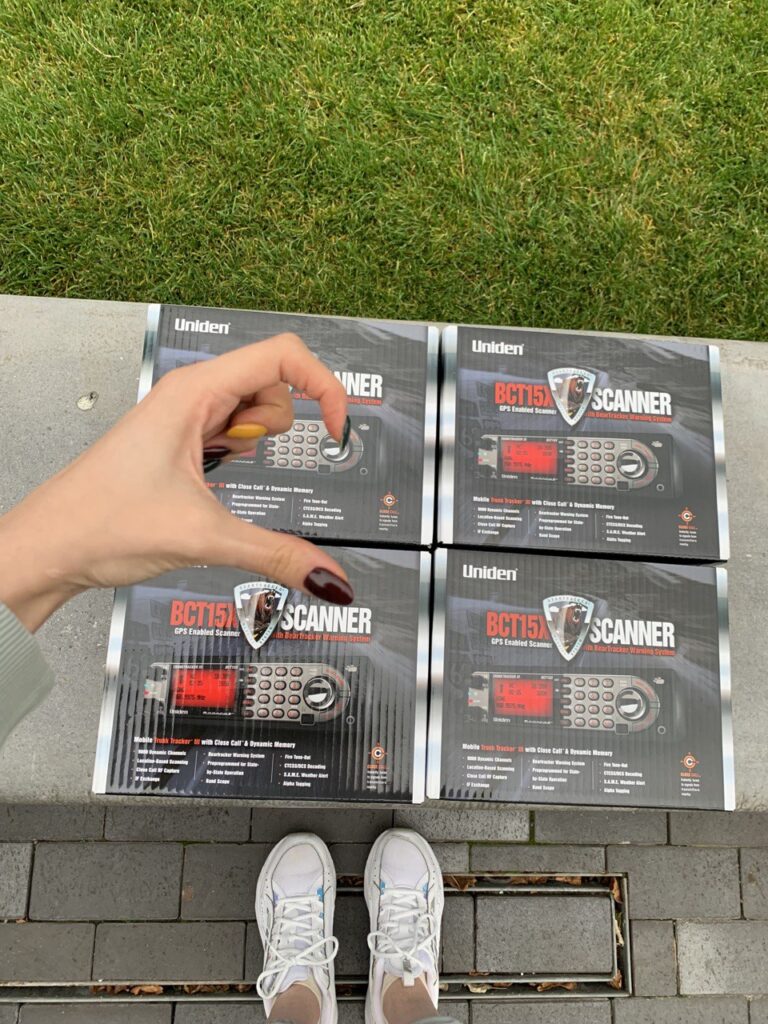
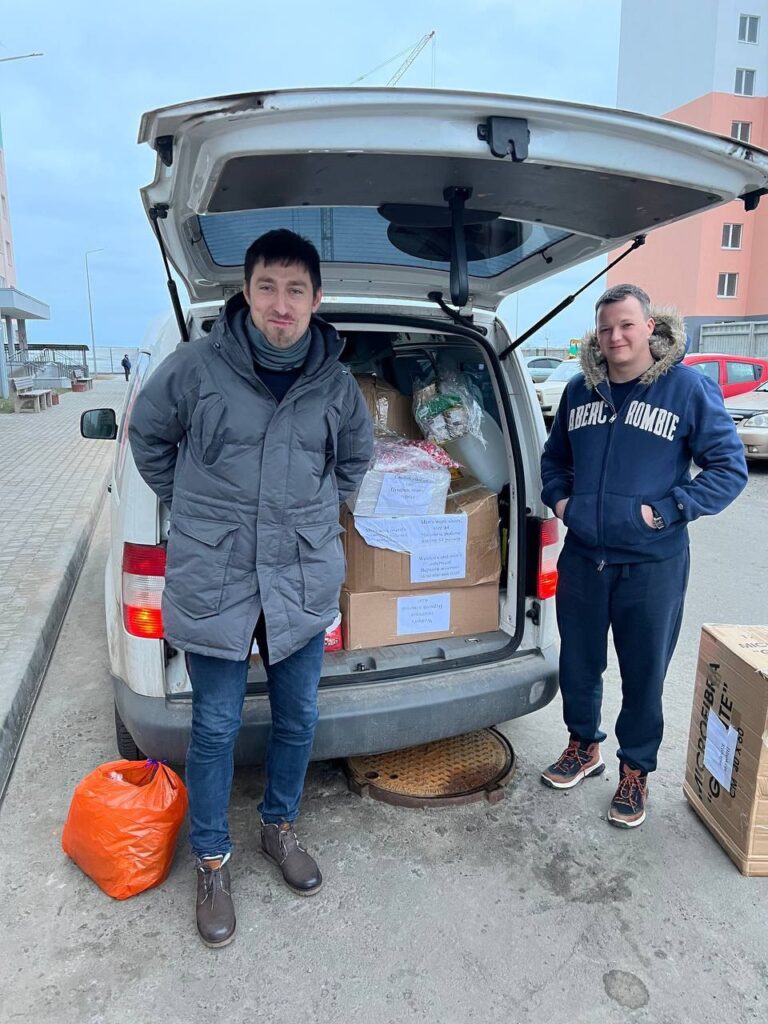
At the beginning of the war, we sent food and toiletries to families with small children. In a year and a half, we have delivered about 400 tourniquets, 40 complete first aid kits and medical supplies to equip them. We have purchased over 20 scanners, 4 octopuses, several DJI Mavic drones, 6 laptops, 12-15 sets of microcomputers for intelligence and surveillance. On separate requests, we bought two Bluetti charging stations, five generators of various capacities and gave away our two Starliners.
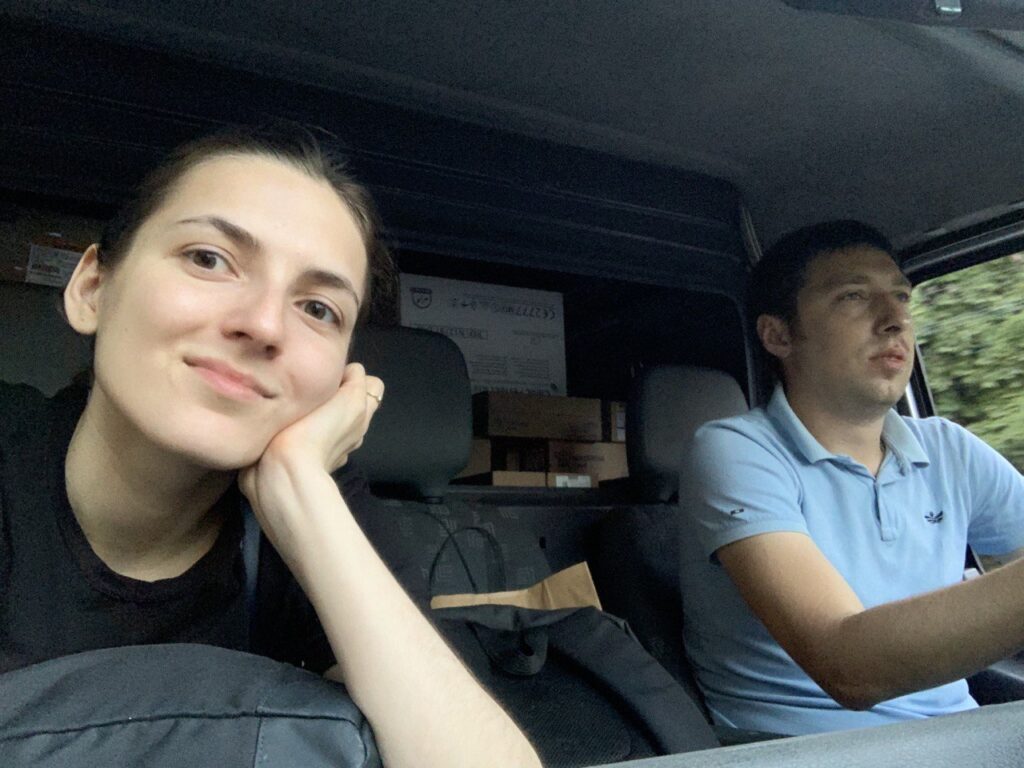
Today we focus on cars. Over the course of the invasion, we have brought more than 20 SUVs and pick-ups, mostly from the UK and the Netherlands.
We try to fill every SUV we send to the front with food, medicine and first aid kits.
What is the most difficult part of volunteering? What inspires you and gives you the strength to carry on?
Christina: Probably solving problems related to unexpected situations. For example, at the beginning of our activity, the car we bought in Poland caught fire after driving only 9 kilometres from the place of purchase. Fortunately, the driver was unharmed. It’s good that such a car was not sent to the front. Of course, no one gave us our money back and we had to find a place to park the burnt-out car, remove it and dispose of it. The whole process took about a month.
We were quite nervous at the time and even thought about stopping fitting vehicles. However, the requests from the military for vehicles did not stop and we realised that we could not stop. We refused to buy cars in Poland, where there are almost no cars in good condition, and started importing cars from the UK and the Netherlands.
It is our contribution to the victory, our desire to live in a free Ukraine and to plan for the future that inspires us and gives us the strength to continue. And also the feedback from the military: if they don’t give up, we have no right to either.
Is it difficult to combine work and volunteering?
Christina: It was difficult at the beginning, when only Mykola and I were doing everything. It took a lot of time and effort to get new cars for business trips. When we found responsible drivers, it became easier. It was also difficult to get funding, as almost no one knew about our activities, or perhaps they simply did not trust us. It was scary to open the first meeting, because other people’s money is a big responsibility. Now it’s easier, people in a small circle know us, trust us and help us. Colleagues contribute quite a lot. Volunteer cooperation works well when volunteers we know are involved in the collection in different ways.
Mykola: Nowadays it is common to visit Nova Poshta, receive a package, check it and send it to the front. In addition, the office of my law firm has become a reception point for humanitarian aid, which greatly simplifies logistics and saves time.
How many hours a day do you work? Do you have time to relax? It would also be interesting to hear what of your favourite things you have had to put aside and what you would like to return to first?
Mykola: To be honest, we have never calculated the time between work and volunteering. These two processes have become an integral part of our lives. However, the working day has increased and can last up to 14 hours.
We have had to postpone trips, our holidays are affected and we see our parents less often. We think we will go on our honeymoon as soon as we win.
Have you ever imagined the moment when you learn of our victory? What would it be like?
Christina: Our commander-in-chief, Valeriy Zaluzhny, once said that when civilian planes fly in Ukraine, it means that victory has already come. And I thought: yes, indeed. As a native of Zakarpattia, the absence of an airplane to Uzhhorod was a great pain for me, and the 16-hour train journey was a great challenge. In June 2021, after a long break, the Kyiv-Uzhhorod flight was resumed, but I never had time to use this service. So when domestic and international flights resume, it will be something unreal for me!
Link to the CF website (Charity Foundation): https://www.facebook.com/UANRes
Translator: Ivan Chepaykin


