

UA
EN

Серед наших героїв є журналісти, волонтери, біженці, молоді військові, члени громадських організацій, засновники волонтерських фондів та рухів, які докладають максимум зусиль на різних фронтах, щоб сприяти перемозі нашої країни у боротьбі з російським окупантом. Загалом, це та молодь, яка привносить позитивні зміни у цей світ, покращує його у певний спосіб своєю роботою, своїм баченням та життєвими принципами. Тема війни, звичайно ж, найбільш актуальна сьогодні, але ми не обмежуємось нею. Ми дуже раді, що на цей заклик поділитись своєю історією відгукнулась Євгенія Рудківська, українська журналістка, яка навчається в Міланському університеті мов та комунікацій в Італії. Дівчина у вільний час активно волонтерить та бере участь в різних заходах на підтримку України.
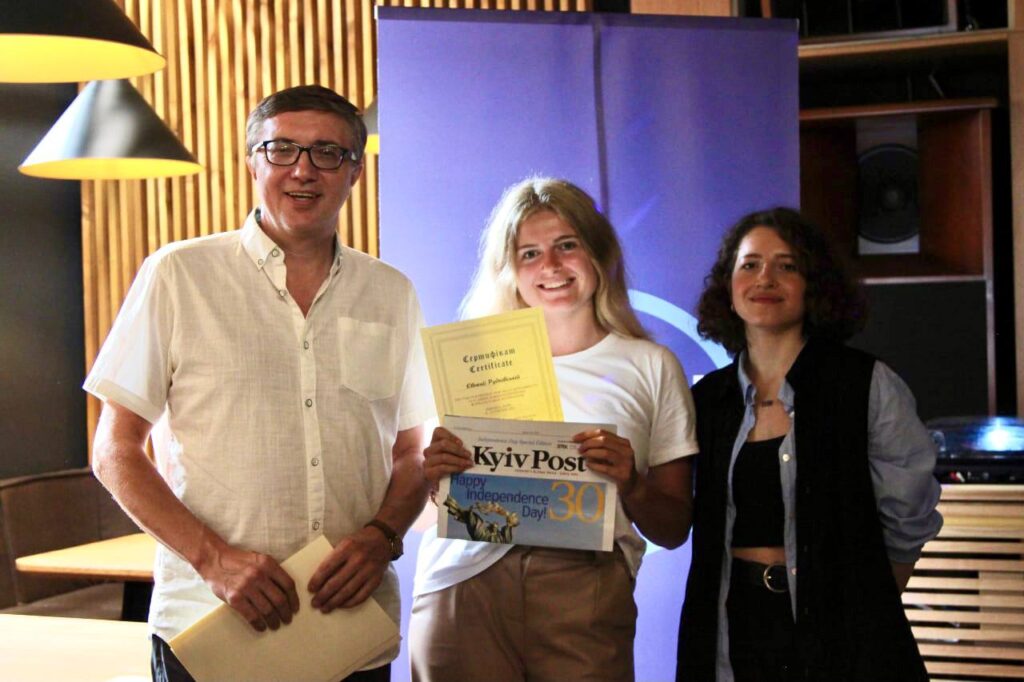
Про те, де були 24 лютого 2022 року, коли почалось повномасштабне вторгнення росії. Які думки та емоції тоді охоплювали розум
24 лютого 2022 року я була вдома, прокинулась від важкого дихання своєї сестри, яка почула вибухи та почала скролити новинну стрічку. Думаю, що перші емоції це була звісно паніка та певний розпач. Через кілька днів я поїхала до Вінницької області (звідки я родом) і там перебувала довгий час.
Про діяльність у перші дні та тижні великої війни
У перші дні я перекладала на італійську мову новини для поширення інформації серед іноземців. Також у місцевій школі м. Хмільник я плела маскувальні сітки. Майже одразу (у перші тижні великої війни) зі мною зв’язалась тодішня редакторка проєкту “Герої Свободи” (який от-от планували запустити) і запропонувала доєднатись для створення статей. Завданням було робити матеріали про героїв (як загиблих, так і живих) на фейсбук-сторінці проєкту. Це те, що було необхідно у той момент, адже це мотивувало читачів на допомогу та показувало, яку згуртованість та сміливість проявляють звичайні українці. Проєкт був своєрідним щоденником. Щодня була нова історія, яка обов’язково торкалась серця.
Як ваші друзі, ровесники ставились до всіх тих подій, що змінювались шаленим темпом кожного дня? Які теми найбільше зачіпали, про що найбільше спілкувалися у перші місяці війни зі своїми однолітками? Які у вас взагалі були плани, думки та бачення тоді?
Планів і бачення не було. Усі спостерігали за розвитком подій і сподівались на те, що це швидко мине. З друзями та однолітками ми активно обговорювали новини, але будь-яка спроба щось “загадувати” про майбутнє була провальною. Під час відеодзвінків із друзями ми обговорювали також хто і де знаходиться, ділились переживаннями, відчуттями та страхами.
Якій роботі приділяєте найбільше часу на уваги сьогодні?
Розкажіть трошки більш про цей проєкт “Герої Свободи”, де зараз працюєте, які теми підіймаються найбільш сьогодні, що найбільш запамʼяталось за час на проєкті роботи з початку великої війни?
З якими героями, людьми мали змогу працювати, які історії досі залишаються в пам’яті?
Як я вже казала, проєкт “Герої Свободи” є своєрідним щоденником. Це про звичайних українців, які роблять незвичайні речі. Наші герої — не лише військові, парамедики, волонтери. Це, наприклад, хлопець, що виконував на скрипці гімн України під час обстрілу або одна із моїх героїнь — бабуся з с. Горенка, що закутувала вуха собаці, аби та не боялась бомбардувань. Або, наприклад, я розказувала історію Максима — начальника станції “Університет”. На його станції у перші дні розміщували щоночі сотні людей. Завдяки йому та персоналу, там панувала атмосфера справжнього людського тепла. Кожна історія, з якою я працювала, мені запам’яталась і кожна тепер є частиною мене. Особливо я ціную емоційну складову кожного матеріалу, а також коли герой ділиться власними почуттями, розповідаючи про свою діяльність. Найважче було робити матеріали про загиблих, адже потім їх будуть читати рідні героїв. Так, я робила матеріал про ведучого та актора Пашу Лі, який загинув в Ірпені, але найбільше мені запам’яталась найперша моя героїня у проєкті. Юля Здановська — дівчина, що уособлювала інтелектуальний цвіт нації (склала ЗНО на 200 балів з математики, перемогла у чималій кількості олімпіад навіть поза межами України, стала вчителем у селі для проєкту “Навчай для України”. Загинула вона у Харкові, у волонтерський хаб прилетіла ракета. Останнє повідомлення у телеграм було таке: “я лишаюсь у Харкові до перемоги”. Усі мої герої були представниками та представницями різних професій та діяльностей, але попри це кожен з них так чи інакше наближує перемогу. І важливо, аби цих людей знали. Важливо документувати та розповідати ці історії. Вони надихають.

Чи берете участь в якихось мітингах, заходах за кордоном на підтримку України, можете описати, будь ласка?
Так, оскільки я зараз навчаюсь на магістратурі у Міланському університеті мов та комунікацій, з вересня (початку навчання і до кінця навчального року) я щовечора приходила на мітинг української ком’юніті (спільноти – ред.) у Мілані “UaMi”. Якщо я не помиляюсь, це чи не єдиний мітинг у Європі, який відбувається щовечора. На початку та у кінці мітингу обов’язково лунає гімн, щовечора від 5 до 7 спікерів, я також є одним зі спікерів. Звертаємось до перехожих англійською чи італійською мовами. Збираємось на головній площі міста (п’яцца Дуомо). У “гарні” дні (вечір п’ятниці та суботи) вдається зібрати цілий натовп, інколи небайдужі іноземці підходять і дають гроші готівкою. Буває, отримуємо негативний фідбек (м’яко кажучи). Але це не головне. Важливо, що стоїмо щовечора. У найсильніші дощі теж стояли під парасольками. Ми звертаємось передусім із закликом до небайдужості, аби люди долучались до нас і виражали підтримку, позицію. Крім того, одним із наших завдань є інформаційна боротьба та обізнаність іноземців. Тож щовечора розклеюємо свіжонадруковані плакати із воєнними злочинами рф та жахіттями, які країна-терорист чинить на нашій землі. Але центральний плакат — це завжди QR-код для донатів. Також організатори української ком’юніті зараз активно розширюють напрямки діяльності. Так, крім мітингів, вони допомагають із проведенням концертів українських артистів у Мілані та зі збором коштів. Також варто зазначити, що на нашому мітингу чи не половина активних мітингувальників — це італійці. Ті самі небайдужі італійці, які носять Україну в серці, понавантажували Дуолінго для вивчення солов’їної та носять значки “рускій воєнний корабль, іди…”. А от нещодавно героєм мого інтерв’ю (поки неопублікованого) став Лоренцо Чева Валла — фотограф, який щовечора понад рік робить нам фото з мітингу. Він бачив багато болю і сліз, які там ллються. Але у нього унікальний талант зробити так, що фото з одного і того ж місця ніколи не бувають схожими. Може, бо йому близький той біль. Його дід був героєм Італії, був партизаном, покінчив життя самогубством, аби не видати жодної інформації та врятувати побратимів.
Також я брала участь у репортажах італійських журналістів, які брали коментарі української молоді стосовно напрямків роботи для майбутньої перемоги. А також брала участь у репортажі стосовно Великодня, яке через війну багато українців святкували не з рідними.


Чи маєте знайомих, друзів, які також разом з вами беруть участь в таких проукраїнських заходах, можливо, збирають кошти для наших воїнів, організовують якісь волонтерські рухи, центри тощо?
Так, це учасники української ком’юніті у Мілані.
Чим займаєтесь у вільний від власне роботи час?
Я пізнаю детальніше світ української літератури, знайомлюсь із новими творами. Також я проводжу час із друзями, граю з ними в настільні ігри та займаюсь спортом.
Яку роль ви бачите для молоді України в сучасному контексті війни? Які дії або внесок, на вашу думку, кожен з нас, молодих українців, може зробити, щоб допомогти в цій тривалій та виснажливій боротьбі з агресором?
У цій боротьбі молодь — вирішальний фактор. Бо зрештою після перемоги нам потрібно зберегти відвойоване кров’ю та розбудувати країну. І мова йде не лише про фізичну відбудову та розбудову. Це буде робота на культурній арені та у різноманітних інтелектуальних галузях. Кожен із нас, сподіваюсь, уже на шляху повної сепарації від російської культури (та, Боже збав, музики). Кожен із нас уже може подбати про власний двір (чистоту), подбати про сусідів. Кожен може інколи волонтерити та щоденно потрішки донатити. Каналів допомоги є мільйони насправді. Але головне — усвідомити, що легко не буде, але саме нам випав шанс стати змінами й розбудувати сильну державу. Ми не можемо “спихувати” на старші покоління відповідальність за майбутнє. Адже нам потім жити все життя у країні, яку ж самі й відбудуємо.
Чи маєте ви серед своїх знайомих, можливо, друзів, осіб, на яких ви рівняєтеся або вважаєте їх прикладом? Можливо, це активні волонтери або військові, які допомагають нашій країні та людям у певний спосіб?
Так, це усі волонтерські проєкти, на які я підписана в Інстаграм. Наприклад, “Behind blue eyes”. Засновники проєкту показують війну через дитячі очі. Вони роздають дітям із деокупованих сіл подарунки й дають плівковий фотоапарат, діти роблять знімки місцевості та свого життя. Також мене надихає одна із героїнь, про яку я писала у проєкті, Наталія Лелюх. У мирному житті гінеколог, а зараз разом із Татою Кеплер їздить у деокуповані села та прифронтові місця, надаючи медичну допомогу там, де не доїжджає швидка.


Опишіть в кількох словах чи реченнях, якою бачите нашу перемогу та Україну майбутнього після війни.
У глибині душі я завжди налаштована оптимістично, але, на жаль, я також розумію, що після перемоги ми побачимо багато травмованих психологічно співгромадян (або ж виявимось ними). Тому нам треба буде терпіння та витримка, аби впоратись із проблемами, які неодмінно постануть після війни (зокрема, економічними).
Проте.
Я вірю у те, що Україну знатимуть не лише через війну, але й через розвиток свобод, диджиталізації та технологій.
Я вірю у бум українського книжкового ринку, україномовного контенту на Ютубі, української музики, яка регулярно посідатиме в чартах перші місця.
Я вірю, що молодь захоче долучатись до відбудови, й ми разом творитимемо якісні зміни.
Я вірю у розвиток громадянського суспільства.
Я вірю, що ми збудуємо сильний бренд України на світовій арені.
Я вірю у якісні зміни в державотворенні.
Я вірю, що нам таки вдасться.


