The Facebook page of your project mentions several important achievements during the two years of the Platform’s existence, and the post was dedicated to the second anniversary of the Memorial.
In particular, it was noted that in 2 years the Platform team has managed to:
I would like to go through the various events and activities you have carried out during this period and ask you about the history of your project, its activities and how you view its value.
What was the main impetus for the creation of the project? And how has it changed and developed since the start of full-scale invasion, what are your impressions of it?
The Memorial platform was launched in March 2022 as a response to Russia’s war crimes against civilians, and has since grown into the largest national archive of stories about the dead, honouring the memory of both fallen soldiers and civilians. To date, we have documented 9,000 stories of the dead. Every story is worth remembering. And not a single person we have lost can remain a number in the statistics.
When we read in the news that 500 bodies of defenders have been returned to Ukraine, the task of the Memorial is to give them names. When we read that 11 occupants of a house were killed by shelling, our team’s job is to find out who these people are and to record their stories. Because people are not statistics.
We are also documenting the stories of those whose lives were cut short by lack of access to medicines and medical care during the hostilities. This is a large separate category of people whose lives were also taken by Russia. Communities and memory books often do not record such stories, and they can be lost. But they should be talked about and documented, because that too is the price of war.
In almost three years of operation, the Memorial has deepened and become not only a place where we keep all the stories of the dead, but also a space where a new culture of remembrance is being created. Our project initiated digital solutions in commemoration and introduced video demonstrations of the heroes’ stories in public space. You could see our videos on the largest outdoor screens in Kyiv, in intercity trains and in cinemas before films. We also organise exhibitions and other events dedicated to the memory of the fallen Ukrainians. People travel from other cities to watch a video about a loved one on the screen of the Gulliver shopping mall in Kyiv.

Which of your platform’s achievements are you personally most proud of?
This year we are proud to have organised the Table of Remembrance event. Together with the Ilya Grabar Foundation, we managed to organise a national event in honour of the fallen on 29 August, the Day of Remembrance of the Defenders. On 29 August 2024, 800 establishments joined the initiative: large restaurants and small cafes, as well as memorial tables set up in libraries and universities to commemorate the fallen defenders. More than 200 tables were dedicated to specific defenders. Each table had a postcard on which anyone could write the name of the person they missed – there were hundreds of such dedications. The campaign covered the whole of Ukraine and six countries: Poland, the UK, the Czech Republic, Portugal, Sweden and Japan.
Photos of the heroes were placed on the memorial tables with dedications. One of the staff hung her father’s coat on a chair. The tables were complemented by books, food or drinks that the defenders loved. We received hundreds of messages with words of gratitude and emotion. We were once again convinced that we needed new rituals of our own, filled with love, gratitude and light. Rituals removed from the Soviet era, where memory is faceless and empty.
How does the project team find and collect the stories of the dead? How difficult is it to establish and maintain contact with the families of the fallen heroes?
We have several ways of collecting information. The first is for the families of the deceased to fill in forms on our website and tell us the stories of their loved ones. In 2024, we received more than 2,000 forms, most of them reports of the loss of a soldier or serviceman. The project’s monitoring team also searches for information about the deceased on its own. We follow the news of all the shelling and casualties, document them, and then the task is to turn the statistics into names with stories. We do this by working with local authorities, businesses and journalists. We have freelance journalists in various regions. Research trips by our documentary filmmakers have also proved effective. This year Hanna Balakyr and Natalia Naidyuk went on expeditions to the Kharkiv and Chernihiv regions. It was a research project to find information about the dead.
Thanks to these trips we can find stories that cannot be found in any other way: often these are stories of lonely people, pensioners and people with disabilities who have died.
We are now publishing dozens of stories of villagers killed in 2022 in the Kharkiv region, and people thank us for not forgetting their loved ones. They appreciate that we are looking for these stories.
Anya Balakyr said:
‘I felt that this work was important for people who continue to live with the pain of loss. They want to talk about their loved ones, they want to be known. Often our conversations end with their tears, my apologies and the words ‘thank you for remembering us’.
I would like to share the words of my granddaughter Yevheniya Zvolinska, whose heart stopped during the shelling of Mariupol:
‘You think that this photo of my grandmother would be good for a monument. But you come to your senses and realise that the monument now is this Memorial. My grandmother now has her own virtual monument and place of remembrance’.
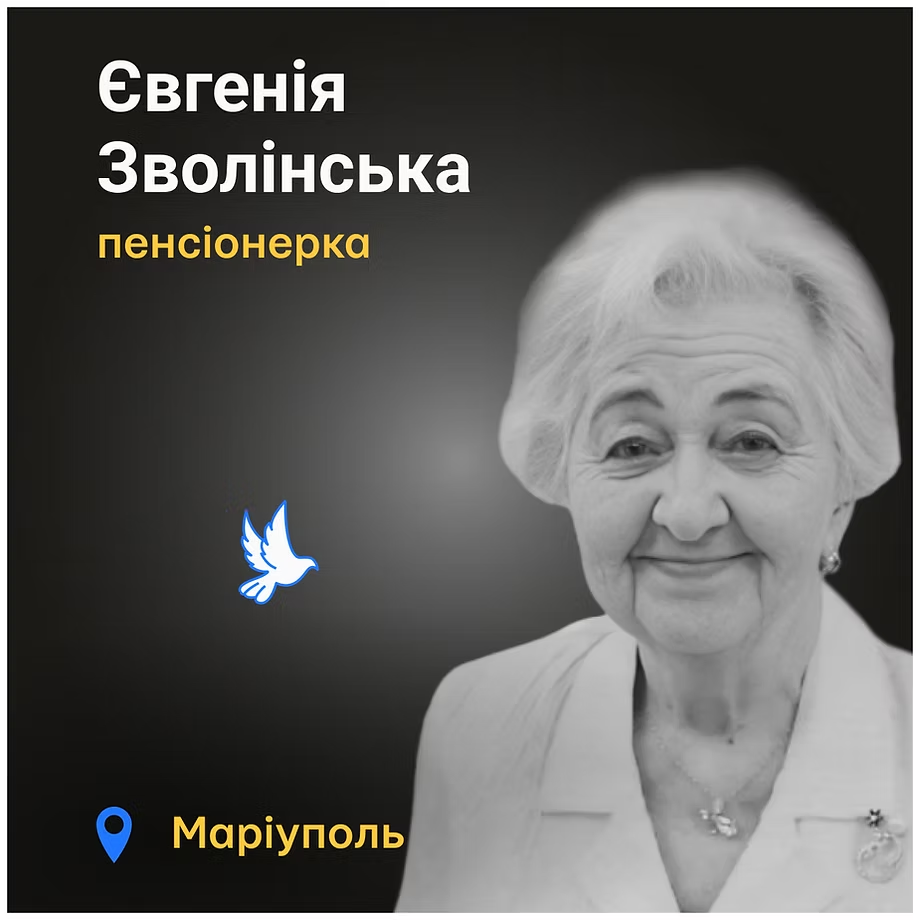
For people who have lost their relatives and cannot visit their graves because of the occupation, a digital memorial has an added value.
What is the main purpose of your documentaries? How do these films influence society in Ukraine and abroad, have you received any feedback that has moved you, does anything else come to mind?
Our films document the events we are living through and honour the memory of the victims. We managed to show some of them abroad and they made a strong impression on the audience. Films are another (and very important) way to talk about the cost of Ukrainian freedom and the cost of war, to talk about Russia’s war crimes, and to share pain and traumatic experiences. For example, friends and colleagues get together to watch the film Austin. The World is Upside Down, dedicated to the memory of the defender Maksym Ostiak. They remember, laugh and mourn together. Such films are also about warm memories, about fond memories.
One of our partners in Germany, Natalia Perova, founder of the organisation Vilni_de_ua, wrote after the screening of the film about mothers whose sons were killed in Mariupol:
‘I have been organising various events in Germany in support of Ukraine for a year. I have come to realise that aggressive protests and rallies are no longer necessary. Now I want to show Germans the war from a different perspective: through exhibitions and films. At the screening of the commemorative film It’s All Right, Mum, Ukrainians cried and Germans thought about what they saw. Such films should be shown in European countries’.
I would also like to add a response from Anastasia Rymbalovych, the organiser of the exhibition in Switzerland, where the Memorial film Living When Your World Was Taken Away was actually screened. The film tells the story of two men who lost their families… their children, their wives, their grandchildren.
‘I watched a lot of documentaries before I chose this one — the memorial film ‘To Live When Your World Was Taken Away’. War. Murder. The loss. I saw people’s emotions during and after the screening… Everyone should see this film. This is something we cannot forget,’ said Anastasia Rymbalovych.
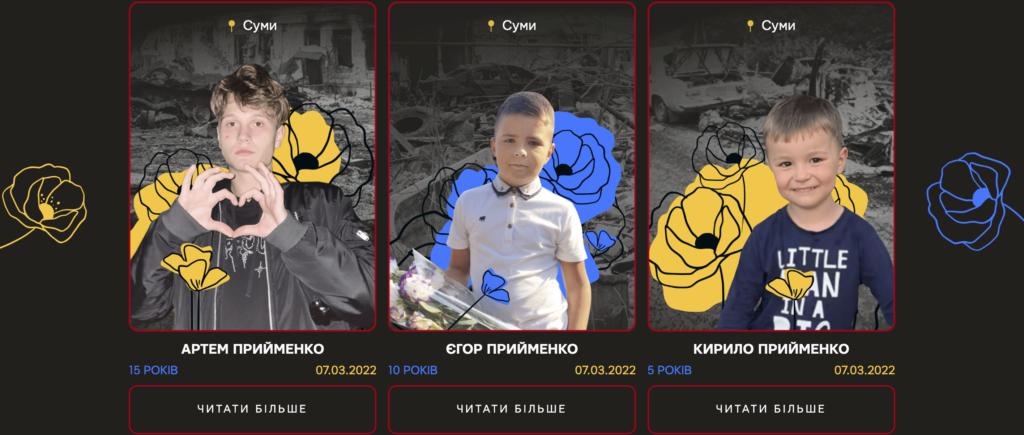
We received similar feedback after the screenings of the exhibition Lost Childhood — about the dead children. This year, with the help of our partners in Lithuania, we were able to show this exhibition in the Seimas in Vilnius. It was the first time that the stories of children killed by Russia were shown in the parliament of an EU country.
‘This is the first time this exhibition has been shown in the parliament of a European country, and we have received a strong response. The eyes of these children are our most powerful weapon. They make us fight even harder and support Ukraine,’ said Arunas Valiulis, a professor at Vilnius University and co-organiser of the exhibition.
What challenges does your project team face when dealing with such a difficult topic? How do you overcome them?
We have strong people in our team. Some of my colleagues have their own stories of loss. Working on the Memorial has united us around the ideas we believe in. Of course, there are emotional difficulties. Each of us is touched by stories of lost lives. We find our own ways to recover: time with family, travelling, walking, reading, but the biggest motivation is the sense of importance of what we are doing. I think that is what helps us the most.
The biggest challenge for us now is financial. The Memorial is mainly funded by donors, to whom we are very grateful. But this support is not enough and it is diminishing. In order to keep our team together and continue our work, we have announced a Donate to Memory campaign for the first time in three years. We are collecting one million hryvnias.
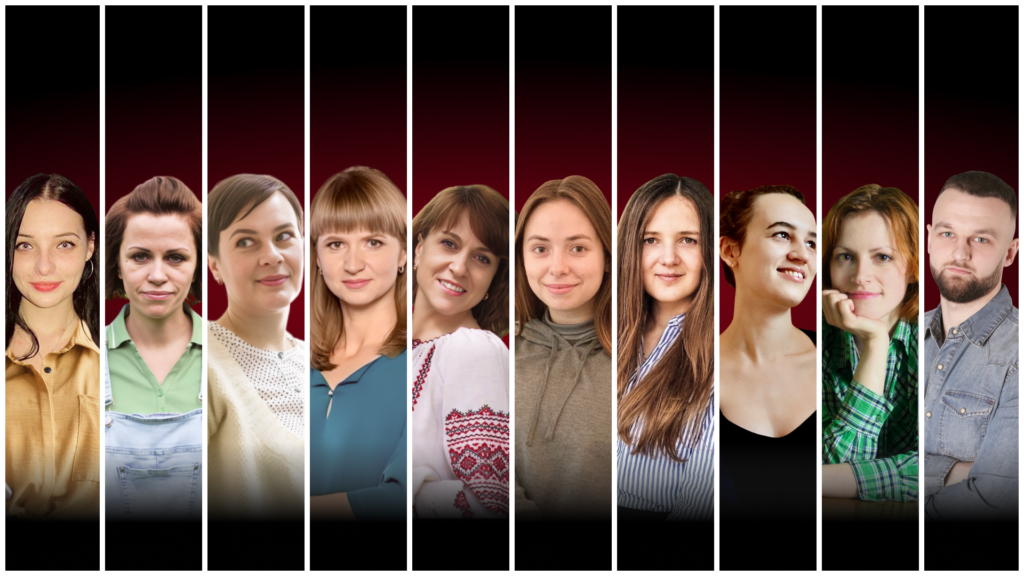
I am touched by the way people have responded to the fundraising — many words of support, especially from the families of the victims. They send donations and write words of gratitude and the names of their loved ones in the payment instructions. The victims’ families also become ambassadors for the Memorial, opening friendly banks to support the collection. In total, we have 20 ambassadors for the campaign, including artists, scientists, media professionals and victims’ families. People who care about the Memorial and understand the importance of our work. We are grateful to all our Ambassadors!
Today, the Memorial team is also seeking support from donors and socially responsible companies. Having told 9,000 stories, and seeing how many new completed questionnaires and messages about victims we receive every day, we know we have years of work ahead of us.
How can an ordinary citizen, for example one of our readers, make a small contribution to your cause?
How can one help the Memorial? Tell us about those you knew and those you lost.
This is a questionnaire for stories of fallen heroes.
This is a questionnaire for stories of civilians killed.
Follow our social media pages:
Donate on the support page:
https://www.victims.memorial/supportus;
https://www.victims.memorial/donate-eng (for international transfers).
Become an ambassador of the Memorial by writing to us in Messenger or calling us: +380 98 379 2169 (our office number).
What values do you want to convey through the Heroes’ Memorial project in Ukraine and abroad?
For me, this project is about the value of human life, of each individual, about dignity, respect and gratitude, about mutual support. Nothing is more important to protect than the right to dignity and life in times of war. Our stories tell not only who died and how, but also what people dreamed of, where they worked, what they liked to do, what they read, what music they listened to, who they wanted to become, and who of their loved ones they left behind. Each story is a universe in itself.
I believe that remembering the price of freedom and the price of war through people’s personal stories is enormously important for us and for those who will come after us. Memory is what binds Ukrainians together as a nation, what makes us stronger, what unites us. As a society, we must live through our traumas together, record our experiences and pass them on as a legacy to future generations. Our future depends on how we preserve our history now.
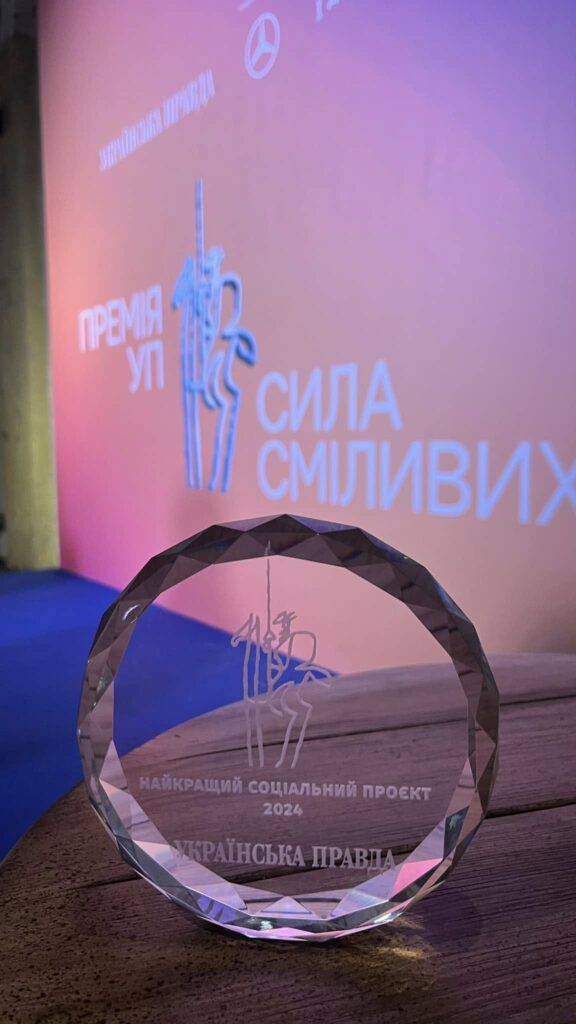
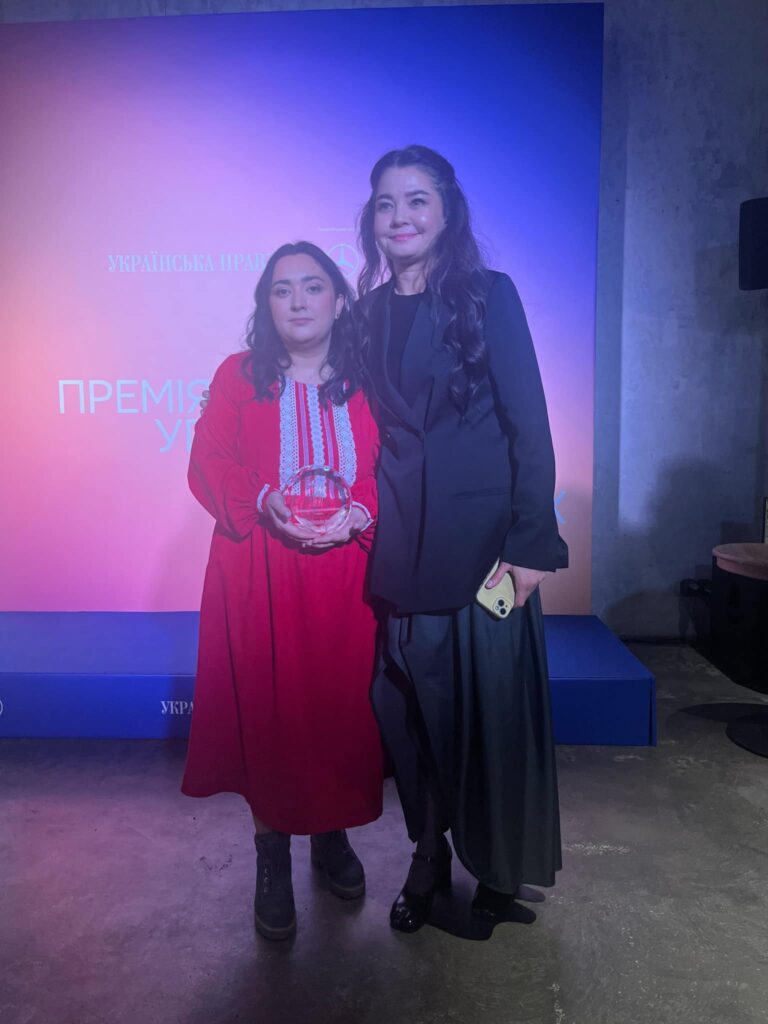
How do you see the project’s role in shaping Ukraine’s historical memory of the war and its heroes in many years to come? I think everyone is aware that this war will occupy a huge place in the history textbooks of the future and will be a tremendous topic of discussion for centuries to come. And that means that the memory of the victims of this war should also be preserved for centuries. Do you think this project has the potential to become one of the driving forces in this process of shaping and preserving the memory of those who fought for our freedom and the future of our children at the cost of their own lives?
The value of the project will only grow with time. It is a huge database for historians, documentary filmmakers and cinematographers. It is also important for justice, as the stories we have documented contain evidence of war crimes. We are already working with human rights activists: we have experience of working with the Clooney Foundation and Human Rights Watch.
The Memorial preserves the truth about the price of our freedom. Now — during the war — it is our duty as eyewitnesses to document and preserve all the facts and stories, and then we will be able to understand the collected information more deeply.
And in 5–10 years, the co-founders of the Memorial see it as a physical space — a museum in Kyiv that will honour people’s memory through personal stories and digital solutions.


