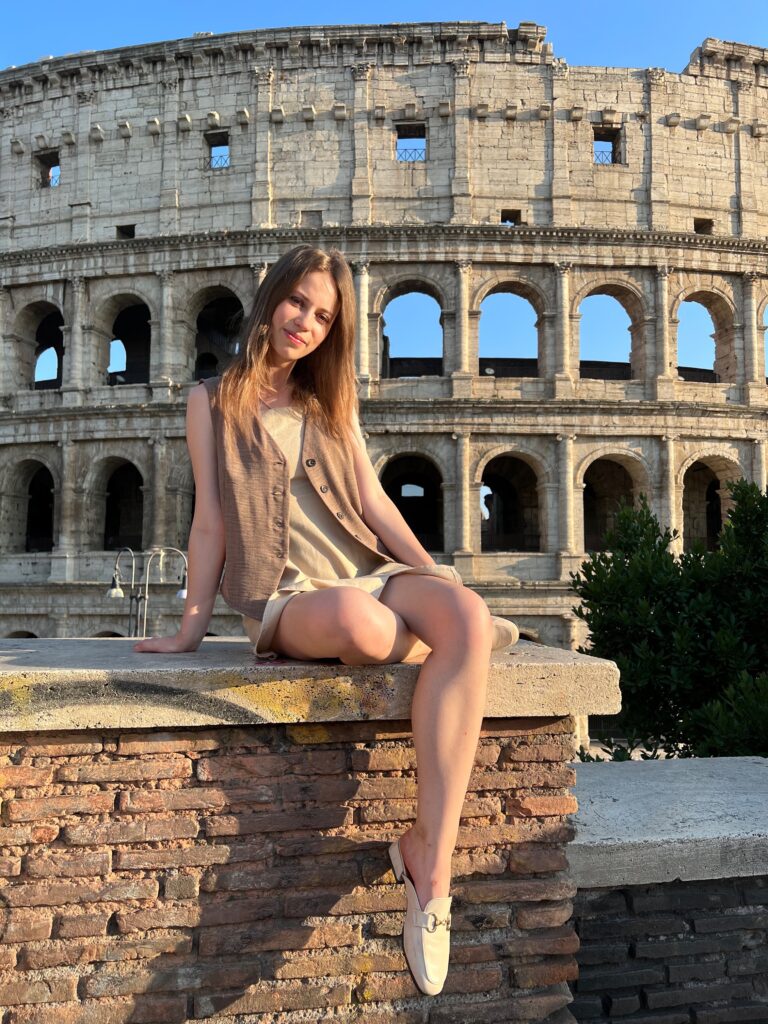
Nadiya, please introduce yourself to our readers.
I am from the village of Strelska in the Rivne region. After graduating from school, I dreamed of living in the capital because I thought that Kyiv offered great opportunities. But as it turned out, I enrolled in the National University of Water and Environmental Engineering in Rivne and have lived there ever since. As time went by, I realised that it is not cities that provide opportunities, but we ourselves find and create them.
I am really jealous of people who know where they want to work and where they see themselves in a few years’ time. I have tried different jobs (I currently work as an assistant to a CEO and as a recruiter for a local clothing brand) and even worked in politics.
But there is one activity that inspires me — volunteering.
At the age of 19, life circumstances made me rethink my life. I realised that I wanted to do something good and useful. In search of a possible self-realisation, I came to the local volunteer school, where I got acquainted with the activities of local NGOs, learnt about one of them — the Rivne Rotaract Club — and joined it in 2021. So I’ve been a member for four years and the president for three. In general, the club has a democratic system and the president changes every year, but now there is no other person willing to lead the process and direct the organisation’s activities.
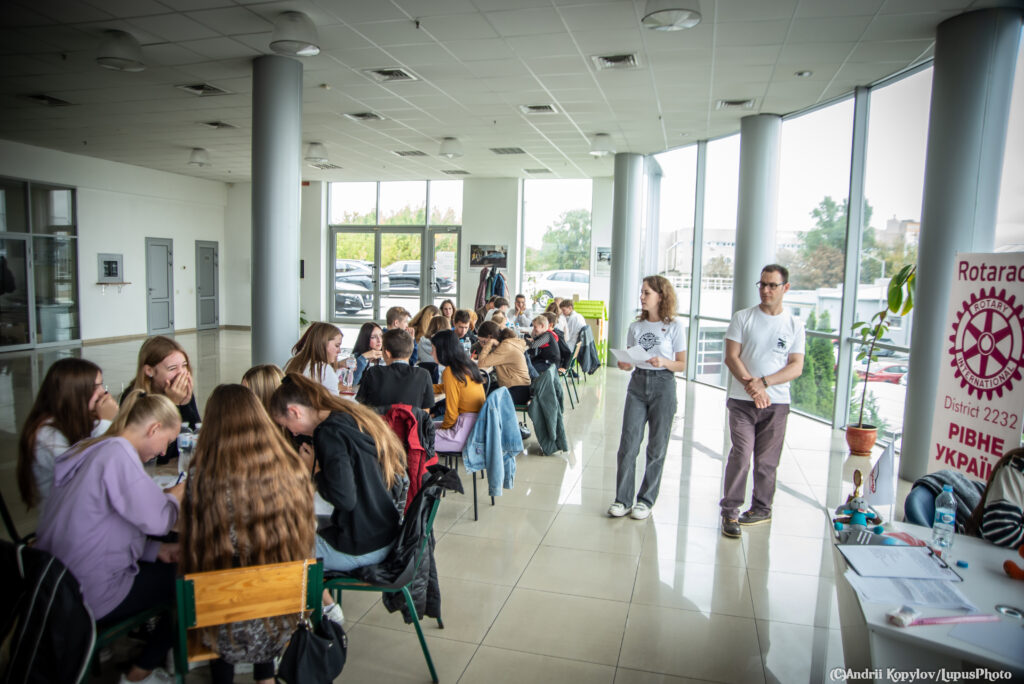
In general, the NGO has been working in Rivne for almost 27 years. It is the centre of a global youth club that aims to find opportunities for young people to develop professionally and personally, to help their local community and beyond, to cooperate and make connections with other participants from around the world. My first project at the NGO was the Ukraine trip, when Rotaract club members from different countries visited Ukrainian cities. We shared our culture, way of life, entertainment, and local heritage. And for me it was wow, I wanted the whole world to know this small, indigenous and so strong country. At that time there were 10 active members in the organisation. Now, because of the war, there are only six of us left. We have different professions: lawyers, analysts, engineers, agronomists, but we are united by one goal — to help others, our community, to change and transform this world.
Before the full-scale invasion, the organisation had many projects that were united by a single idea: to serve beyond ourselves, to contribute to the development of society and to help solve important problems. We took care of the social development of children from boarding schools, held workshops for them on making rag dolls, painting gingerbread cookies and drawing. We held various cooking days for children with autism: we baked pizza together, made waffles and sweets. We also had an annual project called “Everyone Can Become a Wizard”, which has been running for 10 years in a row. As part of this, children from the Velykomezhyrichi boarding school wrote letters to Saint Nicholas telling him about their biggest wishes. We published them on social media and everyone was able to make a child’s wish come true.
Tell us what the day of 24 February 2022 was like for you — the start of the full invasion. Did you pack your bags or leave your village?
I think everyone will remember that day. I was 80% sure that a full-scale war was about to begin. Of course, there were hopes that it would not happen, but I had my documents on my desk, a jacket ready, clothes and a small rucksack that remained empty because I still believed that I would not need it.
I was living in a student hostel at the time. I woke up to the sound of news. It was a working group in which our colleague wrote that a full-scale war had started, and she could not come to Rivne from Kyiv. Then a long reading of the news. I went to work and was told that they were closing. She returned to the dormitory and was told that it was closed and that she had to move out in the morning. I was a bit stressed, but I pulled myself together. Thanks to my friends, the problem of accommodation was solved. I stayed on in Rivne, which was relatively quiet, although there was still the threat of an attack from the Belarusian border. My friend and I lived in an apartment, afraid to leave the house. When they attacked the airport, we were mentally prepared because they attacked airports all over the country. A few days later we decided to go to the net weaving. It had its own atmosphere, its own jokes, and it was very distracting. Our NGO had some money in our account, and we decided to buy medicine. I remember going to the pharmacy with the list, and when people heard that it was for the military, they gave us money right there in the pharmacy. It was nice to see the people of Rivne united like that.
In the spring I went abroad. Not because I was running away from the war, but because I really wanted to see my sister and friends, to get away for a while. I travelled by bus with tears in my eyes, worried that my house would not be destroyed, that my family would be okay, that I would have a place to return to. And when I came back a few weeks later, I also had tears in my eyes because I was happy to have a place to go back to.
What was the Rivne Rotaract Club’s first initiative to help the Ukrainian military? How successful was it?
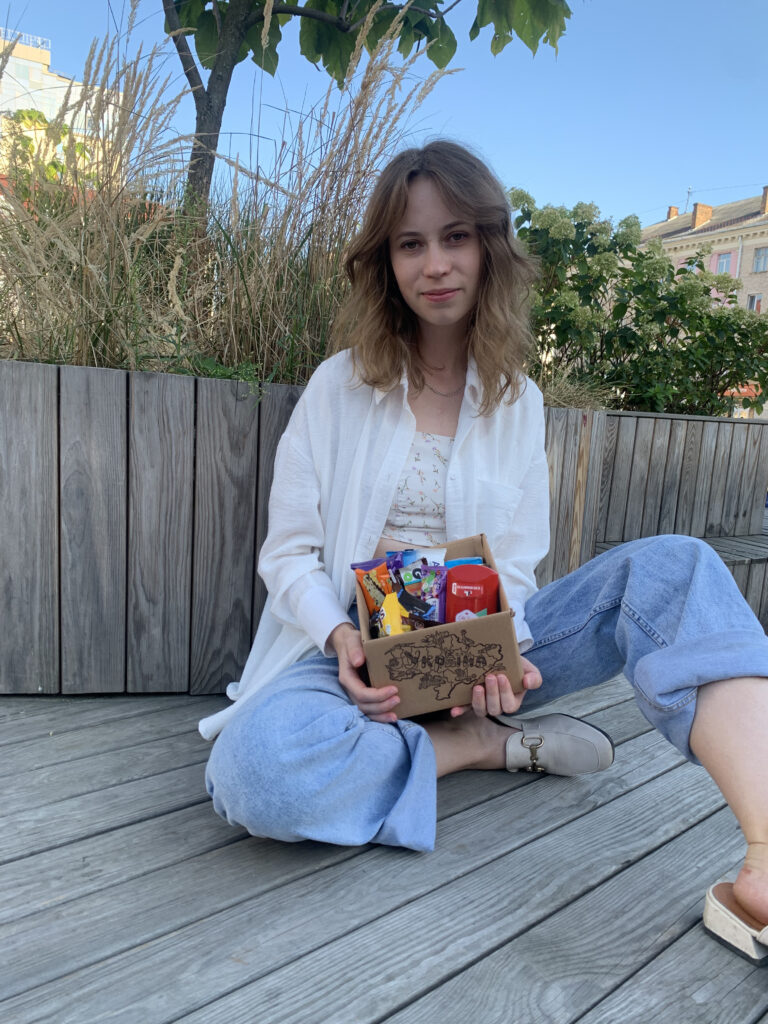
Some of our team members went abroad, and those who stayed were a bit broken by the situation in the country. Later, we got together, and I suggested that we make gifts for the military to support them, boost their morale, and show them that we think about them and are proud of them.
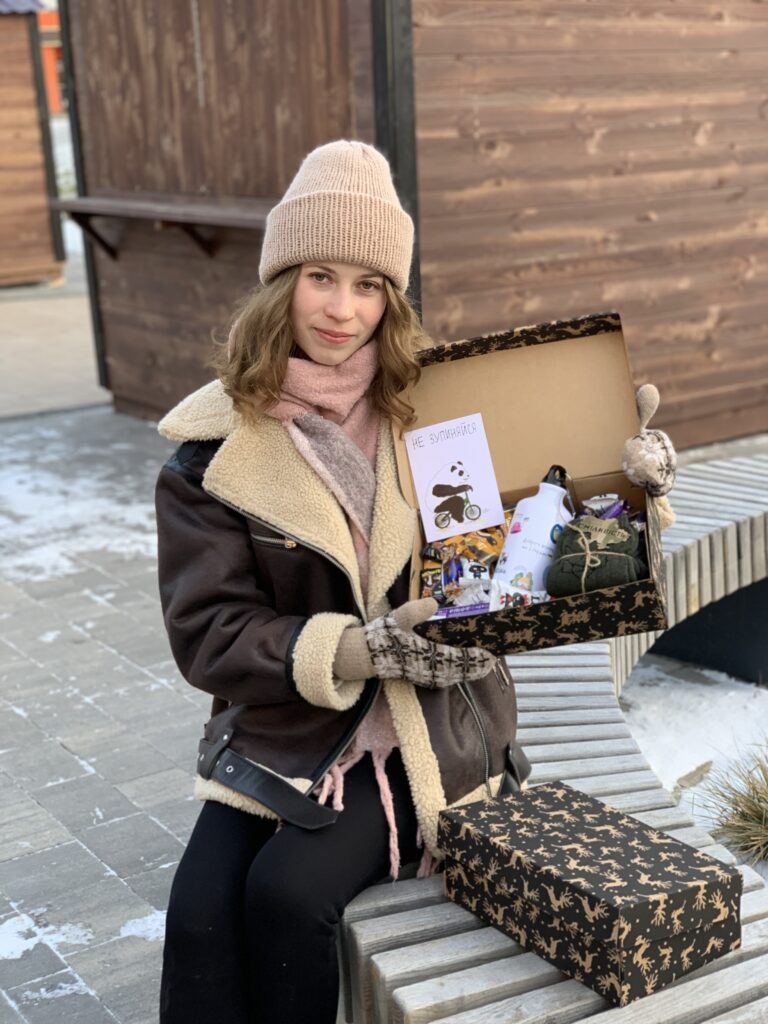
We packed about 30 presents for one of the platoons of the 24th Brigade. I still remember that box, putting it together, filling it with warmth and love. There was coffee, tea, chocolate bars, lots of candy, socks, toiletries, a signed postcard, and a chameleon mug or flask with illustrations by Stella Sun Studio of original postcards with inscriptions: “I believe in you”, “Don’t stop”, “My home is at the end of the road — I meet my enemy first”.
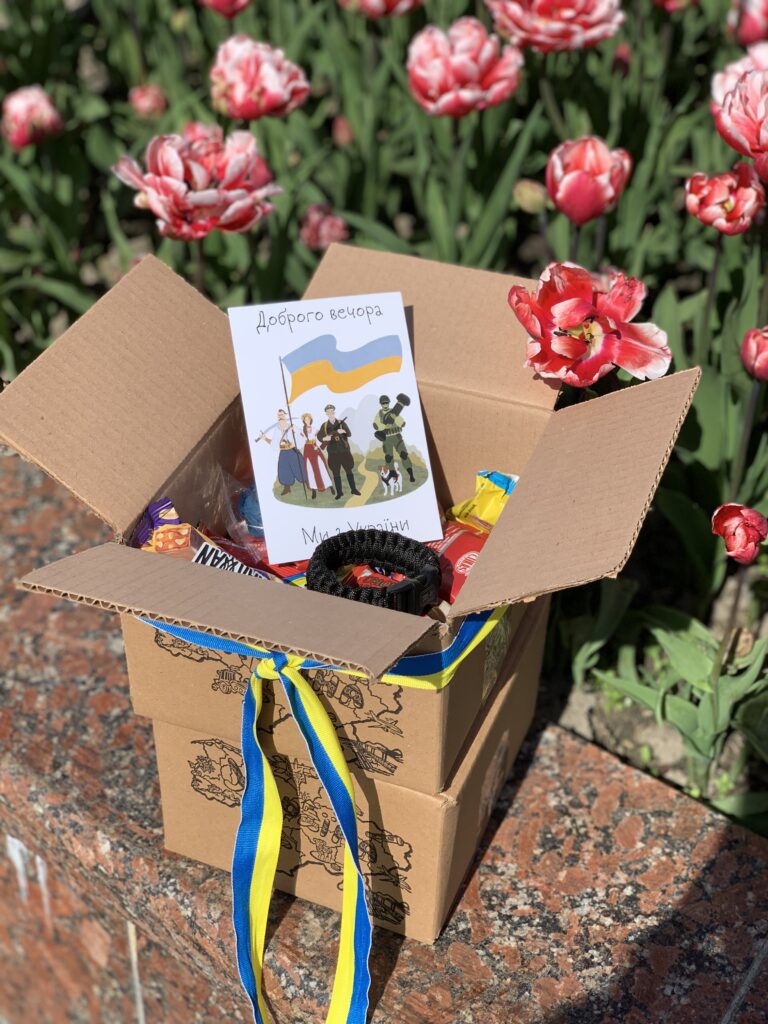
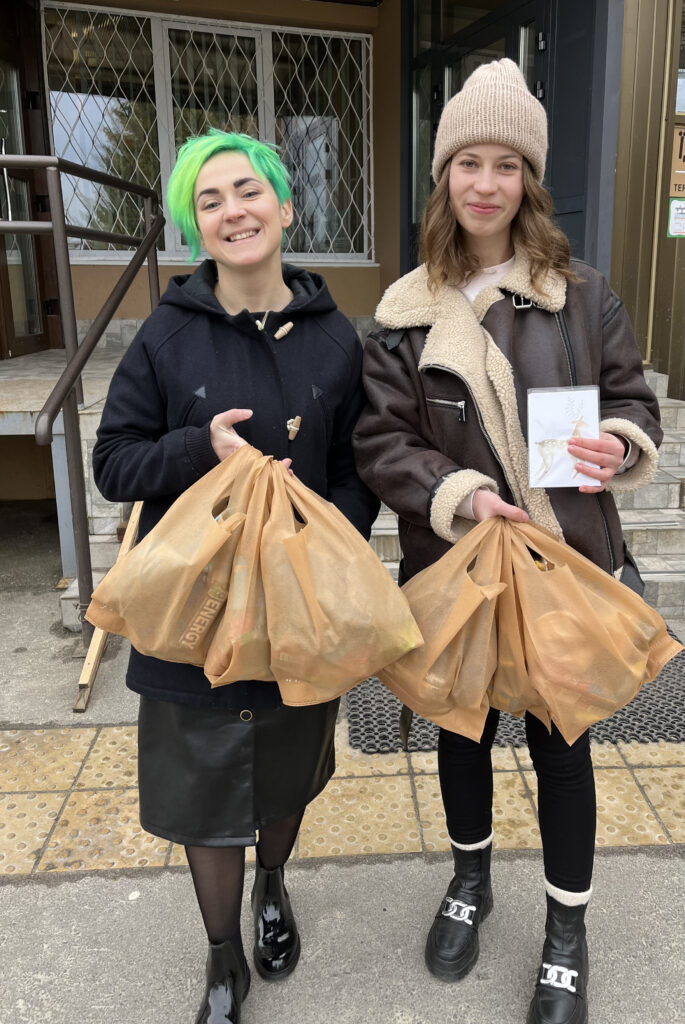
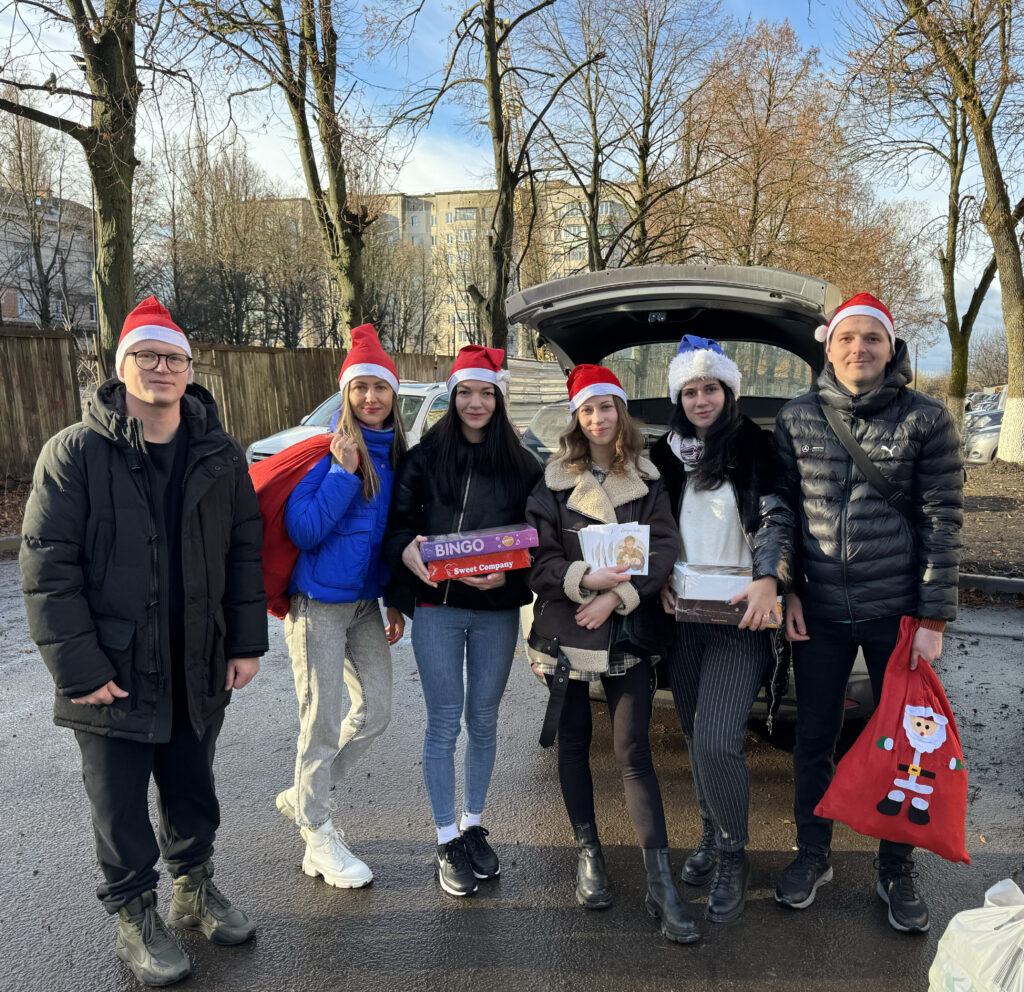
Our defenders were very happy to receive such pleasantries and sent us many words of gratitude. My friend told me that her friend’s husband had received this gift. His family had not been able to send him anything at the time, and he was very happy to receive a gift from Rivne. It was touching to see the soldiers lining up and taking pictures with the gifts. It inspired me to continue with such projects. We often raise money for urgent needs, but these boxes are something different, something special. We continued to make the ‘support box’ but changed the contents or added Easter cakes at Easter, for example. Later we started a campaign where anyone could put together a gift for a defender, we added something and sent it all together.
For me, the most heartwarming of our initiatives is visiting wounded soldiers in hospital. At first, not everyone accepted my spontaneous idea. Many people convinced me that I shouldn’t go, that it was inappropriate. But I was supported by an active member of my team. We bought chocolates, yoghurts, toiletries, underwear, T-shirts, postcards and fruit. We put it all in a gift bag, a Santa Claus sock and went to wish them a Happy New Year. It was nice to see how happy the soldiers were and how friendly the hospital staff were. When we started talking about the visit on social media, people started joining in and writing: “What a great idea!” as well as donating money and sending sweets to show their concern.
During the visits, we joke, tell them we are proud, give them gifts, hug them, and the soldiers feel important. I remember once we entered a ward and a soldier in his 50s burst into tears when we thanked him for his service. It was so emotional, he couldn’t stop, we just hugged him. It’s hard to comprehend how many broken lives, how much fear and pain this war has brought us. For me personally, this project is extremely important, I want every defender to know that they are not alone, that they are awaited at home, that they are appreciated and proud. I want to hug each one of them and tell them that they are cool.
We don’t advertise large collections because we’re not sure if we’ll be able to complete them. But even small amounts help us to send essential items to the front line: sleeping bags, raincoats, hot water bottles, gas canisters, sweets and toiletries.
I am delighted that in 2023 we have also been able to run projects for children. Due to a lack of funds, they were not as large, but they were just as heartfelt. In addition, boys and girls joined us in painting postcards for our defenders.
All members of the organisation are involved in our projects, and often friends or those who want to try their hand at volunteering help out on an ad hoc basis. We work with other organisations or initiatives because together we can do more. Sometimes we are supported by socially responsible companies.
How do you manage to combine work and volunteering? What is your craziest day, and what is your calmest day?
It’s not difficult to combine work and volunteering because I enjoy volunteering. I work full time, from 9 to 18 hours, like the other members of the organisation. That’s why we get together after work to pack and send things. At weekends we do events or projects.
A crazy day goes like this. I wake up, run to work where I do interviews and give tours of the company. After work, I go to the warehouses to get what I need, then to Nova Poshta to get packages for the military, then I bring everything to the organisation’s office where I pack and ship with my friends. Yes, this activity takes a bit of energy, but it inspires me and I like to feel that I am part of something bigger. Everyone can change the world for the better and make the country better, instead of saying that we are not solving anything.
My quiet day is when I am only busy at work, then I go out with friends or have dinner at home.
But I prefer active days. I often think that my activities are small, that I do little to win, and that I could do much more. Recently I was trained in communication strategy for an NGO. There were volunteers there who evacuate people from frontline settlements, from bombardments and explosions, or take necessary things to the frontline for the military. I admire them!
What is your organisation going to do after we win? What skills will you be able to use in the future?
Volunteering has given me great skills: rallying around an idea, working in a team, communicating, organising time, people and events. We haven’t planned what we will do after we win. But we are confident that we will find ways to be useful to the country. We will probably take care of veterans and continue our projects for children and young people to help them develop and discover Ukraine.
Translator: Ivan Chepaykin
The material was produced with the support of the NGO “Institute of Mass Information” as part of a project of the international organisation Internews Network.


