

UA
EN
Киянин Віталій Торчинський — айтівець. До повномасштабного вторгнення його хобі були програмування та електроніка, адже це й улюблена справа, і підтримка власної конкурентоздатності на ринку праці.
З початку повномасштабного вторгнення увесь вільний час — після роботи та у вихідні — волонтер присвячує ремонту дронів. За рік роботи відремонтував їх вже понад 150.
Далі — пряма мова Віталія Торчинського.
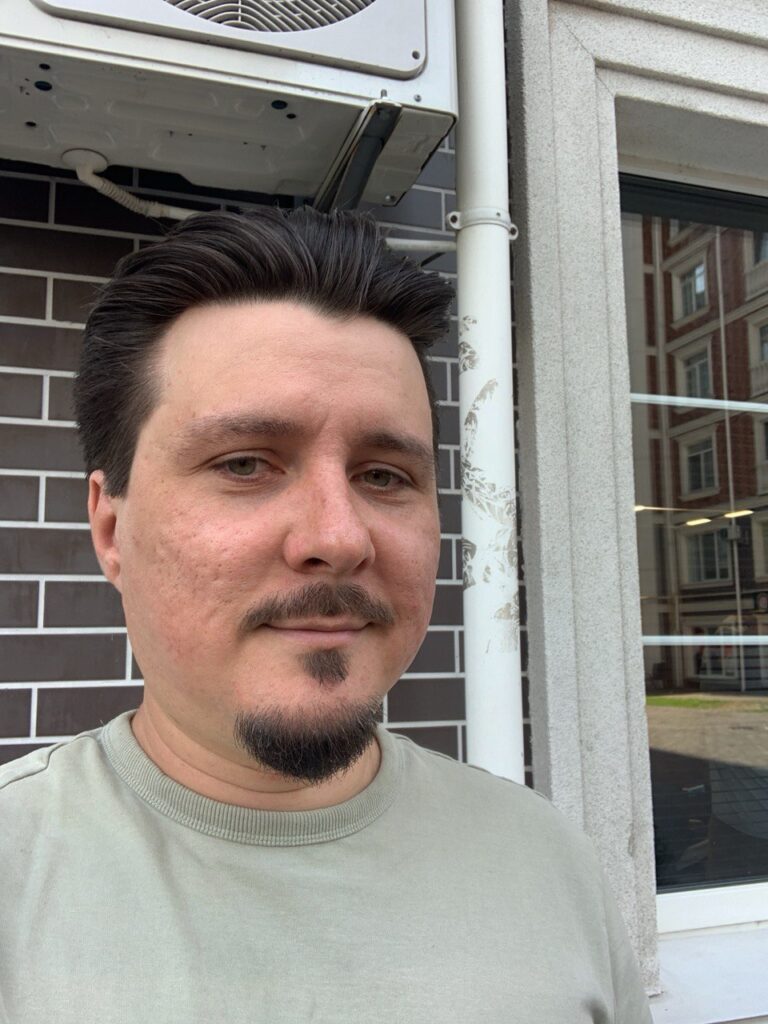
Моїм хобі й водночас роботою є електроніка та програмування
Уже рік я займаюся ремонтом дронів, виключно для ЗСУ. Маю право і бажання цим займатися, бо отримав повну вищу технічну освіту. Я закінчив факультет електроніки Київського політехнічного університету, приїхавши на навчання з міста Кременчука Полтавської області.
Електроніка і програмування — моє хобі з 3-го класу. Я любив розбирати електронну техніку, дивитися, як вона влаштована, і складати наново. З часом набував все більше досвіду і навіть ремонтував те, що було до цього несправним.
Але найбільше подобалося писати програми та бачити, як вони працюють, у той період, коли тільки з’являлися персональні комп’ютери. І коли почалася ера комп’ютерних ігор, яка захопила майже усіх підлітків, я більше створював програми, ніж грав. Надавав перевагу розробці низькорівневих програм, які напряму взаємодіють із «залізом». Тоді не було ютубу, де можна було подивитися ролик і повторити необхідні операції. А треба було відкрити та вивчити величезну документацію, знайти у продажу необхідний мікроконтролер, зібрати програматор, дізнатися, як писати під нього програму, прошити… Це був захопливий процес.
Свою першу програму я пам’ятаю дотепер. Це була примітивна блималка із сімома світлодіодами, які вмикалися за тим алгоритмом, який я прописав. Той факт, що я тримав в руках річ, яку створив сам, мотивувало займатися цією справою далі, що я, власне, й робив.
Почав працювати ще з II курсу, пам’ятаю, як на ярмарку вакансій мені сподобалася одна бельгійська компанія, і я попросився туди на практику. Хоча я був достатньо молодим, проте фахівцям сподобалася моя робота, і на III курсі вони запросили мене до себе.
Зараз працюю в українській аутсорсинговій ІТ-компанії.
До широкомасштабної війни у вільний від роботи час я займався… роботою. Я з цікавістю вивчаю нове в електроніці й програмуванні. Ці галузі розвиваються надзвичайно швидко, тож, щоб бути конкурентним на ринку праці, щоб мати можливість працювати з новими проєктами, треба постійно вчитися, читати нову документацію, моніторити світ нових технологій і знати про новинки. Мені все це цікаво, тому вільний час витрачав на особистий розвиток, на свою хобі-роботу.
Розуміння того, що завтра може не настати, спонукало до волонтерства
День повномасштабного вторгнення — 24 лютого 2022 року — застав нас із дружиною на дачі під Києвом, в Бучанському районі, поруч з Ірпенем. Я прокинувся, бо почув віддалений вибух, а через 10 секунд над будинком низько пролетіла ракета. Я зрозумів, що все погано. Не хотілося в це вірити, але я взяв телефон, відкрив телеграм, тицьнув у найперший канал і прочитав, що почалося повномасштабне вторгнення росії в Україну.
Оскільки я не розумів масштабів вторгнення, а машина була заправлена і речі частково зібрані, то ми з дружиною вирушили на захід країни. Через добу вже були на Львівщині, де прожили три місяці, поки не деокупували Київщину.
Моя робота дозволяє працювати віддалено. Окрім основної роботи я заробляв додаткові гроші, аби допомагати армії. У мене воює двоюрідний брат, кум, тож допомагав їм із придбанням амуніції.
За волонтерську справу спонукало взятися розуміння, що завтра може не настати, що ситуація на фронті з кожним днем стає гіршою, а також було бажання відплатити росіянам за те горе, яке вони принесли на нашу землю.
У мене є 3D-принтер. Рік тому у соцмережах я побачив, що за його допомогою волонтери друкують перехідники, хвостовики та скиди — пристрої, які чіпляються до дрона і по команді з ліхтарика відкривають свої лапки та відправляють росіянам «подаруночки».
Я теж розпочав подібну роботу. Через короткий час у мене вже були певні напрацювання, та я хотів оптимізувати процес. Річ у тім, що кріплення до снаряда і хвіст з’єднувалися друкованою трубкою. Це робило вузол досить громіздким і незручним у транспортуванні: він легко міг поламатися. Якось у мене на столі опинилася бамбукова шпажка, і мені спало на думку з’єднати нею кріплення і хвіст, тим самим відмовившись від друку трубки, що до того ж й здешевлювало виріб. А також це дозволяло робити достатньо довгий винос хвостовика, що стабілізувало снаряд і не треба було високо запускати дрон, тим самим збільшуючи його прицільність.
Цією ідеєю я поділився в онлайн-спільноті «Перевірена бавовна», до якої вирішив доєднатися. Але до новації там спочатку поставилися недовірливо… До сьогодні вказані елементи у нашій спільноті скріплюють бамбуковими шпажками.
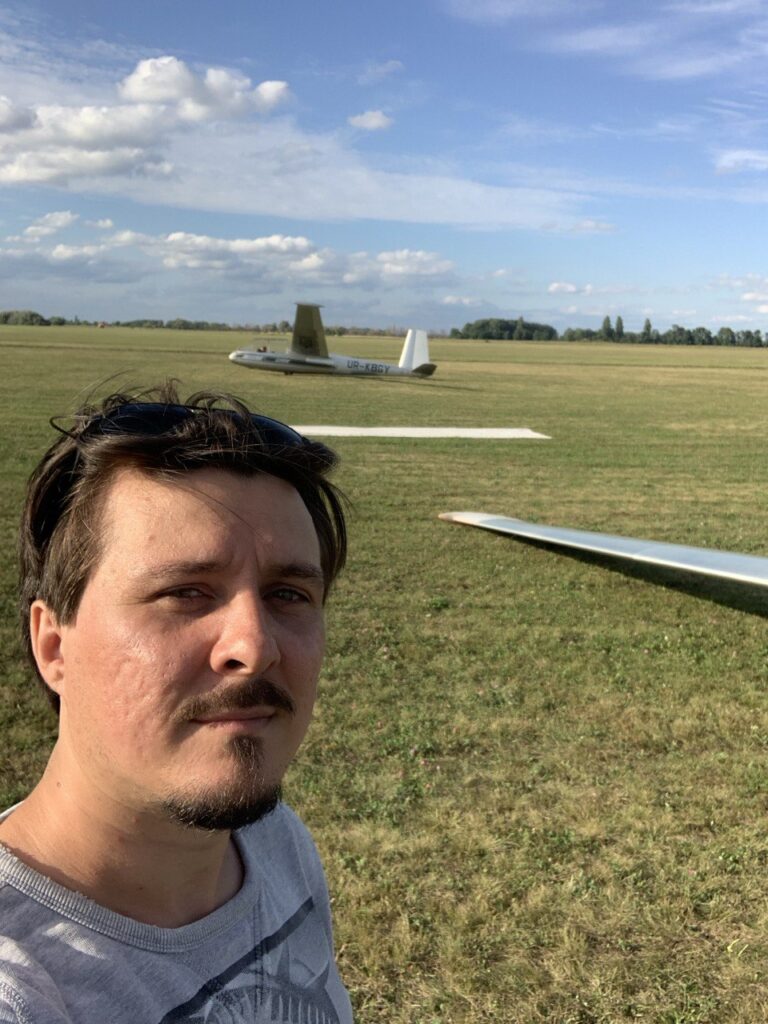
Взявся за ремонт дронів, хоч до цього не робив цього
Один з учасників спільноти до всього займався ремонтом дронів. Його просто закидували запитами, і він шукав того, хто також може взяти на себе відновлення цієї техніки.
На той момент я ніколи не ремонтував жодного дрона. Але в мене є обладнання, інструменти, є великий досвід розробки електроніки та досвід програмування. Я подумав: якщо це створили люди, значить, люди це можуть і відремонтувати. І погодився.
Спочатку вивчив відеогайди (ролики, де навчають якимсь конкретним навичкам та дають дуже конкретні знання – ред.), а потім почав повторювати побачене. Після ремонту декількох «пташок» я вже міг їх ремонтувати із зав’язаними очима.
Кожен дрон унікальний, пошкодження теж унікальні. Тож на відновлення кожного іде різна кількість часу. За моїми підрахунками, за рік я відремонтував понад 150 дронів та ще чимало тепловізорів та пультів.
Я продовжую працювати в ІТ, заробляючи гроші на ремонт дронів, яким я займаюся після роботи та на вихідних від світанку і до ночі. У вільні проміжки часу можу поставити друкувати необхідні деталі на 3D-принтері. Ще консультую по дронах чи по електроніці.
Поєднувати роботу і волонтерство в таких обсягах надзвичайно важко, бо хочеться відпочити. Але я не можу собі це дозволити, бо розумію, що військовий, який чекає на відремонтований дрон, кожну хвилину ризикує своїм життям. Тож за рік відпочивав я тільки два рази, розібравшись з усіма “завалами”, і то це тривало трохи менше одного дня, бо техніка знову стала прибувати. Дружина розуміє і підтримує мене.
Військові мене часто запитують, скільки коштуватиме ремонт. Моє головне правило — для військових ремонт безплатний.
Мої друзі знають, чим я займаюся, тож без моїх прохань самі приходять з фінансовою підтримкою. Моя картка є в спільноті, тому кожен за бажанням може закинути туди грошей.
Допомагаю різним підрозділам. Уже важко сказати, звідки у мене не було «пташок». Зараз надзвичайно велика хвиля пошкоджених дронів, тож я одразу попереджаю, що треба буде чекати 3-4 тижні (якщо ваш підрозділ замовить ремонт одного з таких дронів – ред.).
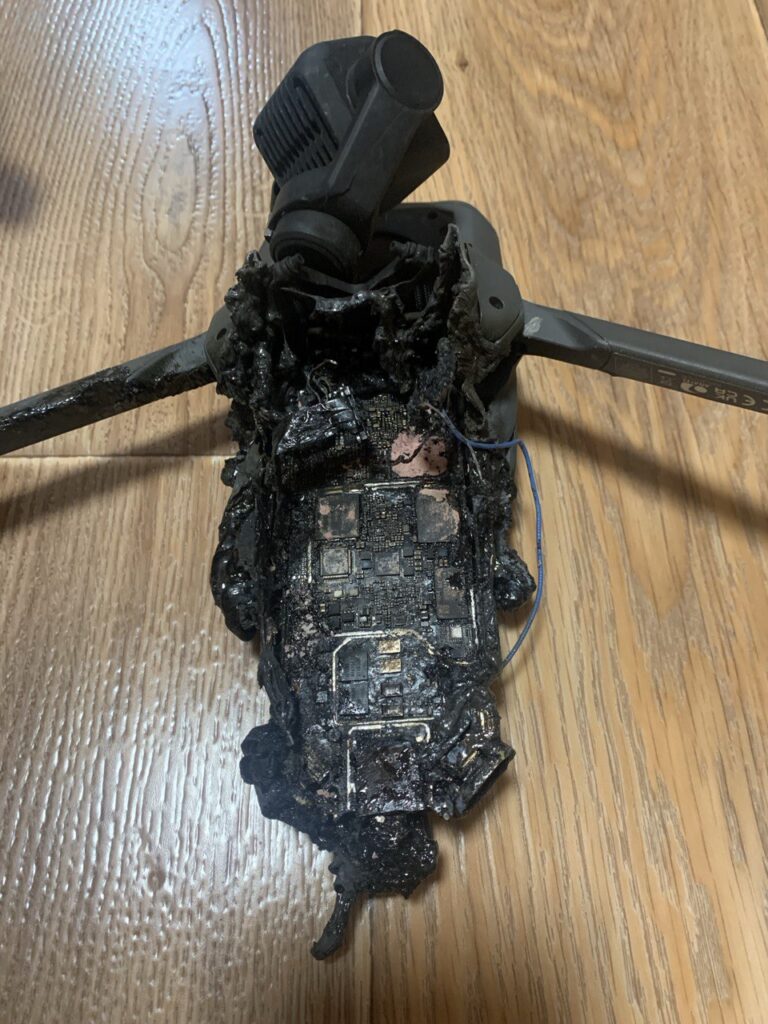
Мотивація — зберегти життя українських військових
Моя філософія: чим більше воюють машини, тим менше гинуть люди (окрім росіян, звісно). Коли є дрон, то він летить у розвідку, а коли його немає, то відбувається розвідка боєм. Тож я займаюся тим, що зберігає людям життя. А коли військові присилають відео з відремонтованої «пташки», яка робить гарні справи, — це слугує додатковою мотивацією для мене.
У знак подяки захисники дарують мені шеврони. Уже маю колекцію з двадцяти одиниць, кожен шеврон має свою історію.
Кожна подяка з передової пробирає до мурах. Серед прикладів, що спадають на думку, можу пригадати кілька: коли пілоти з декількох льотних команд підписали мені свій бригадний прапор, або ж коли артилеристи на снарядах написали від мене побажання нашим ненормальним сусідам і відправили його.
Я перебуваю на обліку у військкоматі. Не виїжджав і не збираюся виїжджати з країни. Увесь вільний час ефективно допомагаю фронту. Зараз беру участь в новому проєкті. Про нього поки можу розповісти те, що тільки за документами я не знаходжусь в армії. Друзі мене запитують, чи не боюся, що мене прямо там мобілізують. Насправді немає такого страху. На питання, що буде, коли мені вручать повістку, я ставлю зустрічне питання: а що буде, коли тобі у двері постукають росіяни? Коли у мене закінчаться можливості допомагати у той спосіб, про який я розповів вам, можна й в окоп з автоматом.
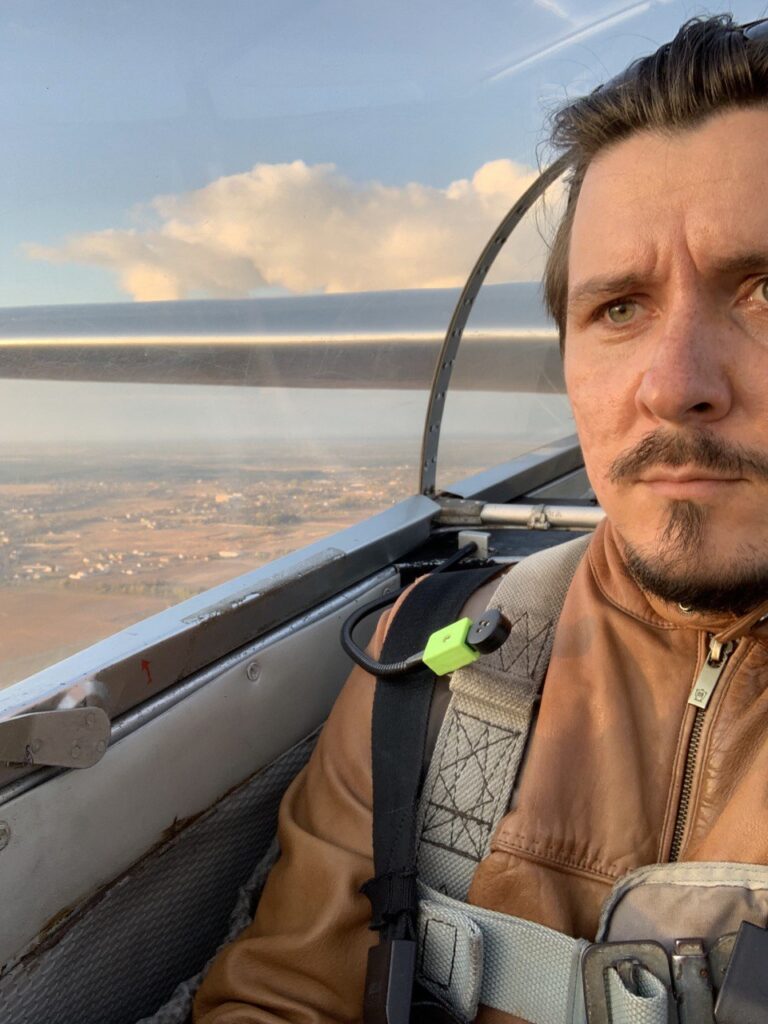
Після перемоги мені було б цікаво продовжити посилювати обороноздатність країни. А також повернутися до ще одного свого улюбленого заняття. До широкомасштабної війни я літав на планерах і мав отримувати ліцензію приватного пілота. Та війна все змінила: небо закрили, російські військові розбомбили аеродром. Тож літати доводиться лише на дронах і радіокерованих літачках. Поки що.


