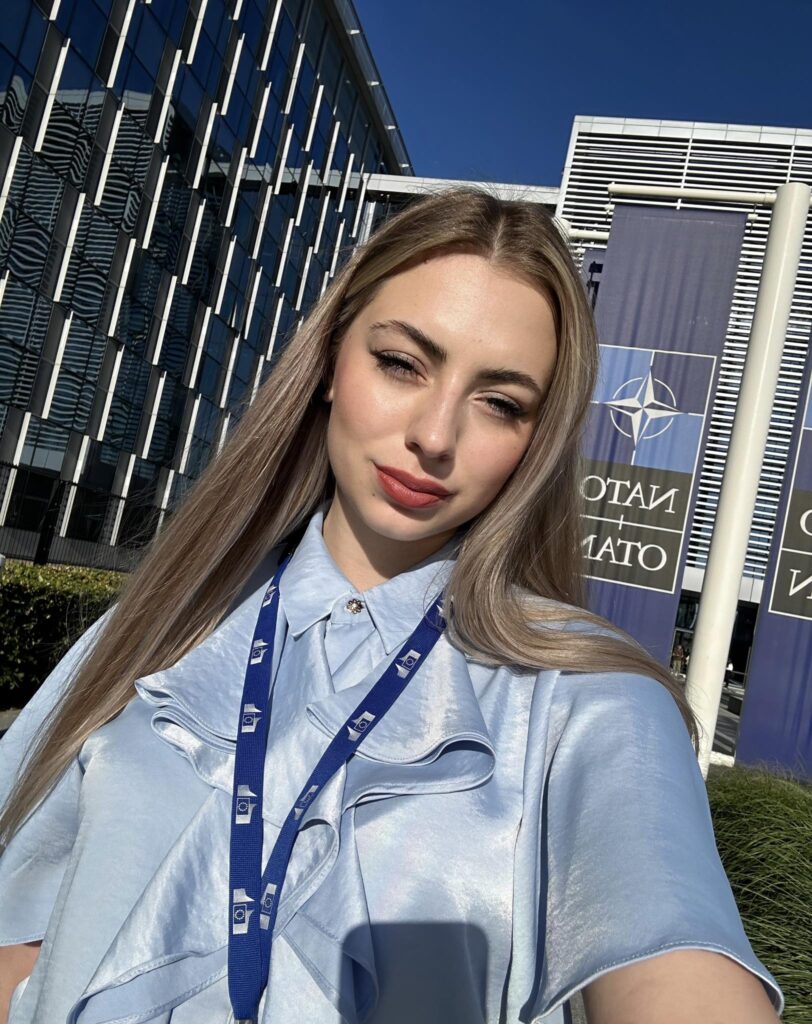
Of course, our lives will never be the same after 24 February 2022, when terrible explosions from Russian missiles were heard all over Ukraine. Can you go back in time and describe for us where you were on that day?
What were you doing in the first days, weeks, months of the full-scale war? Were you involved in any organisations, volunteer movements or events to support the country?
During the full-scale invasion, I was in Zaporizhzhia (my hometown, where I come from). I was a 4th year student at the journalism faculty of ZNU. I was studying and working at the same time at the local media outlet IPnews. I remember that in the first days of the war, the editorial team and I worked around the clock. I was basically just sitting at the computer writing news and running to the shelter when the air raid alarm went off. The editorial staff and I joined various volunteer movements. In the first days of the full-scale invasion there was a lot going on, Ukrainians were united and therefore constantly trying to help everyone and spread the necessary information, including through journalists. In the early days of the full-scale war, I also spoke to Western journalists to convey our true feelings and what we were going through.
You have also recently completed a Master’s degree at the Université Libre de Bruxelles (ULB). You have been working in Belgium for some time now, yes. Can you tell us about the support for our country and Ukrainians abroad? As we know, Brussels is in many ways the centre of Europe. Many international events take place here and representatives of many countries, including Ukraine, come here. How does the issue of the war in Ukraine come up in the heart of Europe, based on what you’ve seen and heard yourself?
I have finally finished my studies – an MA in political science. I would like to say that the support for Ukraine in Brussels is very strong. This applies both to simple human relations and to political decisions. For example, when I arrived in Belgium, I was met by my host family, the founder of Euractiv media, Christophe Leclerc and his wife Sharon. They have a pro-Ukrainian stance, help Ukrainians and are even members of a Ukrainian NGO in Brussels. And I already know many Ukrainians who have been warmly welcomed in Belgium. As far as political decisions are concerned, I can say that we are now receiving more support than at any time in our history, and this support is growing. In Brussels, when you introduce yourself and say that you are from Ukraine, you immediately feel solidarity. People are well aware of what is happening in Ukraine, they still follow the news, the war is still on the front pages of the newspapers. In fact, at meetings of NATO and EU institutions, the war in our country is one of the main topics of discussion.
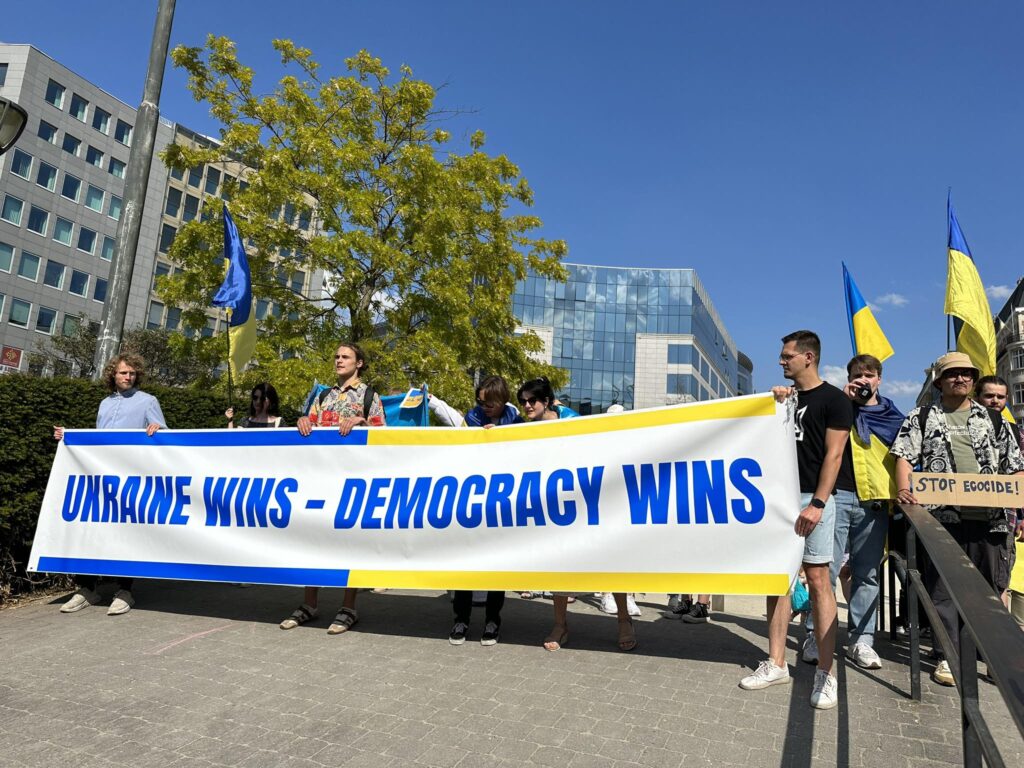
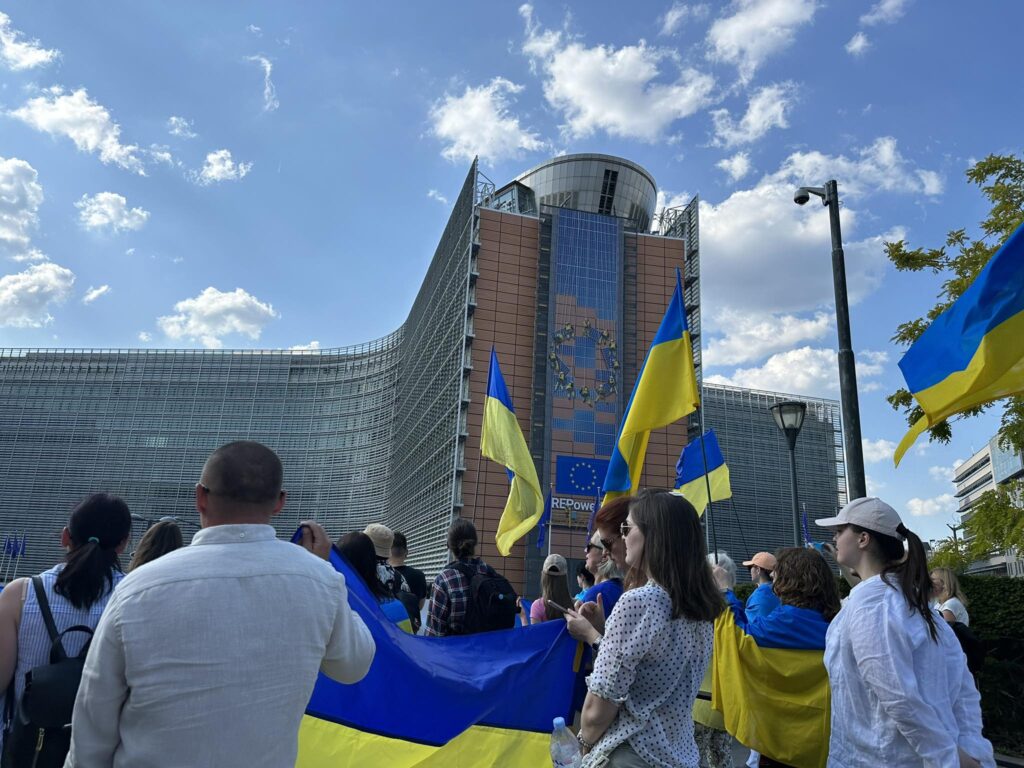
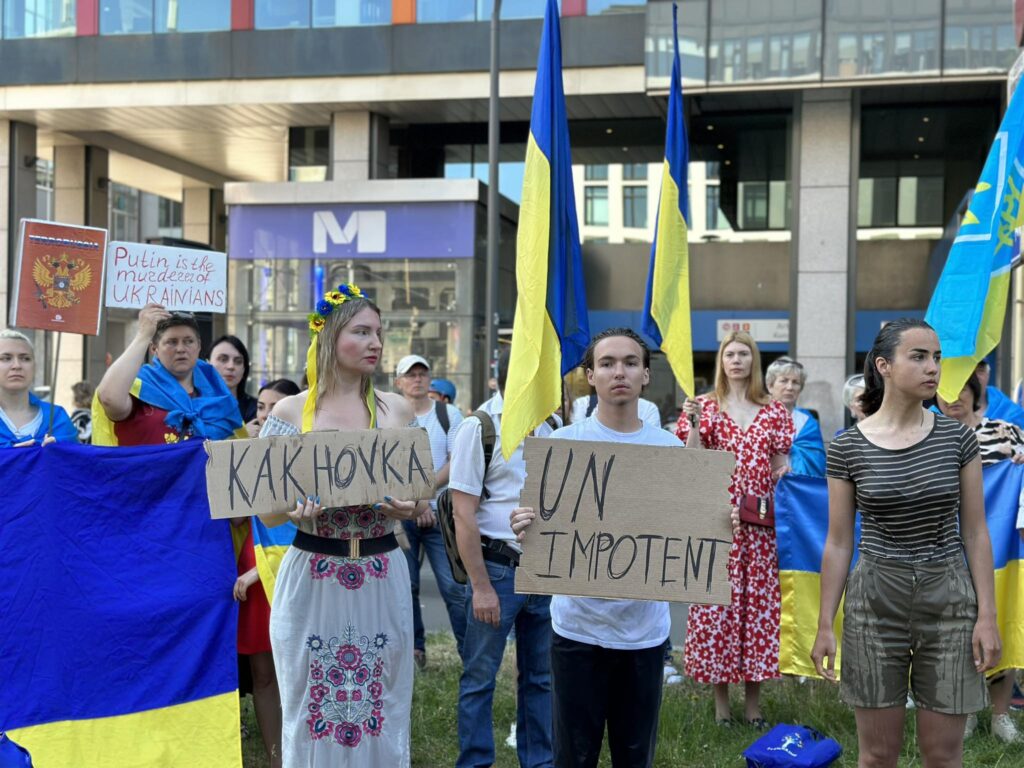
You had the opportunity to work in Vilnius during the days of the last NATO summit. At the same time, President Zelensky was also visiting the Lithuanian capital. What were your impressions of this event, were you disappointed or satisfied with the results?
I cannot say that I am disappointed. As a reporter at NATO headquarters, I was prepared for the fact that we would be “promised” NATO membership again, but there would be no word on when. Of course, as a political journalist, I understand why we were not invited. Personally, as a Ukrainian, I am hurt by this uncertainty. In general, this was obvious, as Jens Stoltenberg (NATO Secretary General – ed.) repeatedly stressed that there could be an invitation to join the Alliance, but after the Vilnius Summit. Nevertheless, Ukraine is now much closer to NATO membership than ever before.
Tell us a bit more about the activities of your international analysis department at Channel 24, where you work. What kind of people do you get to communicate with, and what kind of messages do you usually hear from them about the war in Ukraine?
The last time you interviewed the Estonian Defence Minister, I can imagine it must have been a cool experience. Maybe you remembered something from that interview.
I started working for Channel 24 in February this year. I am very happy to be working in a team of professionals who are at the forefront of information. I have already had the opportunity to talk to many politicians, MEPs, ministers, retired Western military officers and analysts as a Brussels-based correspondent and international analysis editor. What they all have in common is their enormous support for Ukraine. I am very happy to see that the whole world is still following the war closely, and there is no “fatigue” that you sometimes hear about. There is a common message from the European parliaments that Ukraine’s future is in the EU, but we really need to continue with reforms. All the speakers told me that joining the EU will take time. Ukrainians should be prepared for that. It will not happen in one, two, or even five years. Everything will depend on our internal changes and reforms.
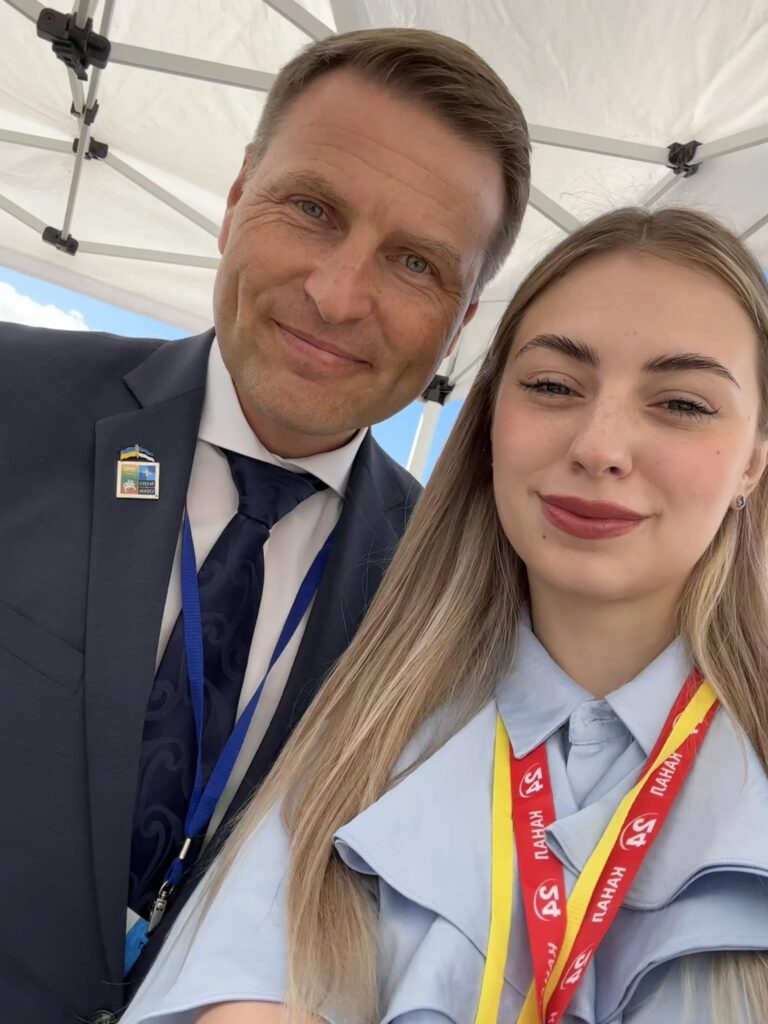
During the Vilnius Summit, I had the opportunity to talk to the Estonian Defence Minister, Hanno Pevkur. I came away from the meeting with nothing but positive impressions. In the EU and NATO, our Baltic friends are the most committed to Ukraine. They know from their own experience how the Russian army of invaders works. I am very grateful to Estonia and all the Baltic countries for their support.
What would you like to contribute in this very crucial period of Ukrainian history? What changes would you like to make in your community, team, audience, etc. to bring us closer to victory? How do you see your role as a Ukrainian journalist in this period of our history, your mission?
Working as a correspondent in Brussels, I hope to contribute to the future of Ukraine on the international stage. And I do this together with my colleagues who are also based in Brussels. In total, there are 6 Ukrainian journalists working there on a permanent basis. My job at the moment is to tell the international community that Russia is a terrorist state. That Ukraine must win, and that the world has no right to turn a blind eye to Russian crimes any longer. Questions at press conferences, interviews – all this should be done by Ukrainian journalists in the future. To keep Ukraine on the agenda. For the Ukrainian audience, I explain the processes that are taking place in NATO and the EU, write about what the future holds for us, that this accession process will not be easy. I believe that we will achieve victory and worthy recognition of Ukraine in the West.
Describe in a few words or sentences how you see our victory and Ukraine of the future after the war.
The return of territories, the trial of the Russians and the building of a new, even better Ukraine.
What do you consider your greatest achievement during the large-scale war? Of all the things you have achieved and done, what is the most valuable and significant for you?
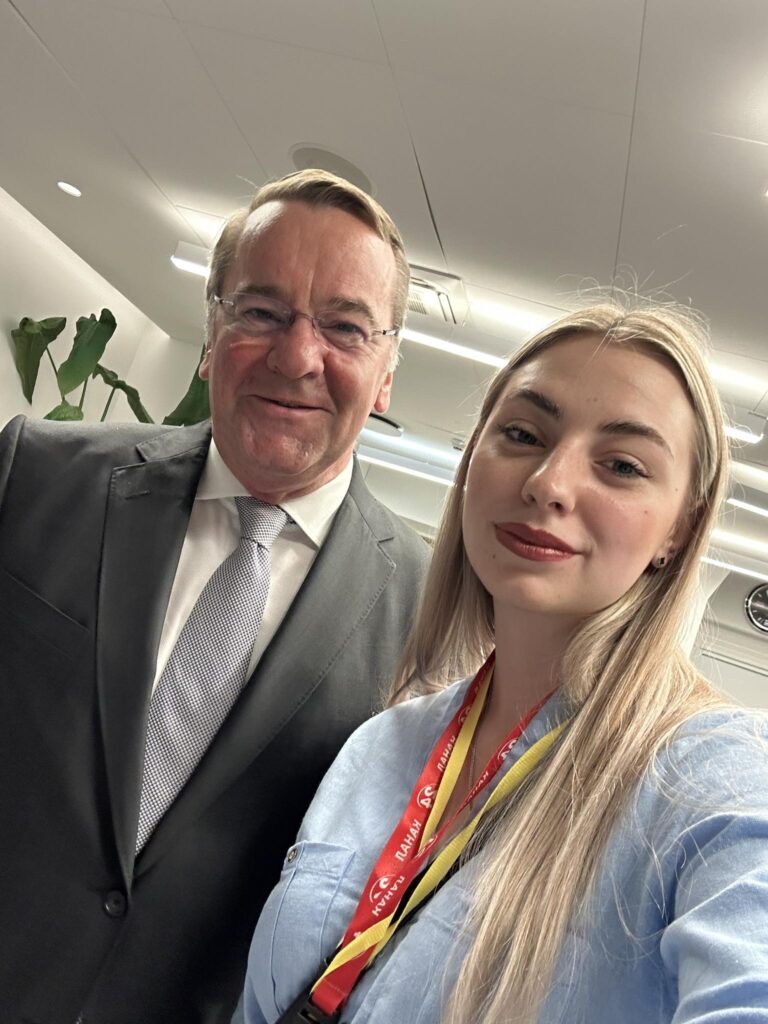
For me, my personal achievement is the transition from a regional journalist to a correspondent in Brussels. In Brussels, new opportunities have opened up, and I can talk to very interesting and important speakers. For example, I recorded an interview with the German Defence Minister Borys Pistorius during the Vilnius summit. According to his press secretary, it was the first time that the minister had given an interview to the Ukrainian media. I think a Ukrainian journalist is the best person to ask questions about Ukraine and what Ukrainians are most concerned about. So this is also a small achievement on my part.
What is the most memorable thing you remember from this period after 24 February 2022? Some kind of memory, maybe a meeting, a conversation.
Since the full invasion began, the most memorable days have been when our Army made significant progress at the front. On a personal note, I cherish the time spent with my family. My family is currently in Ukraine and I cannot go home every month. That’s why I always remember those days with my family with special warmth.
Translator: Ivan Chepaykin


