Currently, Ukraine is experiencing large-scale historical changes, which will be remembered for many years to come as a struggle for the moral values of the entire democratic world. Many people left their homes, changed their field of activity, views and environment.
One of them is the hero of today’s interview, Borys Cherkas – doctor of historical sciences, professor, leading researcher of the Institute of History of Ukraine of the National Academy of Sciences of Ukraine, researcher of the history of the Black Sea region and the steppe of the Middle Ages. But now, in the conditions of a “hot war”, he is the commander of an infantry company of the Armed Forces.
As part of the “Life and War: 10 Ukrainians – 10 Stories” project, which is being conducted by… Borys Cherkas shared his own experience and the story of his personal journey from a doctor of historical sciences to the commander of an infantry company.
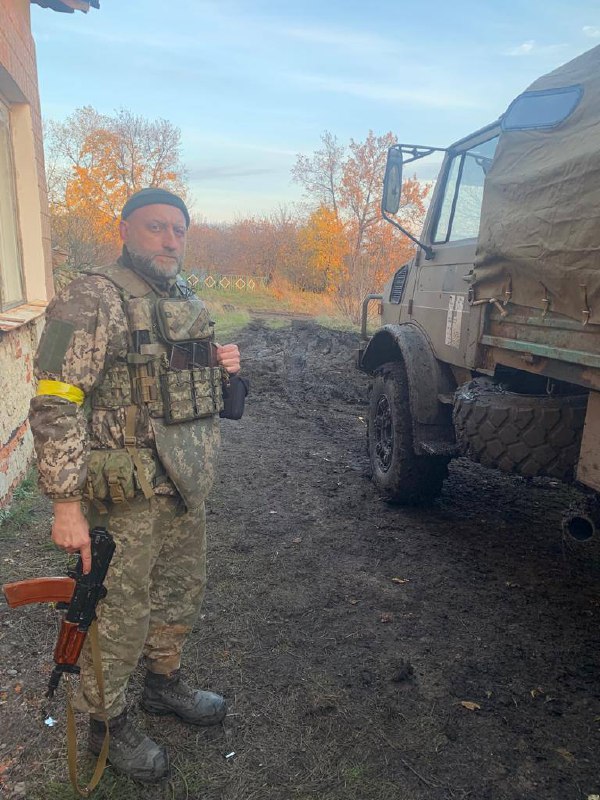
(Photo: Borys Cherkas, from personal archive)
– Mr. Boris! I want to address you with the first simple question: where are you now and what are your duties?
– I am currently acting as a company commander, I received the rank of officer after being a sergeant for a whole year. And until recently I fought near Bakhmut, a few weeks ago our unit was taken out for rest, so now we are in the Kyiv area. While we rest, as they say in our country, we recover, receive treatment, go on vacation, pick up weapons etc.
– Not long ago you were a professor who had a quiet academic life, and today you are the commander of a rifle company. Please tell me when you first decided to radically change your life and set out to defend your country?
– Until 2014, I considered myself a completely peaceful person and saw that the world was moving towards peace, at least in Europe. But, the morning of February 24, 2022 when explosions broke out, I understood that a great open war had begun. I gathered my things and went to the part of the territorial defense to which I was assigned, and there I became a soldier.
– If we have already started talking about military affairs, then I have a question: what was your first battle? What did you feel and how did it all happen?
– Thank you! This is an interesting question! Because everyone who joins the army asks about it. I did not take the first battle near Kiev. We were transferred to the defense of Kharkiv. Since I was a historian who also had experience studying a lot about military history, where books are written about events like these happening unexpectedly. As it was in my case: we thought that the enemy would approach us. The night they came we were ready and saw thaw using night vision devices, and in that moment a question arises, “What do we do?” That’s when we opened fire, and they tried to surround us, and I came to the realization that it was none other than a Russian attack. Then in 4 days we repelled 12 assaults. After that, there were no doubts, they just did their job. I felt calm.
– Your life, like the life of most Ukrainians after the start of the full-scale invasion, was divided into “before” and “after”, maybe you can share some life creeds, principles that appeared due to the start of military activity?
– Certain changes have taken place, first, I began to defend issues of justice more strongly. Before this war, I was able to turn a blind eye to many things, but now it is simply impossible. When I see injustice, I immediately try to defend it. Second, I realized the importance of history even more, a lot has been written in history, and there is even a famous saying: “When someone says for a long time that he wants to kill you – believe him.” I have become more categorical, more intolerant of injustice, I have become more serious and aware about the issues of the people and their lives, especially my soldiers whom I command.
– Can you say what was the most amazing thing about this war? As a historical expert, a specialist in history, is there anything in this war that distinguishes it from others?
– The most amazing thing that I saw in this war was the relationship between the people, the way complete strangers joined together in a certain unit: a company, a platoon, or a battalion. I saw how people who were strangers and quite possibly not even friendly could be completely different in character. How they save each other and protect each other in battle. Unfortunately, I have had many such experiences this year. Another amazing aspect I’ve discovered turned out to be such forces awakening within us and how big of a resource it could be, these such forces are able to withstand such colossal loads As for the uniqueness: in every war there will always be something that sets it apart from others, but historians will record this war as being on of the most senseless for actions taken by the aggressor. Instead of building towards new things, they are just taking stamped tanks and attacking their neighbors for no clear reason. As a historian, I am able to understand these reasons, but in general, if we look, there are no reasons for such actions. And thus the senselessness of this attack will be further explored and analyzed by historians in the future. The second point is the brutality with which this war is being waged by the Russian Federation. How cities are going through mass destruction, the local population is depleting, how rape is being committed so freely, and how women, children, or even animals matter to them. All of these things will be studied and researched later on by historians.
– Recently, an American publication released information about Russia’s repeated attack on Chernihiv Oblast and Sumy Oblast. Please tell me if we have enough defense power to hold back the enemy. Is it simply to create a panic atmosphere so that Western partners will provide more weapons?
– First of all, there is a war and an attack can happen anywhere, especially where you don’t expect it. The enemy can attack from different sides: both those you mentioned, as well as the repeated attack from Belarus. Second, it is obvious that Russia does not think of stopping and will advance in any case. I recently returned from Bakhmut, and every day there was a new attack. They act mostly according to the tactics of the Soviet army. I, as a historian, have observed this. As for my unit, we are constantly preparing, training, and receiving weapons, so that wherever the attack is we can be ready for it.
– What was the hardest thing you saw on the battlefield?
– The cruelest thing I’ve seen on the field would have to be witnessing the bodies of mutilated comrades, and overall just being a witness to so much death. You go from seeing them alive, to then having to pull out bodies without arms or legs. All this is difficult, and something you can never get used to. It is even harder to see crippled civilians without any weapons having their buildings destroyed and being killed by the merciless Russians.
– If Obama reacted to what Russia did in 2014, would it have gone that far?
– As for the time when Obama was in office, I am sure that if in 2014, America had reacted harshly and shown that it would not allow the conflict to escalate, no, there would not have been a full-scale invasion.
– In April 2022, the Supreme Court ruled that Ukrainians can sue Russia for damage caused to them during the war. What do you think, will this innovation help civilians?
– In this war, I understood the main rule: truth is above the law, and justice is above the truth. We must understand one thing, war is happening and it is cruel and unjust, and Russia is destroying human property. Every victim has at least the right to compensation for his property from the aggressor. I think that International Law should function based on the situation. But we will see what legal normalities Russia will try to cover up, because all aggressors want to find justification for their actions in order to avoid responsibility.
– There is information that Russian volunteers are fighting on the side of the Armed Forces. Their main argument is that they are against Putin’s government. How do you feel about this?
– If there are volunteers from Russia and they are fighting for Ukraine,of course it’s good, but I have not seen it personally. The main cause of this war lies not in Putin himself, but primarily in the people. Citizens of Russia should remember for the rest of their lives that Ukrainians are a separate people, and Ukraine is a separate, sovereign state. It is only after this realization that war can be avoided in the future.
– Do you think it is necessary to preserve the Autonomous Republic of Crimea after the victory of Ukraine?
– I believe that historical justice must be restored on the Crimean peninsula. My opinion is clear and unchanging: the Crimean Tatars have the right to their territory and power. Perhaps it will be autonomy, perhaps a “state within a state” as in Monaco, Italy (Vatican City). Which of these Ukrainian territories will be recognized first by international law – we will see very soon.
– As a historian, did you find any archaeological finds at the front?
– We found an element of medieval weapons in the steppes, which I plan to transfer to the museum.
– How exactly did you get the rank of officer? Does your unit have weapons transferred from our western partners?
– On the eve of a full-scale invasion, I enrolled in officer training courses and completed them during the war. They saw me as a candidate for management and started to appoint me in certain positions, and only recently did I receive the rank of officer. As for weapons, they are actively arriving. I cannot reveal the details in general, but I will say one thing, counting the latest arrivals of weapons, we feel the support of our partners very much.
– What can students from other countries do to help Ukraine?
– First of all, everyone who lives in another country should spread information about Russia’s illegal actions on the territory of Ukraine, in order to prevent similar actions on their land. I would also advise you to raise the issue of the development of the military in your country, the creation of allied military blocs against such manifestations of aggression, and as for direct aid, there are different funds.
– Is there reliable information that people from other countries can rely on in order not to fall under the influence of Russian propaganda?
– Regarding propaganda, this is the most difficult issue. Why? Because Russian propaganda is powerful, millions if not tens of millions are spent for its successful development, and while it is difficult, it is possible to oppose it. In order to do this, you must independently bring any information to critical thinking and constantly analyze. And the main thing is to ask yourself the question: “Who is the aggressor?” Whose tanks entered another territory?” and form your own opinion from these answers.
– What is the current situation at the front line? In your opinion, what is the current situation of Ukraine?
– The situation at the front is difficult, but under control. Russia recovered from the defeat at the end of summer – beginning of autumn not without the help of mobilized criminals released from the zones (it was them I encountered in battle), increased their military potential and went forward with another attack. They took many weapons from warehouses and from their allies (North Korea, Belarus). Now Russia has gone on the offensive in many directions, and it has made it difficult for us to the point we have to retreat. But, first of all, the weapons that the West gives us are technologically better, which gives us an advantage. And secondly, the moral and willpower qualities of the Ukrainian soldier are very high, because we are defending our Motherland, and our soldiers stand to the end, inflicting losses on the enemy. Today we will be able to stop this offensive as well, but only if our allies continue to supply us with weapons. It is then we will be able to go on a counteroffensive to liberate our territories with the least losses, which is no less important.
– As a historian who observes the genocide against the Ukrainian people, do you feel an obligation to play a role in preserving Ukrainian culture?
– Yes, I believe that every serviceman, every soldier of the Armed Forces of Ukraine automatically protects our culture. Even from history, we remember how 100 years ago Russian communists conquered Ukraine and shot all historians, cultural figures, poets, and destroyed all Ukrainian theaters. Now we won’t let it happen. We will defend our country and win.
– Don’t you miss scientific work?
– I miss my scientific work at the NAS (National Academy of Sciences), and I also miss the children I taught at school.
– When the full-scale invasion began, many countries introduced various embargoes and sanctions against Russia. Do you think they are effective?
– They do help, but only partially, so I do not consider these sanctions to be fully effective. The day Russia is not able to wage war, will be the time they become effective.
– How do you see your future after the victory of Ukraine, do you have any plans?
– Of course, you always plan to return and do what you did before. For me, this is science, educational activity. But, we don’t ask such questions during war, making such plans is a futile business.
– How to move forward and where to get motivation? You are a commander, how do you help your soldiers move forward?
– First, the idea helps. We don’t just fight, we protect our families, home, and memories. Secondly, it doesn’t matter who we were before the war, what profession we worked in or what level of wealth we had, we must think exclusively about victory and how to do the job correctly so that we win and stay alive. I find such words motivating.
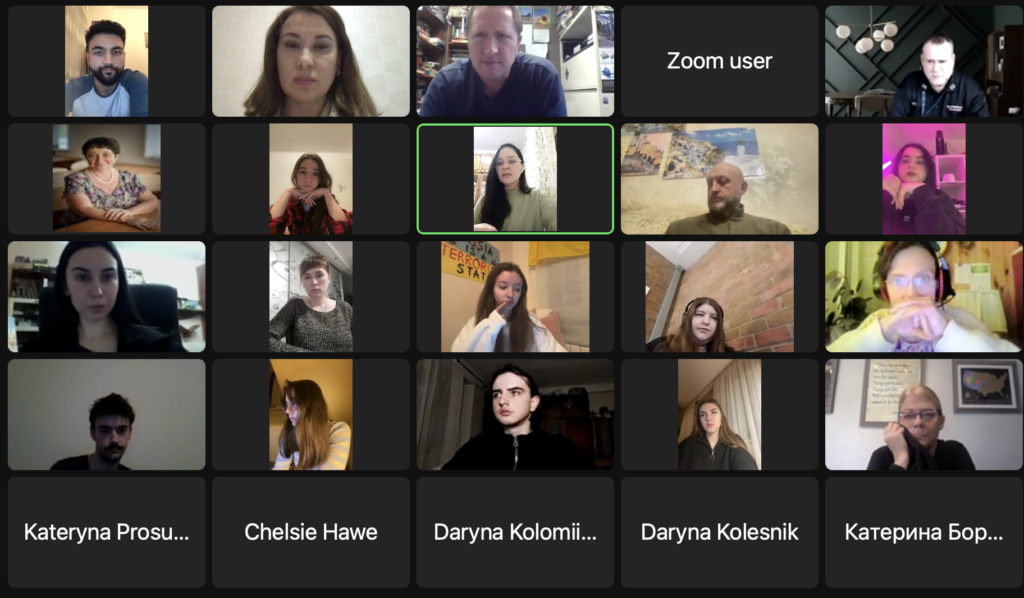
(Screenshot: from Google meet)
Turkish version
Şu anda Ukrayna, demokratik dünyanın ahlaki değerleri için mücadelesinde uzun yıllar hatırlanacak, büyük ölçekli tarihsel değişimler yaşıyor. Birçok insan evlerini terk etti, çalışma alanlarını, görüşlerini ve çevrelerini değiştirdiler. Bunlardan biri bugünkü röportajın kahramanı, tarihi bilimler doktoru, profesör, Tarih Enstitüsü’nün önde gelen araştırmacısı Borys Cherkas. Ukrayna Ulusal Bilimler Akademisi’nde Ukrayna, Karadeniz bölgesinin tarihi ve Orta Çağ araştırmacısı.
Ancak şimdi, “sıcak savaş” koşullarında Silahlı Kuvvetlerin piyade bölüğü komutanı.
“Yaşam ve Savaş: 10 Ukraynalı – 10 Hikaye” projesi kapsamında. Borys Cherkas kendi deneyimlerini ve bir tarih bilimleri doktorundan bir piyade bölüğünün komutanı olma yolculuğunun öyküsünü anlattı.
(Fotoğraf: Borys Cherkas, kişisel arşivden)
– Bay Boris! İlk basit soruyla başlamak istiyorum: Şimdi neredesin ve görevlerin neler?
– Şu anda bölük komutanı olarak görev yapmaktayım, rütbe aldım. Bir yıl astsubay olduktan sonra subay oldum. Ve yakın zamana kadar Bakhmut yakınlarında savaştım, birkaç hafta önce birimimiz dinlenmeye çekildi, yani şimdi Kiev bölgesindeyiz. Dinlenirken, bizim ülkemizde dedikleri gibi, iyileşiriz, tedavi oluruz, tatile gideriz, silahları alırız.
– Kısa bir süre önce sakin bir akademik hayatı olan bir profesördünüz ve bugün bir tüfek bölüğünün komutanısın. Hayatını kökten değiştirmeye ülkeni savunmak için mi karar verdin?
– 2014 yılına kadar kendimi tamamen barışçıl bir insan olarak görüyordum ve dünyanın en azından Avrupa’da barışa doğru ilerlediğini gördüm. Ancak, 24 Şubat 2022 sabahı patlamaların olduğu büyük bir açık savaşın başladığını anladım. Eşyalarımı topladım ve bölge savunmasının bana atanan kısmına gittim ve orada asker oldum.
– Zaten askeri meseleler hakkında konuşmaya başladıysak, o zaman ben bir sorum var: İlk savaşınız hangisiydi? Ne hissettin ve tüm bunlar nasıl oldu?
– Teşekkür ederim! Bu ilginç bir soru! Çünkü herkes kim orduya katılsa bunu sorar. Kiev yakınlarındaki ilk savaşa girmedim. Kharkiv savunmasına transfer olduk. Askeri tarih hakkında çok çalışma deneyimi olan tarihçiyim. Düşmanın bize yaklaşacağını düşündük. Geldikleri gece biz hazırdık ve gece görüşünü kullanarak hareketlenmeyi gördük. “Ne yapacağız?” dedik kendi kendimize. İşte o zaman ateş açtık, bizi çevrelemeye çalıştılar ve bunun bir Rus saldırısından olduğunun farkına vardım. Daha sonra 4 gün 12 saldırıyı püskürttük. Bundan sonra şüphe yoktu, onlar sadece işlerini yaptılar. Sakin hissettim.
Sizin hayatınız, tam ölçekli işgalin başlamasından sonra çoğu Ukraynalının hayatı gibi, “önce” ve “sonra” olarak ikiye ayrıldı, belki bazı yaşam inançlarını, askeri faaliyetin başlaması nedeniyle ortaya çıkan ilkeleri paylaşabilirsiniz?
– Bazı değişiklikler oldu, önce adalet konularını daha güçlü savunmaya başladım. Bu savaştan önce birçok şeye göz yumabiliyordum ama şimdi bu kesinlikle imkansız. Bir adaletsizlik gördüğümde hemen onu savunmaya çalışırım. İkincisi, tarihin önemini daha da anladım, tarihte çok şey yazıldı ve hatta ünlü bir söz var: “Uzun süre biri seni öldürmek istediğini söylediğinde – ona inan.” Daha kategorik oldum, adaletsizliğe karşı daha tahammülsüz oldum, insanların ve onların hayatlarının, özellikle de komuta ettiğim askerlerimin meselelerinde daha ciddi ve bilinçli oldum.
– Bu savaşla ilgili en harika şey neydi söyleyebilir misiniz? Tarih uzmanı, tarih uzmanı olarak, bu savaşta onu diğerlerinden ayıran bir şey var mı?
– Bu savaşta gördüğüm en şaşırtıcı şey, insanlar arasındaki ilişki, tamamen yabancıların belirli bir birimde bir araya gelme şekliydi: bir şirket, bir müfreze veya bir tabur. Yabancı olan ve muhtemelen arkadaş canlısı bile olmayan insanların karakter olarak nasıl tamamen farklı olabileceğini gördüm. Birbirlerini nasıl kurtarıyorlar ve savaşta birbirlerini nasıl koruyorlar. Ne yazık ki, bu yıl buna benzer birçok deneyim yaşadım. Keşfettiğim bir başka şaşırtıcı özellik, içimizde bu tür güçlerin uyanması ve bunun ne kadar büyük bir kaynak olabileceği, bu tür güçlerin bu tür devasa yüklere dayanabilmesi oldu. Eşsizliğe gelince: her savaşta onu diğerlerinden ayıran bir şey her zaman olacaktır, ancak tarihçiler bu savaşı saldırganın yaptığı en anlamsız eylemlerden biri olarak kaydedeceklerdir. Yeni şeyler inşa etmek yerine, damgalı tankları alıyorlar ve hiçbir sebep yokken komşularına saldırıyorlar. Bir tarihçi olarak bu nedenleri anlayabiliyorum ama genel olarak bakarsak bu tür eylemlerin hiçbir nedeni yok. Ve böylece bu saldırının anlamsızlığı gelecekte tarihçiler tarafından daha fazla araştırılacak ve analiz edilecektir. İkinci nokta, Rusya Federasyonu tarafından yürütülen bu savaşın vahşetidir. Şehirler nasıl kitlesel yıkımdan geçiyor, yerel nüfus nasıl tükeniyor, tecavüz nasıl bu kadar özgürce işleniyor ve kadınlar, çocuklar ve hatta hayvanlar onlar için nasıl önemli. Bütün bunlar daha sonra tarihçiler tarafından incelenecek ve araştırılacaktır.
– Geçenlerde bir Amerikan yayını hakkında bilgi yayınladı. Rusya’nın Chernihiv Oblast ve Sumy Oblast’a tekrarlanan saldırısı. Lütfen bana düşmanı durdurmak için yeterli savunma gücümüz olup olmadığını söyleyin.
– Öncelikle bir savaş var ve her yerde bir saldırı olabilir, özellikle beklemediğiniz yerde. Düşman farklı yönlerden saldırabilir: hem bahsettiğiniz hem de Beyaz Rusya’dan tekrarlanan saldırı. İkincisi, Rusya’nın durmayı düşünmediği ve her halükarda ilerleyeceği açıktır. Geçenlerde Bakhmut’tan döndüm ve her gün yeni bir saldırı oldu. Çoğunlukla Sovyet ordusunun taktiklerine göre hareket ederler. Ben bir tarihçi olarak bunu gözlemledim. Birliğime gelince, sürekli olarak silah hazırlıyor, eğitiyor ve alıyoruz, böylece saldırı nerede olursa olsun ona hazır olabilelim.
– Savaş alanında gördüğünüz en zor şey neydi?
– Sahada gördüğüm en acımasız şey, parçalanmış yoldaşların bedenlerine tanık olmak ve genel olarak bu kadar çok ölüme tanık olmaktı. Onları canlı gördükten sonra kolları veya bacakları olmayan cesetlerini çıkarmak zorunda kalmaya gidiyorsunuz. Bütün bunlar zor ve asla alışamayacağınız bir şey. Hiç silahı olmayan sakat sivillerin acımasız Ruslar tarafından binalarının yıkıldığını ve öldürüldüğünü görmek daha da zor.
– Obama, Rusya’nın 2014’te yaptıklarına tepki gösterseydi Putin bu kadar ileri gider miydi?
– Obama’nın görevde olduğu döneme gelince, eminim ki 2014’te Amerika sert tepki gösterseydi ve çatışmanın tırmanmasına izin vermeyeceğini gösterseydi, hayır, tam ölçekli bir işgal olmazdı.
– Nisan 2022’de Yüksek Mahkeme, Ukraynalıların savaş sırasında kendilerine verdikleri zarar için Rusya’yı dava edebileceklerine karar verdi. Sizce bu yenilik sivillere yardımcı olacak mı?
– Bu savaşta ana kuralı anladım: gerçek kanunun üzerindedir ve adalet gerçeğin üzerindedir. Bir şeyi anlamalıyız, savaş oluyor ve bu acımasız ve adaletsiz ve Rusya insan mülkiyetini yok ediyor. Her mağdurun en azından mülkü için saldırgandan tazminat alma hakkı vardır. Uluslararası Hukukun duruma göre işlemesi gerektiğini düşünüyorum. Ancak Rusya’nın hangi yasal normallikleri örtbas etmeye çalışacağını göreceğiz, çünkü tüm saldırganlar sorumluluktan kaçmak için eylemlerine gerekçe bulmak istiyor.
– Rus gönüllülerin Silahlı Kuvvetler safında savaştığı bilgisi var. Ana argümanları, Putin hükümetine karşı olmaları. Bunun hakkında ne hissediyorsun?
– Rusya’dan gönüllüler varsa ve Ukrayna için savaşıyorlarsa, elbette iyi ama ben şahsen görmedim. Bu savaşın ana nedeni Putin’in kendisinde değil, öncelikle halkta yatıyor. Rusya vatandaşları, hayatlarının geri kalanında Ukraynalıların ayrı bir halk olduğunu ve Ukrayna’nın ayrı, egemen bir devlet olduğunu hatırlamalıdır. Ancak bu farkındalıktan sonra gelecekte savaştan kaçınılabilir.
– Ukrayna’nın zaferinden sonra Kırım Özerk Cumhuriyeti’ni korumanın gerekli olduğunu düşünüyor musunuz?
– Kırım yarımadasında tarihi adaletin yeniden tesis edilmesi gerektiğine inanıyorum. Benim görüşüm açık ve değişmez: Kırım Tatarlarının toprakları ve güçleri üzerinde hakları vardır. Belki özerklik olacak, belki İtalya’nın Monako kentinde (Vatikan Şehri) olduğu gibi “devlet içinde devlet” olacak. Bu Ukrayna topraklarından hangisi önce uluslararası hukuk tarafından tanınacak – çok yakında göreceğiz.
– Bir tarihçi olarak cephede herhangi bir arkeolojik buluntu buldunuz mu?
– Bozkırda müzeye aktarmayı planladığım bir ortaçağ silah unsuru bulduk.
– Subay rütbesini tam olarak nasıl aldınız? Biriminizde batılı ortaklarımızdan aktarılan silahlar var mı?
– Geniş çaplı bir işgalin arifesinde, subay yetiştirme kurslarına kaydoldum ve savaş sırasında onları tamamladım. Beni yönetici adayı olarak görüp belli pozisyonlara atamaya başladılar ve son zamanlarda subay rütbesini alabildim. Silahlara gelince, aktif olarak geliyorlar. Detayları genel olarak açıklayamam ama bir şey söyleyeceğim, son gelen silahları sayarsak, ortaklarımızın desteğini çok hissediyoruz.
– Diğer ülkelerden öğrenciler Ukrayna’ya yardım etmek için ne yapabilir?
– Her şeyden önce, başka bir ülkede yaşayan herkes, kendi topraklarında benzer eylemlerin önlenmesi için Rusya’nın Ukrayna topraklarındaki yasa dışı eylemleri hakkında bilgi yaymalıdır. Ayrıca, ülkenizdeki ordunun gelişmesi, bu tür saldırganlık tezahürlerine karşı müttefik askeri blokların oluşturulması konusunu gündeme getirmenizi tavsiye ederim ve doğrudan yardıma gelince, farklı fonlar var.
– Diğer ülkelerden insanların Rus propagandasının etkisi altına girmemek için güvenebilecekleri güvenilir bilgiler var mı?
– Propaganda ile ilgili olarak, bu en zor konudur. Neden Rus propagandası güçlü olduğu için, başarılı bir şekilde geliştirilmesi için on milyonlarca değilse bile milyonlarca dolar harcanıyor ve zor olsa da buna karşı çıkmak mümkün. Bunu yapmak için, herhangi bir bilgiyi bağımsız olarak eleştirel düşünmeye getirmeli ve sürekli analiz etmelisiniz. Ve asıl mesele, kendinize şu soruyu sormaktır: “Saldırgan kim?” Kimin tankları başka bir bölgeye girdi?” ve bu cevaplardan kendi fikrinizi oluşturun.
– Cephe hattındaki durum nedir? Sizce Ukrayna’nın şu anki durumu nedir?
– Cephede durum zor ama kontrol altında. Rusya, yaz sonunda yenilgiden kurtuldu. Sonbaharın başında, bölgelerden serbest bırakılan seferber edilmiş suçluların (savaşta karşılaştığım onlardı), askeri potansiyellerini artırdı ve başka bir saldırı ile ilerledi. Depolardan ve müttefiklerinden (Kuzey Kore, Beyaz Rusya) birçok silah aldılar. Şimdi Rusya birçok yönden saldırıya geçti ve geri çekilmemiz gereken noktaya gelmemizi zorlaştırdı. Ama her şeyden önce Batı’nın bize verdiği silahlar teknolojik olarak daha iyi, bu da bize avantaj sağlıyor. İkincisi, Ukraynalı askerin ahlaki ve irade nitelikleri çok yüksektir, çünkü biz Anavatanımızı savunuyoruz ve askerlerimiz sonuna kadar durarak düşmana kayıplar veriyor. Bugün bu saldırıyı da durdurabileceğiz, ancak bunun için müttefiklerimizin bize silah sağlamaya devam etmesi gerekiyor. O zaman topraklarımızı en az kayıpla kurtarmak için karşı saldırıya geçebileceğiz ki bu da daha az önemli değil.
-Ukrayna halkına karşı yapılan soykırımı gözlemleyen bir tarihçi olarak Ukrayna kültürünün korunmasında rol oynama zorunluluğu hissediyor musunuz?
– Evet, Ukrayna Silahlı Kuvvetlerinin her askerinin, her askerinin otomatik olarak kültürümüzü koruduğuna inanıyorum. Tarihten bile, 100 yıl önce Rus komünistlerinin Ukrayna’yı nasıl fethettiğini ve tüm tarihçileri, kültürel figürleri, şairleri nasıl kurşuna dizdiğini ve tüm Ukrayna tiyatrolarını nasıl yok ettiğini hatırlıyoruz. Şimdi buna izin vermeyeceğiz. Vatanımızı savunacağız ve kazanacağız.
– Bilimsel çalışmaları özlemiyor musunuz?
– NAS’taki (Ulusal Bilimler Akademisi) bilimsel çalışmalarımı ve okulda öğrettiğim çocukları da özlüyorum.
– Topyekun işgal başlayınca birçok ülke Rusya’ya karşı çeşitli ambargolar ve yaptırımlar uygulamaya başladı. Etkili olduklarını düşünüyor musunuz?
– Yardımcı oluyorlar ama sadece kısmen, bu yüzden bu yaptırımların tamamen etkili olduğunu düşünmüyorum. Rusya’nın savaş açamadığı gün, etkili olacakları gün olacaktır.
– Ukrayna zaferinden sonra geleceğini nasıl görüyorsun? Herhangi bir planın var mı?
– Tabii ki, her zaman geri dönmeyi ve daha önce yaptığınız şeyi yapmayı planlıyorsunuz. Benim için bu bilim, eğitim faaliyeti. Ama savaş sırasında böyle sorular sormayız, böyle planlar yapmak beyhude bir iştir.
– Nasıl ilerlenir ve motivasyon nereden alınır? Bir komutansınız, askerlerinizin ilerlemesine nasıl yardımcı olursunuz?
– İlk olarak, fikir yardımcı olur. Sadece kavga etmiyoruz, ailelerimizi, evimizi ve hatıralarımızı koruyoruz. İkincisi, savaştan önce kim olduğumuz, hangi meslekte çalıştığımız veya hangi düzeyde zenginliğe sahip olduğumuz önemli değil, sadece zaferi ve işi nasıl doğru yapacağımızı düşünmeliyiz ki kazanalım ve hayatta kalalım. Bu tür sözleri motive edici buluyorum.
(Ekran görüntüsü: Google Meet’ten)


